


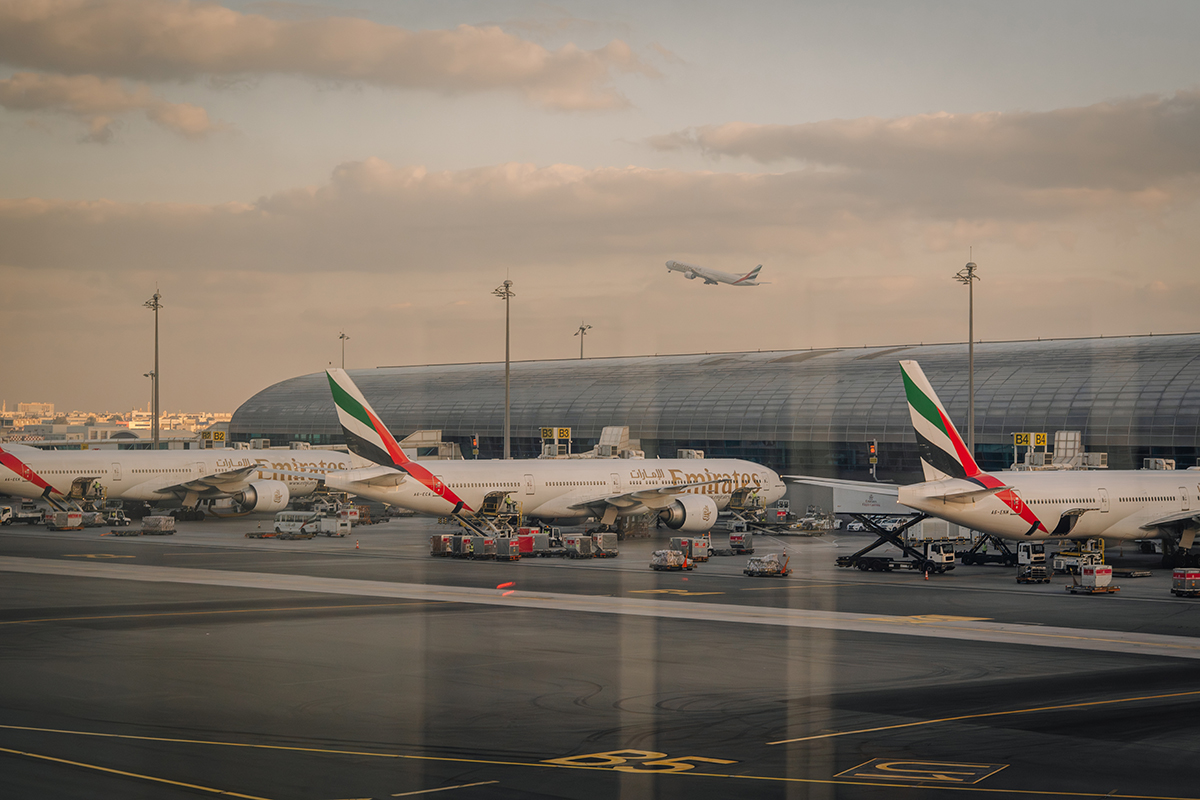
UAE Airport Flight Delays affected thousands of travelers as major airports across the country experienced widespread disruptions. Flight monitoring data showed 405 delayed flights and 32 cancellations across Dubai, Abu Dhabi, and Sharjah, creating longer wait times and changes to travel schedules.
The disruptions were recorded on July 25, with airline operations adjusting to manage delays across both regional and international routes. While airport operations continued, many passengers experienced schedule changes, especially those connecting through the UAE’s busiest aviation hubs.
Dubai International Airport recorded the largest number of disruptions during the reporting period. The airport handled 189 delayed flights and 14 cancellations, making it the most affected airport in the country.
Airline-level operational records also showed 194 delayed flights and 13 cancellations connected to services operating through Dubai. The slight variation reflects differences in reporting methods and flight tracking systems.
Emirates recorded the highest number of delayed flights at Dubai International Airport. The airline reported 80 delayed departures and arrivals, highlighting the impact on one of the world’s busiest international carriers.
FlyDubai also experienced significant operational challenges. The airline reported 58 delayed flights and 11 cancellations, accounting for the highest number of cancellations among airlines operating at the airport.
Several other international airlines also reported delays as operations slowed throughout the day. SpiceJet recorded 13 delayed flights, while Saudia reported eight delays and one cancellation.
Other carriers experiencing delays included Turkish Airlines, Ethiopian Airlines, and Air India Express, with three delayed flights each.
Additional airlines, including IndiGo, Aeroflot, Pegasus Airlines, Regent Airways, and Fly Cham, each reported two delayed flights during the reporting period.
Several airlines recorded a single delayed flight. These included SriLankan Airlines, Biman Bangladesh Airlines, Cyprus Airways, flyadeal, Gulf Air, Flynas, Middle East Airlines, Royal Jordanian, Air Sial, Somon Air, SunExpress, and Uzbekistan Airways.
Although Dubai recorded the highest number of disruptions, delays and cancellations were also reported at Abu Dhabi and Sharjah airports. Together, the three airports accounted for the total of 405 delays and 32 cancellations, affecting domestic, regional, and long-haul services.
The operational changes impacted both short-haul and international flights. Travelers using the UAE as a connecting point experienced longer transit times as airlines adjusted schedules to keep operations moving.
Despite the disruptions, airport authorities and airlines continued to process arriving and departing flights throughout the day. Many delayed services eventually departed after revised boarding times, helping reduce congestion as operations progressed.
Travel experts advise passengers to monitor flight information regularly during periods of operational disruption. Airline mobile apps, airport information screens, and official flight status services provide the latest updates on departure times and gate changes.
Passengers are also encouraged to arrive at the airport early when delays affect multiple flights. Extra time can help travelers complete check-in, security screening, and boarding without additional stress if schedules change.
Those with connecting flights should stay in contact with their airline, as carriers often provide updated itineraries when delays affect onward travel. Many airlines also offer automatic notifications through mobile applications and email alerts.
Travelers whose flights are delayed for extended periods may qualify for assistance depending on the airline’s policy and the route involved. Support can include meal vouchers, hotel accommodation for overnight disruptions, or rebooking on the next available flight. Eligibility varies based on ticket conditions and applicable passenger rights.
The UAE remains one of the world’s busiest aviation centers, serving millions of passengers each year through its international airports. High traffic volumes mean airlines and airports regularly coordinate to manage operational challenges while maintaining safety and service standards.
The latest figures highlight the scale of the recent disruption across the country’s aviation network. With 405 delayed flights and 32 cancellations, airlines continue working to restore normal schedules and minimize further disruption for passengers traveling through Dubai, Abu Dhabi, and Sharjah.

