


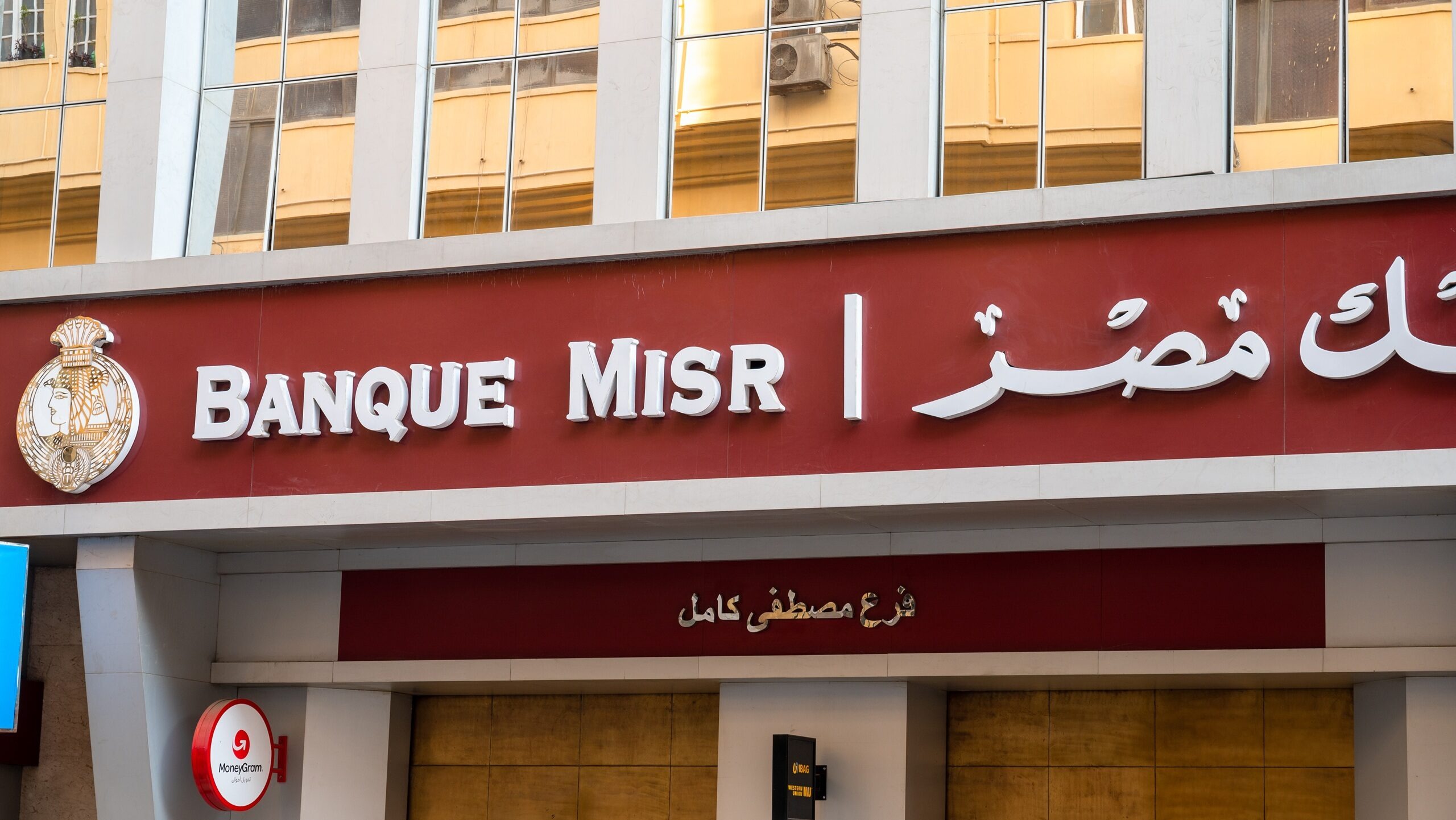
The United States Treasury Department has proposed new restrictions on Banque Misr UAE, accusing the bank’s operations in the United Arab Emirates of processing transactions connected to companies linked to Iranian shadow-banking networks.
The move could significantly limit the bank’s access to the US financial system if the proposal becomes final. However, the action does not amount to sanctions against Banque Misr or its parent institution in Egypt.
The proposal was issued by the Financial Crimes Enforcement Network, commonly known as FinCEN. The agency announced a Notice of Proposed Rulemaking under Section 311 of the USA PATRIOT Act, a legal tool used to address concerns related to money laundering and illicit financial activity.
If approved, the measure would prohibit US financial institutions from opening or maintaining correspondent banking accounts for Banque Misr UAE. It would also require American banks to take steps to prevent indirect transactions involving the UAE operations of the bank.
The proposed restrictions apply only to Banque Misr UAE and do not affect Banque Misr’s banking activities in Egypt or other international markets. The UAE division operates through five branches located in Abu Dhabi, Dubai, Sharjah, and Ras Al Khaimah.
US officials allege that Banque Misr UAE handled a large volume of transactions involving companies believed to be connected to Iranian financial networks operating outside traditional banking channels.
According to FinCEN, the bank processed approximately $1.8 billion in transactions between January 2024 and June 2026 for 103 companies identified as possible front entities tied to Iranian shadow-banking operations. The agency said roughly $520 million of those transactions occurred during the most recent 12-month period reviewed by investigators.
FinCEN argues that the activity raises serious concerns about the potential use of the financial system to move funds linked to sanctioned networks. As a result, the agency has proposed formally identifying Banque Misr UAE as a foreign financial institution of “primary money laundering concern.”
That designation is one of the strongest findings available under Section 311. It allows US authorities to impose special measures aimed at protecting the American financial system from perceived risks.
Among those measures, the Treasury Department is seeking the most severe option available under the law. The proposal would effectively cut Banque Misr UAE off from correspondent banking relationships with US financial institutions.
Correspondent banking plays a vital role in international finance. These relationships allow banks in different countries to process cross-border payments, conduct trade transactions, and access global financial markets. Losing access to such services can create significant operational challenges for financial institutions.
Banque Misr said its UAE branches remain open and continue to operate normally while it reviews the allegations and works with regulatory authorities. The bank stated that it is assessing the findings presented by US officials and will cooperate with the relevant agencies.
The central banks of Egypt and the United Arab Emirates also addressed the matter in a joint statement. Both regulators said they are coordinating closely and monitoring developments surrounding the proposed action.
The statement added that the affected branches would take the necessary regulatory measures within the timeframe required by authorities. Officials emphasized their commitment to maintaining financial stability and ensuring compliance with applicable regulations.
The Treasury Department’s action is currently a proposal rather than a final ruling. FinCEN has opened a regulatory process during which comments and responses may be considered before a final decision is made.
As a result, the restrictions are not yet in effect. The bank will continue operating while the review process moves forward.
The case highlights the continued focus of US authorities on financial networks that they believe may help Iran access international markets despite existing restrictions. American officials have repeatedly targeted alleged shadow-banking systems that they say facilitate trade, payments, and financial transfers outside traditional oversight channels.
The outcome of the proposal could have broader implications for regional banking operations and international financial compliance standards. For now, regulators, financial institutions, and market observers will be watching closely as the review process unfolds and the Treasury Department decides whether to finalize the restrictions against Banque Misr UAE.

