


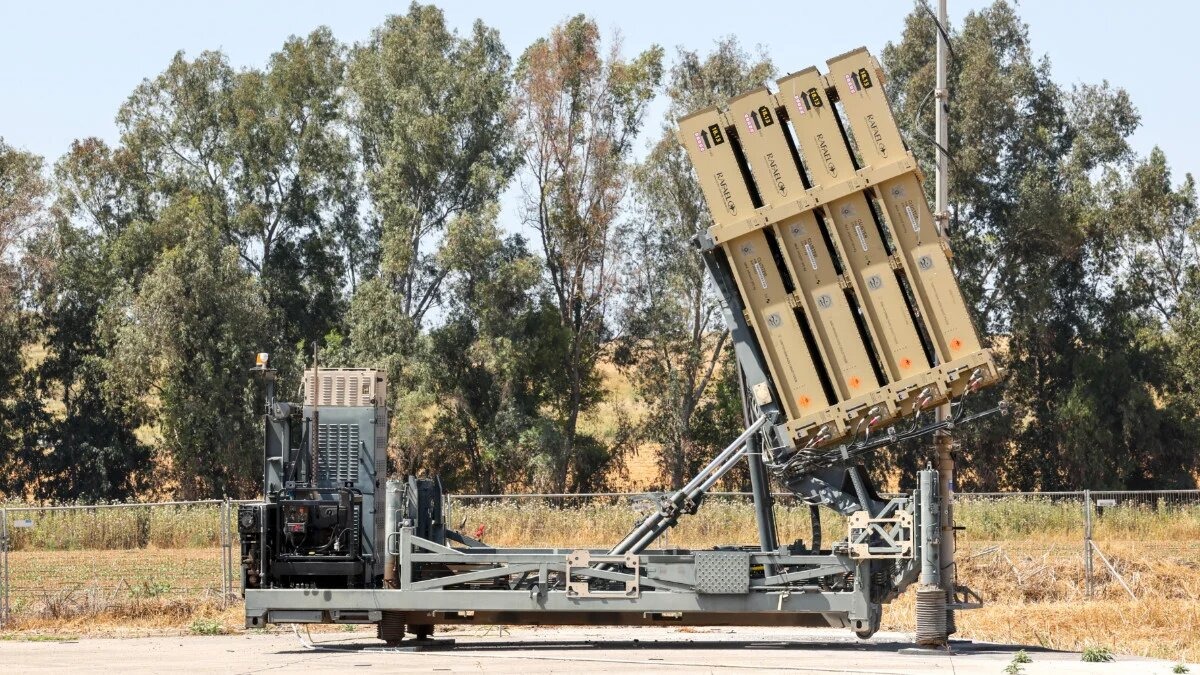
Israel is exploring the expansion of its advanced air defense technology to additional international partners, with the United Arab Emirates emerging as a leading candidate for future cooperation, according to officials familiar with ongoing discussions.
The effort follows Israel’s recent agreement to provide a layered air defense system to Greece, a deal valued at approximately $3.5 billion. Defense officials and analysts view the agreement as a possible model for future partnerships involving countries seeking stronger protection against missile and drone threats.
Sources familiar with the discussions said conversations involving Israel, the UAE, and the United States have focused on strengthening the Emirates’ air defense network. The talks are examining ways Israel’s technology could help address gaps in existing defensive capabilities.
A layered air defense system combines several types of technologies designed to intercept different threats at various altitudes and ranges. Such systems are intended to provide multiple lines of protection against ballistic missiles, cruise missiles, rockets, and unmanned aerial vehicles.
Officials involved in the discussions believe the concept used in the Greece agreement could be adapted for other countries seeking more comprehensive defense coverage. The approach would allow nations to integrate different interception systems into a coordinated network capable of responding to a wide range of threats.
According to individuals familiar with the matter, Israel sees significant opportunities to expand international demand for its air defense technology. Growing concerns about regional security, missile development programs, and drone warfare have increased interest in defensive systems across the Middle East and beyond.
The UAE is viewed as a particularly attractive partner because defense cooperation between Abu Dhabi and Jerusalem has expanded in recent years. Security ties between the two countries have deepened through joint initiatives, information sharing, and discussions involving military technology.
Earlier this year, regional tensions and military confrontations involving Iran increased attention on air defense readiness throughout the Gulf region. During that period, reports indicated that Israel provided additional support aimed at helping strengthen defensive capabilities in the UAE.
Defense cooperation between the two countries has continued to develop through various agreements and joint projects. Officials have discussed opportunities involving research, technology development, and the future acquisition of defense systems.
Military analysts note that the UAE already operates several advanced air defense platforms. These include Patriot missile defense batteries and the Terminal High Altitude Area Defense system, commonly known as THAAD. Both systems were developed in the United States and form a key part of the country’s existing defense architecture.
In addition to American-made equipment, reports over recent years have indicated that the UAE has also acquired Israeli defense technology. These purchases have contributed to broader efforts aimed at building a stronger and more flexible defensive network.
Despite those capabilities, experts say there is still room to expand the country’s layered defense structure. A fully integrated system requires multiple interception layers that can respond to different types of incoming threats at varying distances and altitudes.
Supporters of closer cooperation argue that combining existing assets with additional technology could improve overall coverage and strengthen regional security. They believe that modern conflicts increasingly demonstrate the importance of defending against both traditional missile attacks and rapidly evolving drone threats.
The Greece agreement has attracted international attention because it highlights Israel’s growing role in the global defense market. The deal includes technology, infrastructure, and operational support designed to create a comprehensive defensive shield.
Industry observers say the agreement may serve as a blueprint for future exports. By offering integrated systems rather than individual components, Israel can provide partner nations with broader defensive capabilities tailored to their specific security needs.
The international market for air defense systems has expanded significantly in recent years. Governments around the world are investing heavily in technologies capable of countering increasingly sophisticated aerial threats.
For Israel, expanding exports could strengthen both its defense industry and its strategic relationships with regional and international partners. For potential buyers, access to proven interception technology offers an opportunity to improve national security and military readiness.
While no final agreement involving the UAE has been announced, discussions continue among officials and defense planners. Any future arrangement would likely involve extensive technical reviews, security assessments, and coordination among participating governments.
As regional security challenges continue to evolve, interest in advanced defensive systems is expected to remain high. The ongoing discussions underscore the growing importance of integrated air defense networks and the role they play in protecting nations against modern threats.

