


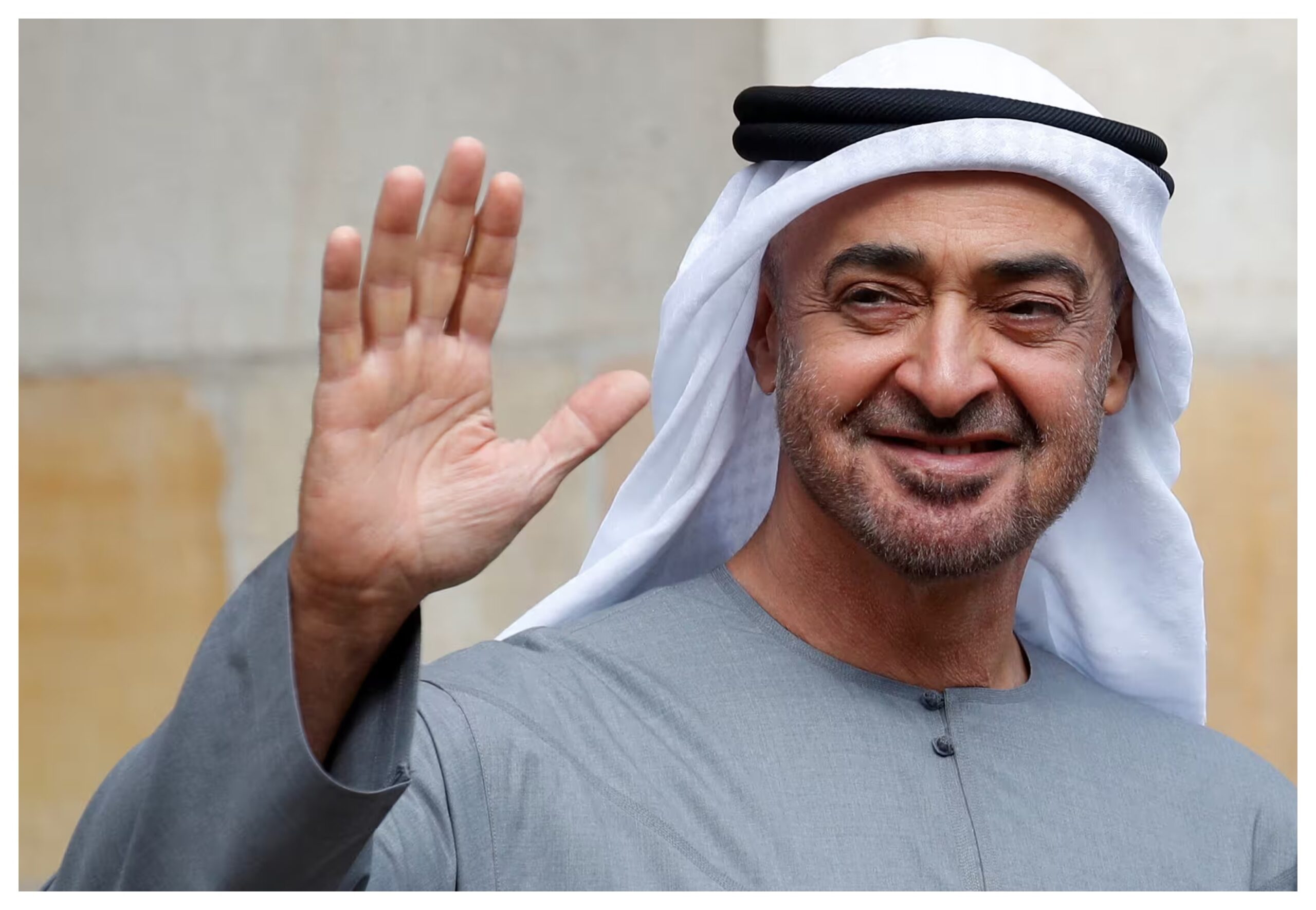
United Arab Emirates President Sheikh Mohamed bin Zayed Al Nahyan has granted a presidential pardon to Egyptian poet and activist Abdul Rahman Yusuf al-Qaradawi, bringing a dramatic turn to a case that attracted widespread international attention and debate.
The decision came only days after al-Qaradawi was sentenced to 10 years in prison and fined AED200,000 by the Cybercrime Circuit of the Abu Dhabi Federal Court of Appeal. The pardon was officially confirmed by the state news agency, which reported that procedures had been initiated to implement the presidential order.
The move has been welcomed by supporters and human rights advocates who had raised concerns about the activist’s detention and legal proceedings. Many now hope that the process will be completed quickly, allowing al-Qaradawi to reunite with his family after months of uncertainty.
Al-Qaradawi’s case gained international attention earlier this year following his extradition from Lebanon to the UAE. Lebanese authorities transferred him in January after receiving a request from Emirati officials.
The legal case stemmed from a video recorded during a visit to Syria. In the video, al-Qaradawi criticized authorities in several countries, including Egypt, the UAE, and Saudi Arabia. The comments later became part of the legal proceedings against him.
Human rights organizations and legal experts closely monitored the case after his transfer to the UAE. Several groups expressed concern over the extradition process and the conditions surrounding his detention.
According to rights advocates, al-Qaradawi remained out of public view for more than 200 days following his extradition. This led to repeated calls for information regarding his legal status and access to due process.
International organizations argued that the handling of the case raised important questions about legal protections and international standards. Some groups stated that extradition procedures should ensure individuals receive fair treatment and adequate legal safeguards.
United Nations experts also voiced concerns about the broader use of international legal mechanisms in cases involving political activists and government critics. They argued that such mechanisms should not be used in ways that could restrict freedom of expression or political dissent.
The presidential pardon has therefore been viewed by many observers as a significant development. Human rights advocates described the decision as a positive step and expressed hope that it would bring a swift resolution to the matter.
Supporters of al-Qaradawi welcomed the announcement and urged authorities to complete all remaining administrative procedures without delay. They said the focus should now be on facilitating his release and allowing him to return to normal life.
Al-Qaradawi is widely known in the Arab world as both a poet and a political activist. He became involved in public affairs during the period leading up to the 2011 uprising in Egypt, which resulted in the end of President Hosni Mubarak’s long rule.
Over the years, he became associated with opposition political movements and public campaigns calling for reform. His activities made him a recognizable voice in political and cultural discussions across the region.
Following political changes in Egypt, al-Qaradawi later moved abroad and continued his work from outside the country. He spent time in Turkey after facing restrictions related to his public activities and media appearances.
He is also known as the son of the late Yusuf al-Qaradawi, a prominent Islamic scholar whose influence extended across much of the Muslim world. The elder al-Qaradawi passed away in Qatar in 2022.
The presidential pardon closes a chapter that generated significant international attention and diplomatic discussion. While legal and political debates surrounding the case may continue, the decision has shifted attention toward the practical steps needed to secure al-Qaradawi’s release.
Observers say the development highlights the role of presidential pardons within the UAE’s legal system and demonstrates how executive decisions can alter the course of high-profile cases.
For supporters, the announcement offers hope after months of concern. For rights advocates, it represents an important outcome following sustained calls for action. As implementation procedures move forward, many will be watching closely to see how quickly the pardon is carried out.
The case has drawn attention across the Middle East and beyond, making the presidential decision one of the region’s most closely followed legal developments in recent weeks. The focus now turns to the final steps needed to bring the matter to a formal close.

