


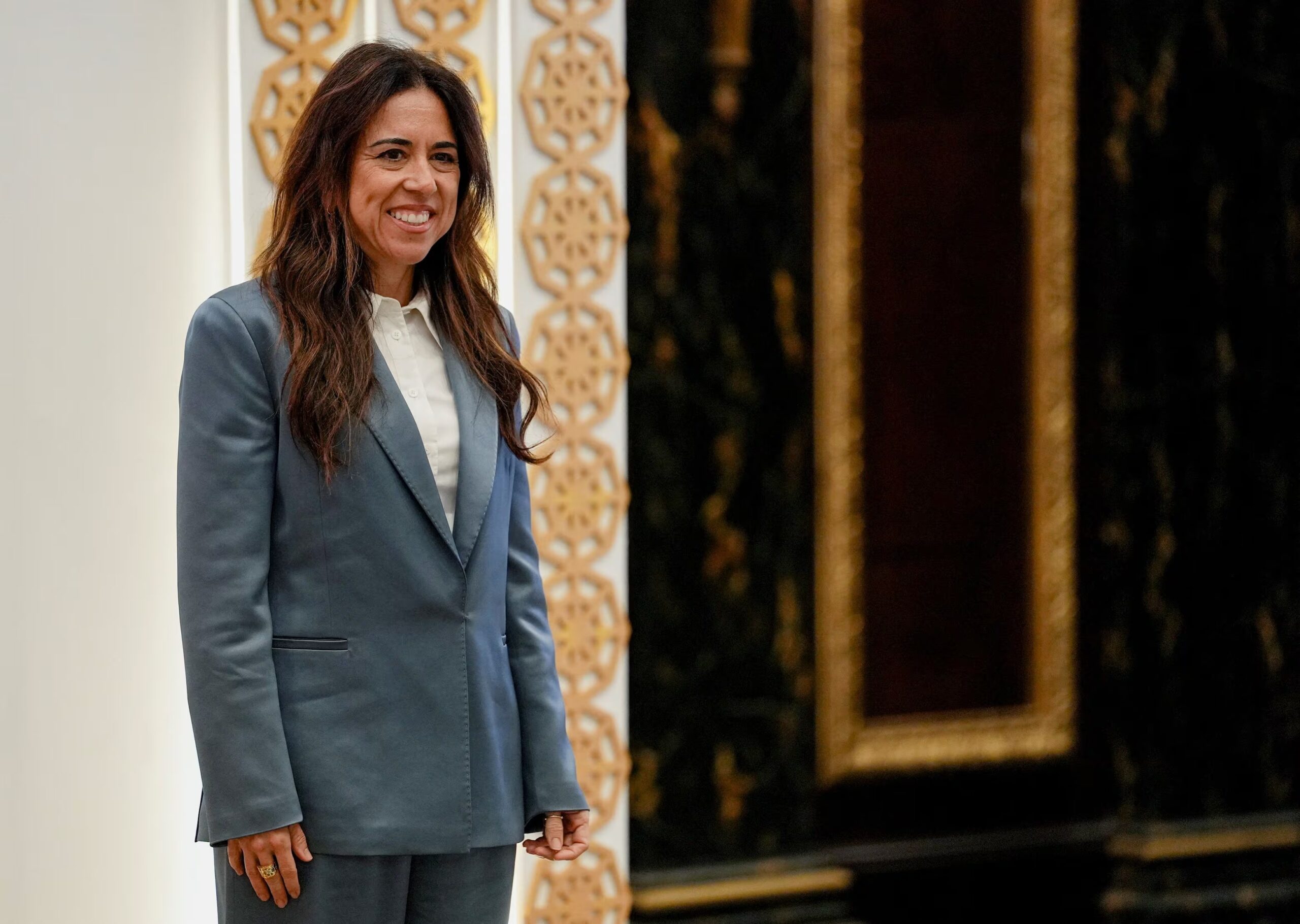
Senior UAE diplomat Lana Nusseibeh has entered the race to become the next United Nations secretary-general. She announced her candidacy on Wednesday as the contest continued without a clear choice backed by the most powerful members of the Security Council.
Nusseibeh is the United Arab Emirates minister of state for foreign affairs. She also served as the country’s ambassador to the United Nations for more than a decade.
She said the world body needs a stronger role in solving global problems. She wants the next secretary-general to bring countries together and help address conflicts through diplomacy.
“It’s clear that today we need a secretary-general that can recommit to the future of multilateralism and the future of the United Nations as a problem-solver rather than as a spectator to the world’s crises,” Nusseibeh told Reuters before announcing her bid.
Her entry adds a prominent Middle Eastern figure to a race that has faced challenges in finding broad support. The next UN chief will take office at a time of serious international disputes and growing pressure on global institutions.
Race for UN Leadership Remains Open
Nusseibeh has entered the contest later than some other candidates. Former Costa Rican Vice President Rebeca Grynspan had emerged as a narrow frontrunner in informal polls, according to diplomatic sources.
However, recent voting showed that no candidate had secured clear backing from the five permanent members of the Security Council. Britain, China, France, Russia, and the United States hold the power to block a candidate.
In the latest informal poll, Grynspan and all other candidates received at least two opposing votes from those permanent members. This has left the process open as diplomats discuss the next steps.
Council members are considering whether to hold another poll on Friday or wait until a later date. The outcome of these discussions could help show which candidates have a realistic chance of gaining wider support.
The secretary-general is chosen through a process involving the Security Council and the wider UN General Assembly. Support from the permanent council members is especially important because any one of them can veto a recommendation.
Nusseibeh said she had been encouraged to run by several countries during the most recent UN General Assembly. She believes the organization needs new leadership and a fresh approach.
“It’s recognized today that we need someone who offers generational change for the organization,” she said.
A Record in UN Diplomacy
Nusseibeh has experience in high-level negotiations. She previously led the UAE’s campaign to win a seat on the Security Council. Diplomats in New York have described her as a capable manager.
Her time at the UN also included the Gaza war, which began after Hamas attacked Israel on October 7, 2023. During that period, she helped secure the adoption of Security Council Resolution 2720, which supported efforts to deliver humanitarian aid to Gaza.
Nusseibeh said she used direct engagement to help win support for the resolution. She arranged a visit by council members to the Rafah border crossing so they could see conditions on the ground.
She described this approach as “creative entrepreneurial diplomacy.” Her strategy, she said, focuses on practical steps that can help diplomats understand a crisis and reach agreement.
Her campaign is likely to face questions about how she would respond to conflicts where major powers have sharply different views. The next secretary-general will need to work with countries that often disagree on security, humanitarian aid, and international law.
Sudan Allegations Pose a Challenge
Nusseibeh has supported the UAE’s active foreign policy and its efforts to counter political Islam. However, the country has faced international scrutiny over the war in Sudan.
UN sanctions monitors have described allegations that the UAE provided military support to Sudan’s paramilitary Rapid Support Forces as credible. The UAE denies the allegations.
Asked how the issue could affect her bid, Nusseibeh said she had taken leave from her UAE government post. She added that she would focus on Sudan’s humanitarian crisis during her campaign.
The issue could draw attention as countries assess her record and approach to international conflicts. The secretary-general is expected to act on behalf of the United Nations as a whole, while also working with governments that may have competing interests.
A Potential First for Women
If elected, Nusseibeh would become the first woman to lead the United Nations. She would also be only the second secretary-general from the Middle East, following Egypt’s Boutros Boutros-Ghali.
Nusseibeh said her candidacy was not based on her gender. She instead pointed to her regional experience and the challenges facing the international system.
“I come from a country that is younger than the United Nations but our region is one that has been facing severe challenges,” she said.
Her entry adds another option to a contest still shaped by the views of the Security Council’s permanent members. The coming rounds of talks and informal polls will help determine whether she can build the support needed to become the next UN chief.

