


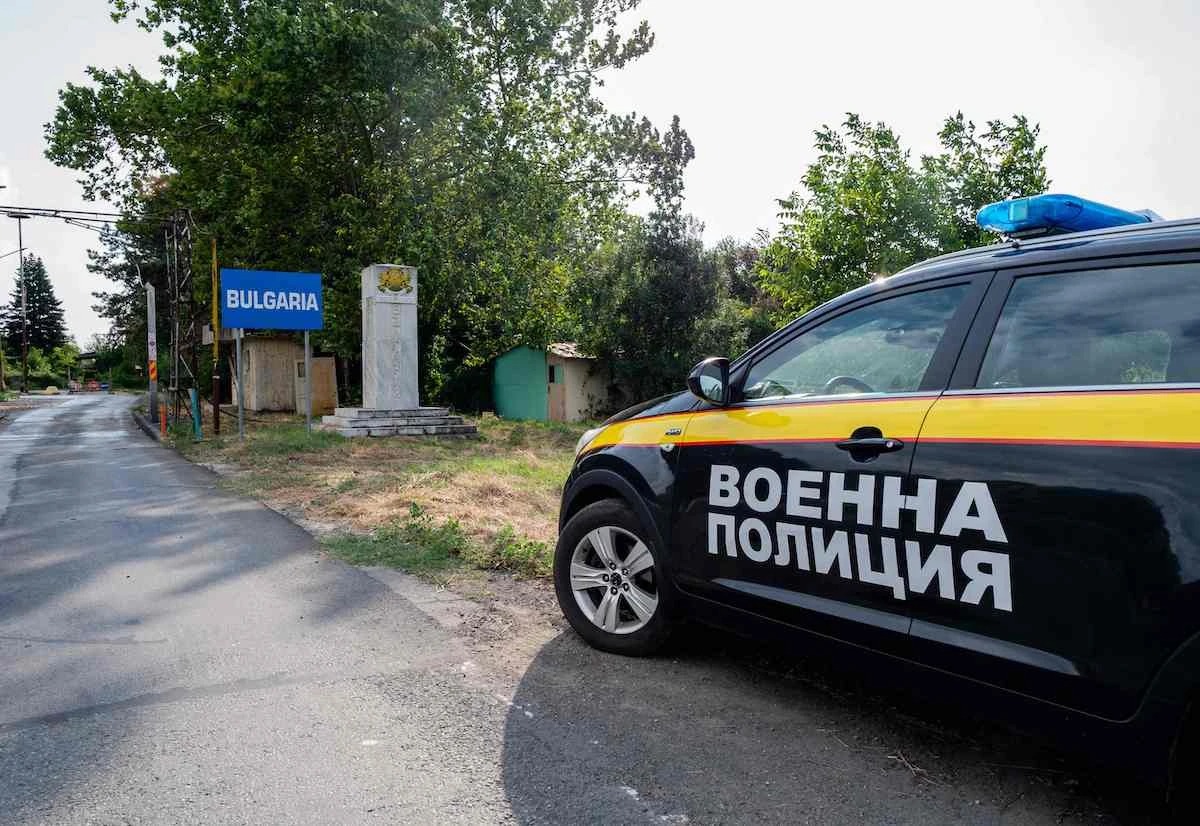
Bulgaria has recalled its ambassador to the United Arab Emirates as a widening corruption investigation places new attention on alleged financial connections involving senior political figures and state contracts.
The decision was announced on Friday after Bulgarian authorities examined claims linking the ambassador’s family to a company that allegedly financed private jet travel for opposition lawmaker Delyan Peevski. The move marks the latest development in the government’s efforts to address corruption concerns in the country.
Prime Minister Rumen Radev called for action after details from the investigation emerged. Radev has made anti-corruption reforms a central part of his political agenda since taking office earlier this year. His administration has repeatedly stated that improving transparency and accountability remains a priority.
Bulgaria continues to face scrutiny over corruption issues. International watchdogs have frequently ranked the country among the weaker performers within the European Union on measures related to public sector transparency and corruption perception.
The investigation focuses on Delyan Peevski, an opposition member of parliament who has long been a controversial figure in Bulgarian politics. Critics have accused him of holding significant influence across sectors including media, the judiciary, and security institutions. Peevski has repeatedly rejected such claims.
Interior Minister Ivan Demerdzhiev provided details about the findings during a press briefing on Friday. According to the minister, investigators discovered evidence suggesting that a shell company was used to finance private jet travel linked to Peevski.
Demerdzhiev said the flights were valued at more than five million dollars. Investigators are examining how the payments were made and whether any financial irregularities occurred during the process.
Authorities identified the company at the center of the inquiry as being owned by the father of Bulgaria’s ambassador to the United Arab Emirates, Ivan Yordanov. The government’s decision to recall the ambassador followed the emergence of those findings.
According to investigators, the company received money from four businesses that had secured major government contracts related to road infrastructure projects. The contracts involved the supply and installation of road guardrails across the country.
Officials said the contracts were initially worth more than 400 million euros. Investigators also noted that the value of the agreements later increased by more than 150 million euros through additional adjustments.
The government is now examining whether there is any connection between those payments and the private jet expenses identified during the investigation. Authorities have not yet announced any formal charges related to the case.
Peevski strongly denied the allegations. Speaking to reporters in parliament, he rejected claims that outside funds were used to pay for his travel. He stated that he and his family personally covered the costs of the flights.
The lawmaker described the accusations as false and politically motivated. His comments added to an already tense political debate surrounding the investigation and its potential consequences.
Peevski has previously faced international sanctions. The United States and the United Kingdom have imposed sanctions against him over corruption-related allegations. He has denied wrongdoing and has continued to reject accusations made against him by critics and foreign authorities.
The case has attracted significant public attention because of its links to government spending, political influence, and questions surrounding public procurement processes. Analysts say the investigation could become an important test of the government’s commitment to tackling corruption.
Radev’s administration came to power following parliamentary elections in April. During the campaign, the prime minister pledged to strengthen oversight, improve transparency, and pursue investigations into suspected corruption regardless of political affiliation.
Supporters of the government argue that the current inquiry demonstrates a willingness to investigate powerful figures. Critics, however, are watching closely to see whether the investigation results in legal action or broader reforms.
The probe remains ongoing, and officials have indicated that additional findings could emerge as investigators continue reviewing financial records and contract details. The outcome of the case is expected to be closely followed in Bulgaria and across Europe as authorities seek to determine whether public funds or influence networks played a role in the transactions under scrutiny.

