


Morocco has joined 30 countries in a major international operation led by the United Arab Emirates to fight digital fraud. The three-month effort identified more than MAD 390 billion, or $39 billion, in funds and cryptocurrencies linked to suspected scams.
Named Confrontation Ghost, the operation ran from July 1 to September 30 under the leadership of the UAE Ministry of Interior. It brought together law enforcement agencies, international organisations and technology companies to target criminal networks operating across borders.
The participating countries included Morocco, Canada, China, France, Japan, the Philippines, the United Kingdom, the Netherlands and South Korea. INTERPOL and the Global Anti-Scam Alliance also took part, alongside 13 private-sector partners from the technology and financial industries.
The operation focused on three growing threats: fraud powered by artificial intelligence, financial scams carried out through digital platforms, and technology-facilitated sexual extortion. The latter can target vulnerable people, including children and teenagers.
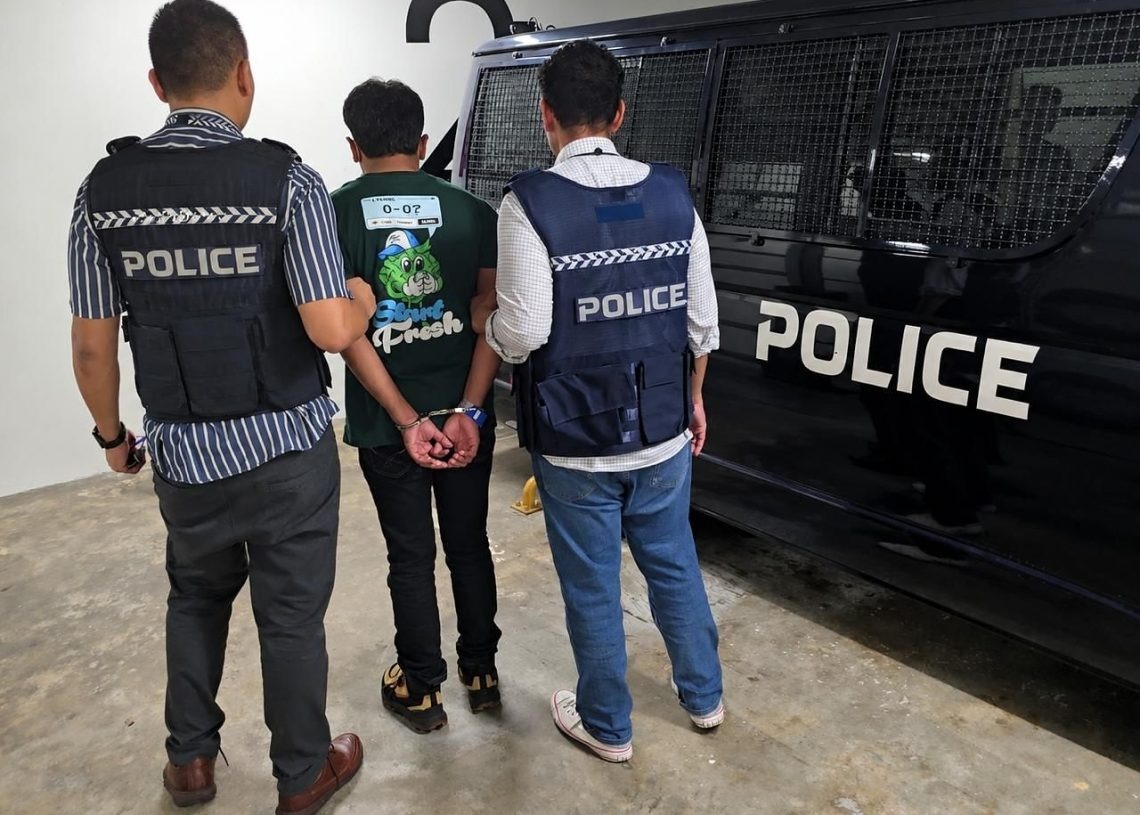
During the campaign, participating agencies stopped more than 123.71 million online fraud attempts worldwide. Investigators identified over 15,500 victims and more than 3,500 suspects. The operation also led to more than 960 arrests and raids on 29 fraud centres.
Authorities shut down more than 570 social media accounts used to support fraud schemes, move money or manipulate victims. They also identified 4,126 bank accounts linked to suspected fraud and took steps to block them.
The operation relied on intelligence sharing between countries and private companies. Participants exchanged more than 9,000 pieces of intelligence to help investigators identify criminal methods, trace suspicious transactions and understand how networks recruit victims.
Investigators also examined how criminal groups move and hide money across borders. Digital currencies and online financial services can make it easier for offenders to transfer funds quickly. Cooperation between law enforcement and financial institutions can help trace these movements and identify assets linked to suspected crimes.
Another part of the effort focused on financial security. The operation helped protect more than four billion financial transactions each month through tokenization technology. This method replaces sensitive payment information with digital tokens, helping reduce the risk of exposing valuable financial data.
The funds identified during the operation are now the subject of recovery efforts involving participating countries, judicial authorities and private-sector firms. The assets are valued at more than $39 billion, although identifying funds linked to suspected crime does not mean that all of the money has already been recovered.
The results were announced at a UAE-organised event in Vienna titled “From Cooperation to Action.” The event took place during the 13th session of the Conference of the Parties to the United Nations Convention against Transnational Organized Crime, held from October 19 to 23.
Officials used the meeting to discuss ways to turn international cooperation into lasting action. Key themes included stronger partnerships between governments and businesses, faster intelligence sharing and better preparation for fraud methods that use artificial intelligence.
Colonel Dana Humaid Al Marzouqi, director general of the International Affairs Bureau at the UAE Ministry of Interior, said the initiative had turned shared intelligence into coordinated action.
She described the effort as a first-of-its-kind operation designed to strengthen the ability of participating countries to respond to digital crime. She also said real-time intelligence sharing helped agencies identify suspicious activity faster and follow illicit financial flows across borders.
The United Nations Office on Drugs and Crime praised the operation. Its executive director, Monica Kathina Juma, commended the UAE for bringing countries and organisations together to make the initiative possible.
Juma also highlighted the role of UAE President Sheikh Mohamed bin Zayed Al Nahyan in supporting the effort. She warned that criminals are increasingly using artificial intelligence and cryptocurrencies to move money and conceal illegal financial activity.
The private-sector partners included Bayut, Crypto.com, dubizzle, Feedzai, Ghostly Solutions, Group-IB, Huawei, Mastercard, Meiya Pico, Meta, Outseer, TikTok and Trend Micro.
Their involvement reflects the growing role of technology and financial companies in detecting online scams. Criminal networks often use social media, digital payments and automated tools, making cooperation between public agencies and private firms increasingly important.
For Morocco, participation places the country among a broad international effort to address digital fraud. The results also highlight the scale of the challenge, as criminals use increasingly advanced technology to target victims and move money across national borders.
Officials have emphasised that continued cooperation will be needed beyond the three-month operation. Sharing information, protecting financial systems and tracing suspicious assets remain central to efforts to reduce the impact of online fraud.

