


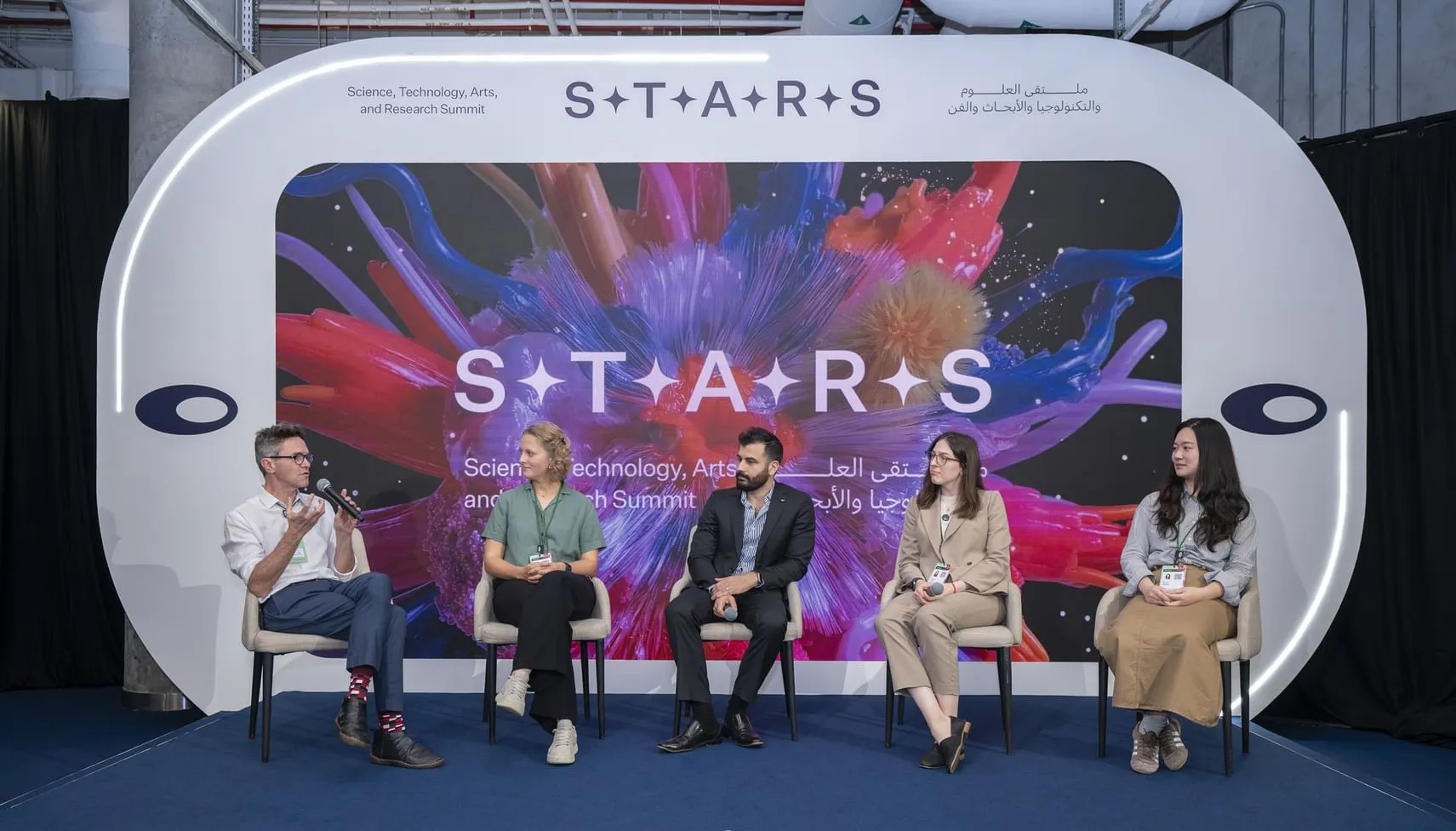
Artificial intelligence and data analytics are becoming important tools for planning safer and more sustainable cities, according to discussions at the Science, Technology, Arts and Research Summit in Dubai. The summit took place as part of Dubai Future Week 2026, bringing together researchers and specialists to examine how technology can improve the way urban areas are designed and managed. Experts discussed how connected vehicles, large datasets and artificial intelligence could help governments understand how people move through cities and identify problems that traditional planning methods may overlook.
Researchers from the Massachusetts Institute of Technology highlighted the importance of putting people at the centre of urban development. They explained that cities should be designed around the needs of residents rather than focusing only on buildings, roads and infrastructure. Good urban planning can improve quality of life by creating safer streets, protecting green areas and supporting stronger connections between communities. Technology can help officials understand these needs, but experts stressed that digital systems should support human decisions rather than replace the experience and knowledge of people who live in the city.
One example discussed at the summit involved using connected-vehicle information and mobility datasets to improve road safety. These sources can help planners identify locations where traffic problems occur frequently and examine how road design affects drivers, cyclists and pedestrians. Artificial intelligence can process large amounts of information more quickly than traditional methods, allowing officials to identify patterns and compare different solutions. Similar systems may also help cities respond to environmental challenges by monitoring traffic emissions, understanding changes in land use and supporting more efficient transport networks.
The discussions reflect Dubai’s wider ambition to use technology to improve public services and prepare for future urban challenges. As cities grow, governments must manage transport, housing, energy use and environmental protection while ensuring that residents continue to enjoy a good quality of life. Digital tools can make these tasks more efficient, but their success depends on reliable data, responsible planning and public trust. The summit showed how cooperation between universities, technology companies and government institutions could help turn research into practical improvements for cities in the UAE and beyond.

