


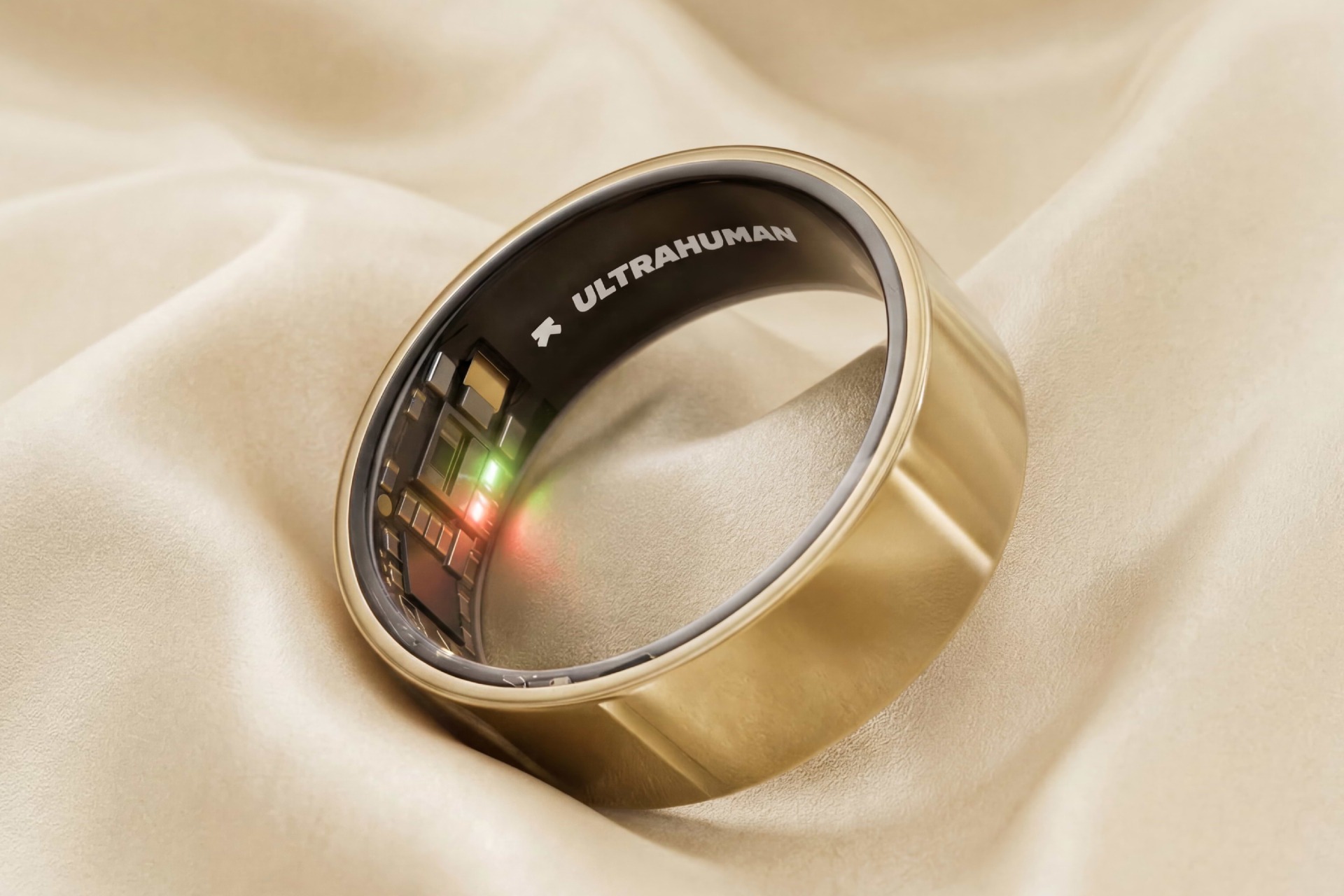
Bengaluru-based health technology company Ultrahuman has partnered with Abu Dhabi health authorities to develop a model that estimates biological age. The company plans to make the system available to people across the United Arab Emirates after research and clinical testing.
Ultrahuman announced the partnership on Monday. It has signed a two-year memorandum of understanding with the Abu Dhabi Public Health Center to build and test the model. The project will combine medical test results with data collected by wearable devices.
The aim is to estimate how quickly a person is aging and identify factors that may affect the process. These include sleep, physical activity, heart health and metabolism.
The deal marks a new step for Ultrahuman as it looks beyond selling smart rings. The company wants to use health data to build tools that support preventive care, aging research and long-term health tracking.
Chief Executive Mohit Kumar said the smart ring is mainly a way to collect information from the body. The company’s wider goal is to turn that information into useful health insights.
The partnership with a government health body could help Ultrahuman reach more people than it can through its own customers. The startup has sold around 800,000 smart rings worldwide, according to Kumar.
The company sees the Abu Dhabi project as its first move toward deploying a health algorithm on a national scale. The model is eventually expected to be available to residents across the UAE, although the company has not announced a launch date.
Despite its focus on smart rings, Ultrahuman says the model will not depend on one type of wearable device. It is being designed to work with data from rings, watches, straps and patches. Clinical biomarkers will also form part of the system.
This approach could allow people to use different devices while still accessing the same health-age service. The company said users may eventually be able to view their results through government digital health platforms, including TAMM and Sahatna.
Over the next two years, Ultrahuman and the Abu Dhabi Public Health Center will focus on research and clinical validation. Kumar said the wider rollout would take place in stages, but he did not give a timetable.
The project could also provide access to a broader range of health data than Ultrahuman currently receives from its customers. Kumar said many of the company’s existing users are between 25 and 43 years old.
A government-backed program could include people from more age groups and with different health backgrounds. This wider reach may help researchers understand how biological-age estimates vary across a population.
Ultrahuman developed its existing model using data already collected from users. The system compares chronological age with wearable signals and, for some people, blood-test markers. These patterns can help the company study how health indicators usually change as people grow older.
The company says the model can then identify differences from those common patterns. However, biological age is an estimate based on health measures, not the same as a person’s actual age. The model’s accuracy and usefulness will need to be assessed through research and clinical testing.
Kumar also said the algorithm would not be trained on data from the UAE. Instead, Ultrahuman plans to apply its existing model to data in the country. He added that the company would not have access to personally identifiable information through the program.
The project comes as Abu Dhabi expands its use of wearable technology in preventive health. In May, the Department of Health in Abu Dhabi announced a separate partnership with Oura, a rival smart-ring maker.
That project aims to combine Oura’s wearable data with long-term health information held by the emirate. Its initial focus includes women’s health and cardiometabolic risks, which involve conditions affecting the heart and metabolism.
Kumar said Ultrahuman was not aware of another company working with Abu Dhabi authorities on a biological-age model specifically. He acknowledged that the government works with several health technology firms but declined to discuss the details of Oura’s project.
The two partnerships reflect growing competition among wearable makers to offer services beyond tracking sleep, activity and other daily health signals. Companies are increasingly looking to use their data and software to support broader health programs.
Ultrahuman is also exploring new features for its hardware. Kumar has said the company wants to develop a smart ring that can run software directly on the device. Potential uses could include artificial intelligence interactions and games.
For now, the UAE biological-age project remains in its research and testing phase. Its wider impact will depend on the results of clinical validation, how the service is introduced and whether residents can use it to gain reliable insights into their health.
If successful, the partnership could give Ultrahuman a larger role in preventive health while helping Abu Dhabi explore new ways to use wearable data across its population.

