


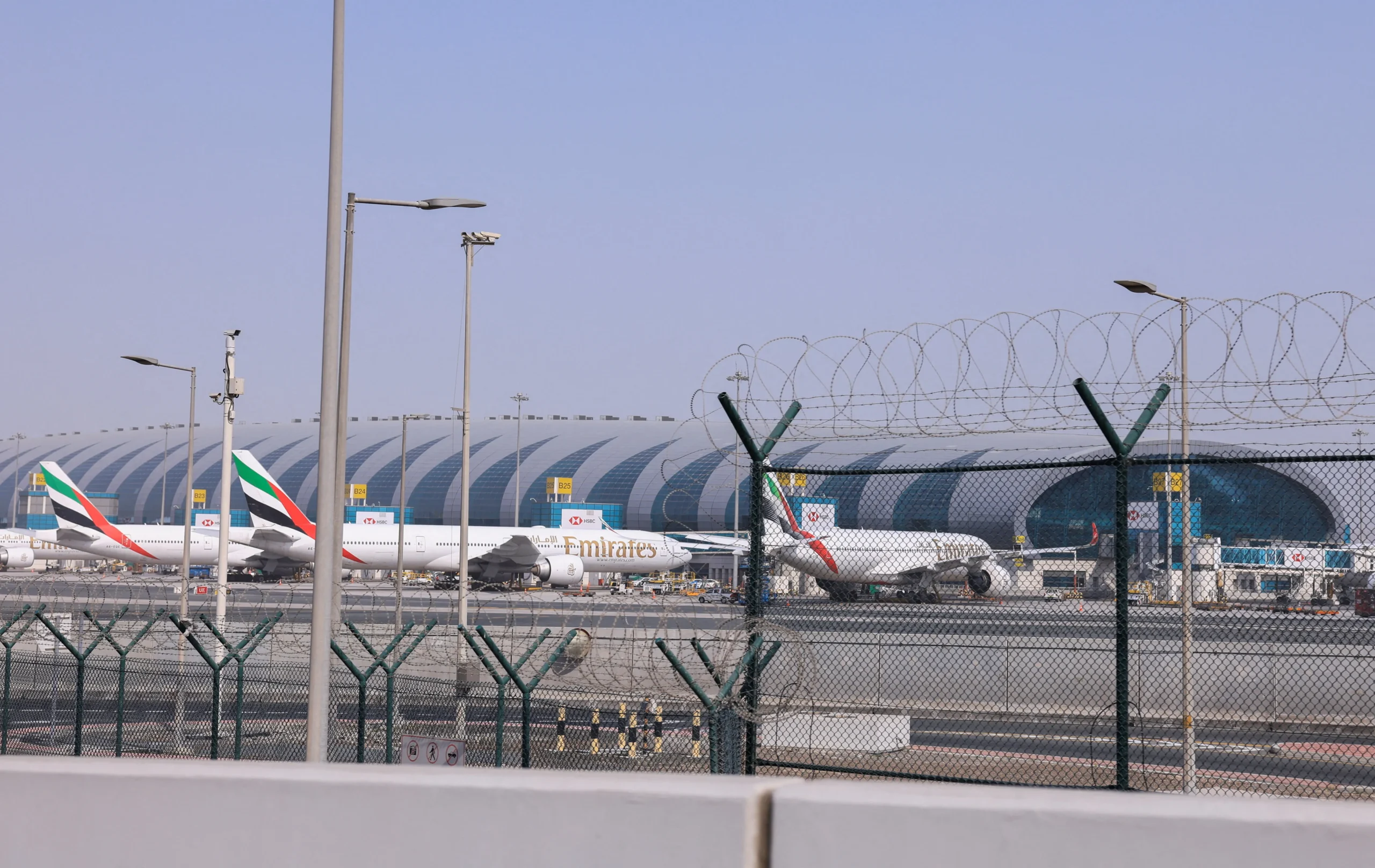
The United Arab Emirates is continuing to expand its aviation industry through major investments in airports, passenger facilities and international flight connections. New figures show that passenger traffic remains strong, while airport operators are upgrading infrastructure to support future demand. The expansion is intended to strengthen the country’s position as an international centre for tourism, trade and logistics, with Dubai playing a major role in the development programme.
Dubai International Airport handled 50.4 million passengers during the first nine months of 2026. This included 18.8 million travellers during the third quarter, while August was the busiest month of that period with 6.6 million passengers. The airport currently connects Dubai with 235 destinations across 101 countries through 57 airlines. During the first nine months, aircraft movements reached 243,000 and cargo volumes totalled 1.215 million tonnes.
Dubai Airports is also carrying out upgrades at Dubai International and Dubai World Central. The programme includes improvements to the Terminal 3 access bridge, road connections serving Terminals 1 and 3, and airfield facilities. Further work is planned for remote boarding areas and baggage-handling systems. Passenger facilities at Al Maktoum International Airport are also being upgraded to support the expansion of flydubai’s operations and its fleet.
The scale of the investment highlights Dubai’s long-term plans for the aviation sector. The current programme has an allocated budget of AED16 billion, with contracts worth more than AED7.5 billion already awarded. In addition, contracts valued at approximately AED56.5 billion have been awarded for the development of Al Maktoum International Airport, bringing the total value of awarded contracts to around AED80 billion. The new airport work covers passenger terminals, aircraft gates, transport links, power facilities and essential infrastructure.

