


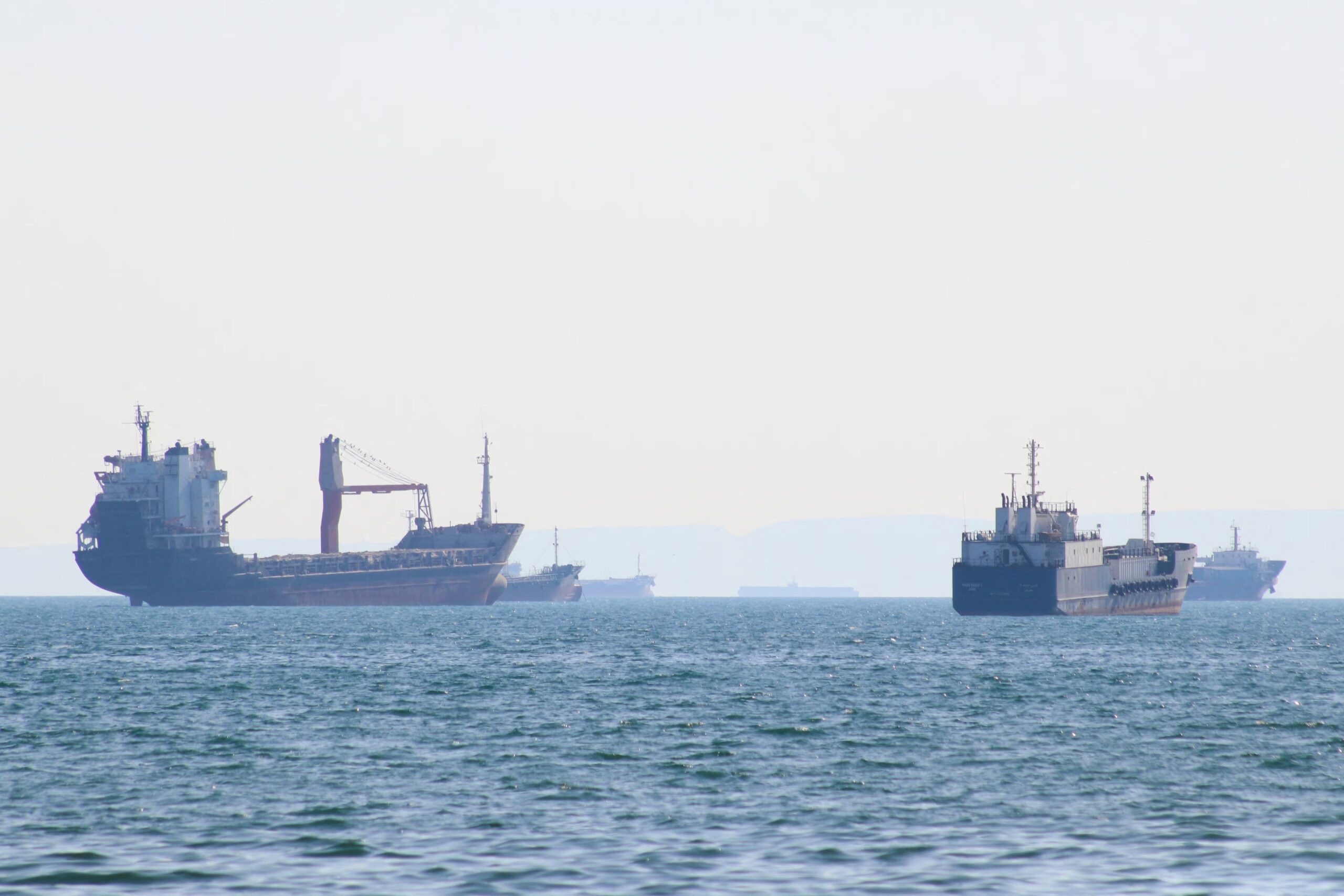
Global shipping activity showed almost no growth in 2026 as conflict, security threats and changes to major trade routes placed pressure on the maritime industry. The findings were presented in the United Nations Conference on Trade and Development’s latest Review of Maritime Transport. The report warned that disruptions at sea are affecting the movement of goods and increasing costs for businesses and consumers, particularly in countries that depend heavily on imported food, fuel and essential products.
UNCTAD’s acting secretary-general, Pedro Manuel Moreno, said attacks and other disruptions along important maritime routes had weakened the industry’s performance. Global maritime trade had grown by almost 2 per cent in 2025, but the latest review found that expansion had effectively stopped this year. The Strait of Hormuz has faced especially serious pressure since the US-Iran war began on February 28, with the report recording 141 confirmed incidents involving vessels and 25 seafarer deaths by November.
Shipping companies have also been forced to change routes and adjust their operations. Rerouting has reduced available shipping capacity by as much as 65 per cent in some Middle Eastern economies, affecting regional connections and increasing the time and cost required to move goods. Higher fuel prices have added another burden, while companies must also deal with insurance costs, security risks and uncertainty about when normal trade routes may become reliable again.
The consequences reach far beyond the maritime industry. When ships take longer routes or fuel costs rise, transport expenses can increase for food, energy and manufactured goods. UNCTAD warned that consumers in less-developed economies may face particularly serious price increases, because these countries often have fewer alternatives and less financial room to absorb higher costs. The report therefore called for stronger preparation and international cooperation, warning that disruption in one major shipping corridor can quickly become a wider cost-of-living problem.

