


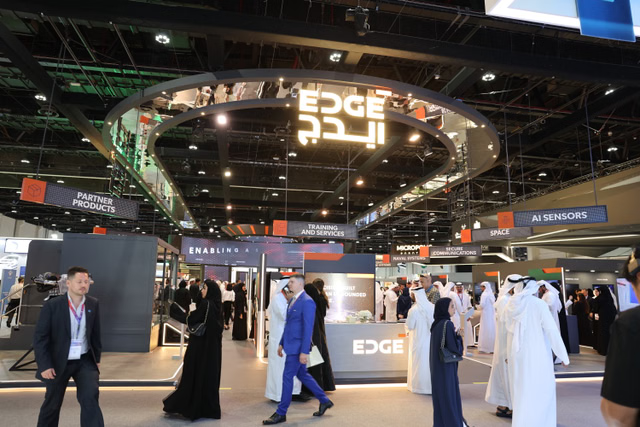
The Make It in Emirates summit has opened in Abu Dhabi with a strong focus on local factories, supply chains, and small businesses. The event aims to boost national production and give UAE-made goods a bigger role in shops and global markets.
The fifth edition of the summit runs from May 4 to May 7 at the ADNEC Centre. It is the largest edition so far. A total of 1,162 companies are taking part. They are spread across 88,000 square metres of space. Around 60 percent of these firms are small and medium enterprises, also known as SMEs.
These smaller firms are a key focus this year. The summit gives them direct access to buyers, investors, and government groups. This helps them grow faster and reach new markets.
A major highlight of Make It in Emirates is the plan to localise more than 4,800 products. This means producing more goods inside the UAE instead of importing them. The move aims to improve supply security and reduce delays caused by global issues.
The plan covers key sectors. These include food, medicine, metals, chemicals, and construction materials. It also includes advanced technology and industrial goods. Companies at the event can explore deals, funding options, and support plans linked to these sectors.
Experts say that stronger local production can help keep essential goods available. It can also ensure stable supply for supermarkets, pharmacies, and construction firms.
Over time, Make It in Emirates has grown into more than just an exhibition. It is now a platform where real business deals take place. Companies come here to sign supply contracts, secure funding, and build partnerships.
This year, the event focuses on industrial strength and supply chain stability. Key topics include logistics, raw materials, and cash flow. Sessions also cover exports and business growth.
Many firms attending are looking for new deals. They want better access to finance and new supply partners. They also want to expand into regional and global markets.
Another key goal is to increase the presence of UAE-made products in daily life. These goods will appear more in retail stores and online platforms. The first phase will focus on essential items. These include bottled water, dairy, eggs, poultry, bread, and cooking oil.
This move is designed to boost demand for local goods. It also helps factories connect with large retail and digital supply chains.
Government support plays a big role in this effort. Programs are in place to direct more spending into the local economy. Since 2021, industrial exports have grown fast. They have reached Dh262 billion in 2025. This shows strong growth year after year.
Advanced industries are also rising. Medium and high-tech exports have reached Dh92 billion. This target was achieved years ahead of schedule. These numbers show the growing strength of UAE industry.
Artificial intelligence is another major theme at the summit. AI is being used to improve production, planning, and supply chains. It helps companies respond faster to changes in demand.
A new national group will manage industrial data. It will collect and share key data in real time. This will help both companies and policymakers make faster decisions.
The event also introduces new zones. These include areas focused on startups, innovation, and advanced technology. Visitors can explore robotics, smart systems, and AI-driven tools.
Culture is also part of this year’s summit. Emirati crafts are being showcased alongside modern industry. Over 200 artisans are taking part. They present traditional products with a modern touch. This helps connect heritage with new business ideas.
The opening day features a keynote speech and expert panels. Topics include energy, manufacturing, and future technology. Special sessions also highlight the role of women in industry.
Over four days, the main goal is clear. The summit aims to turn plans into action. Success will depend on real deals, strong partnerships, and wider use of UAE-made products.
Make It in Emirates continues to grow as a key platform for the country’s industrial future. It shows how strong planning, local production, and smart technology can build a stable and competitive economy.

