


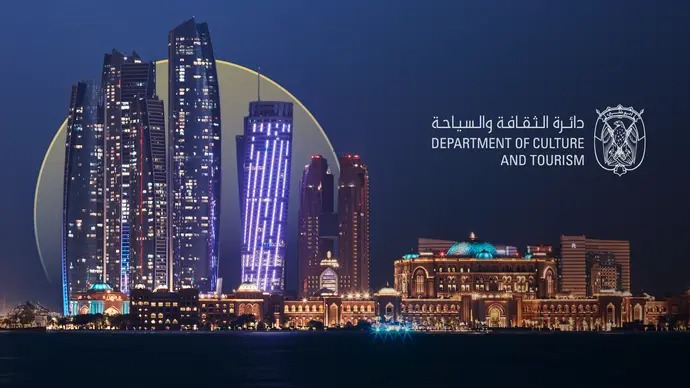
Abu Dhabi has taken its culture and heritage to Moscow through a major festival that gave visitors a close look at Emirati traditions.
The Doorway to Abu Dhabi festival ran at Manezhnaya Square until August 23. The free event was organised by the Department of Culture and Tourism Abu Dhabi with support from Moscow and the UAE Embassy in Russia.
The festival aimed to build a stronger cultural link between the UAE and Russia. It also offered visitors a chance to learn more about Abu Dhabi beyond its modern buildings and growing tourism sector.
Traditional Emirati music and dance were at the heart of the event. Visitors watched performances of Al Ayala and Al Harbiya, two important forms of Emirati cultural expression.
Al Ayala is also listed by UNESCO as part of the world’s intangible cultural heritage. The traditional performance combines music, movement and poetry and has a long place in Emirati social life.
The festival also focused on traditional crafts. At the House of Artisans, visitors could watch craftspeople demonstrate skills passed down through generations.
These included khoos, the art of weaving palm leaves, and sadu, a traditional form of weaving linked to the region’s desert life. Talli embroidery was also presented to visitors.
The event gave people a chance to take part in workshops rather than only watch demonstrations. Pottery and other craft activities helped visitors understand how traditional skills remain part of Emirati culture today.
Food was another major part of the festival. Visitors could try Emirati dishes and watch live cooking demonstrations.
Traditional sweets, dates and Arabic coffee were also part of the experience. These foods helped show the role of hospitality in Emirati life.
The festival also introduced visitors to Arabic calligraphy, Emirati clothing, henna and falconry. Each activity offered a different view of the country’s history and daily traditions.
An area focused on fragrance also explored the role of perfume and oud in Emirati culture. Fragrance has long been an important part of social life in the Gulf.
Children were also included in the programme. A special area offered storytelling, traditional games and creative workshops.
The event used modern technology to present Abu Dhabi as both a historic and modern destination. A large dome used 360-degree projections to show landmarks, cultural sites and natural landscapes across the emirate.
The mix of old and new was central to the festival. Traditional crafts and performances were presented alongside modern visual technology.
The event also comes as cultural ties between the UAE and Russia continue to grow. Trade between the two countries reached about $14 billion in 2025. Travel between the countries has also increased.
For Abu Dhabi, cultural events abroad can help build a wider image of the emirate. They allow international audiences to experience Emirati traditions before visiting the country.
The festival also supports Abu Dhabi’s wider goal of becoming a leading cultural and tourism destination. The emirate has invested in museums, heritage sites, arts programmes and international cultural events.
Abu Dhabi has also expanded its global cultural partnerships in recent years. Events such as the Moscow festival allow the emirate to share its heritage while building new links with international audiences.
The success of the event shows how culture can support relations between countries. Music, food, art and traditional skills can create links that go beyond business and politics.
For Moscow visitors, the festival offered a direct introduction to Emirati culture. For Abu Dhabi, it provided another opportunity to present its heritage on the international stage.
The event has now ended, but its message is likely to continue. Abu Dhabi is using culture not only to protect its traditions but also to share them with a wider world.

