


Syria and the United Arab Emirates have taken a significant step toward expanding economic cooperation with a new agreement focused on housing and tourism development projects in Damascus and Latakia.
The agreement was signed on Monday between Syrian authorities and Abu Dhabi-based real estate developer Eagle Hills. The deal is viewed as an important milestone in Syria’s efforts to attract investment and support long-term economic recovery after years of conflict.
The framework agreement was announced during an investment event in Damascus attended by Syrian President Ahmed al-Sharaa and Emirati businessman Mohamed Alabbar. The event highlighted growing interest from regional investors in participating in reconstruction and development projects across Syria.
Eagle Hills is led by Alabbar, one of the most prominent figures in the Middle East real estate sector. He is also known as the founder of Emaar Properties, a company behind several major developments in the region.
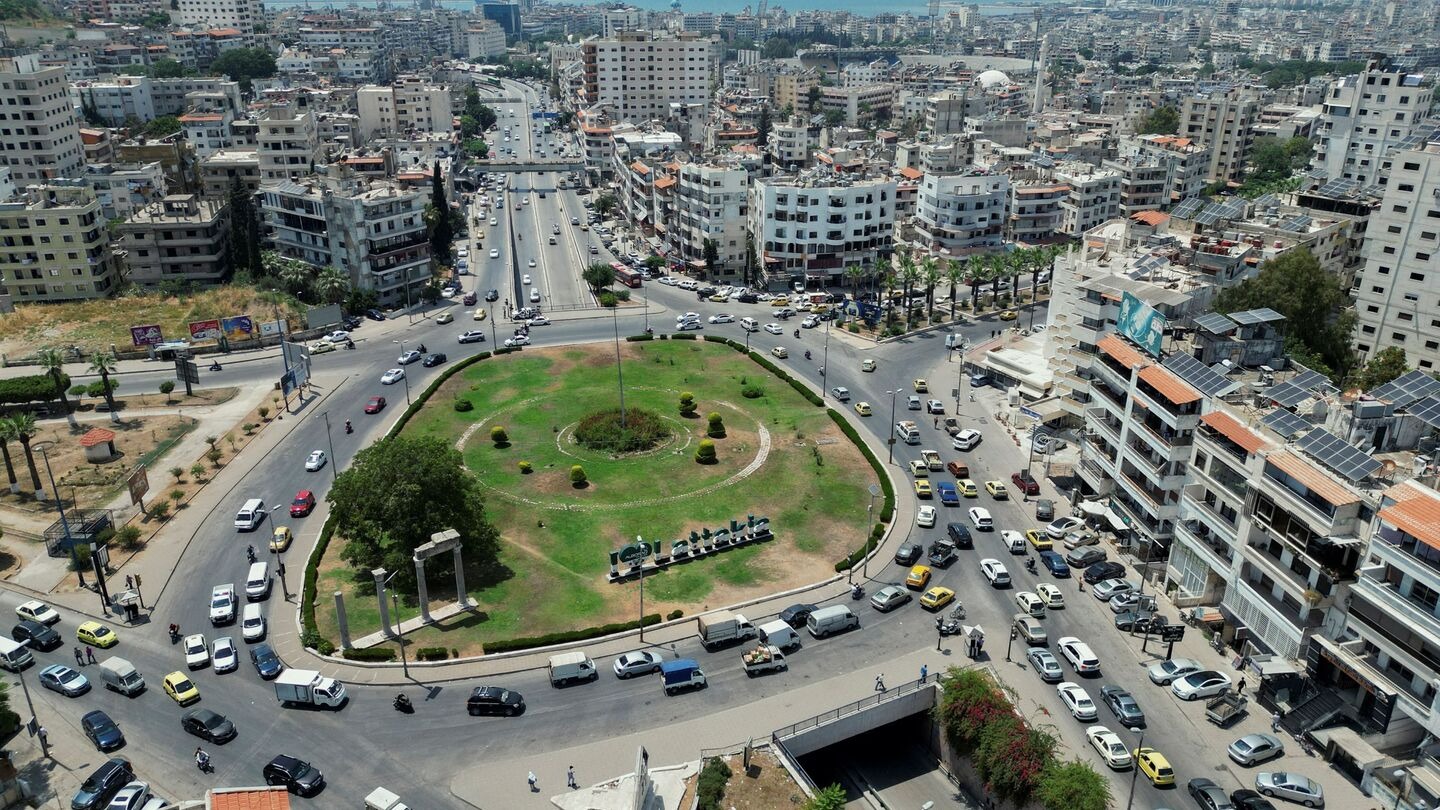
The latest agreement focuses on urban development and tourism initiatives in Syria’s capital, Damascus, and the coastal city of Latakia. Officials said two projects are expected to move directly into the implementation stage following the signing.
According to details released during the event, the developments include Tadamon Towers in Damascus and Eco Life in Latakia. Both projects are designed as large mixed-use communities that combine residential, tourism, commercial, and public facilities.
Developers say the projects aim to create modern urban environments that support housing needs while also attracting visitors and investment. Plans include homes, hospitality facilities, services, public spaces, and infrastructure designed to support long-term growth.
The agreement marks another step in a broader investment effort that could eventually involve up to $20 billion in development spending. While the full scale and timeline of future projects have not yet been finalized, the potential investment figure has drawn attention from regional business and economic observers.
If realized, the investment program would rank among the largest private-sector commitments made toward Syria’s postwar recovery. It would also represent one of the most significant overseas investment initiatives currently under discussion in the country.
Syria has been seeking new sources of capital to rebuild infrastructure, stimulate economic activity, and improve living conditions following years of conflict that affected many sectors of the economy.
Housing remains one of the country’s major challenges. Large areas require redevelopment, while growing demand for modern residential projects has increased interest in new construction initiatives.
Tourism is another sector viewed as having long-term potential. Before the conflict, Syria attracted visitors to its historical sites, cultural landmarks, and coastal destinations. Officials hope new tourism projects can help support economic growth and create jobs in the future.
The involvement of Eagle Hills has added visibility to the development effort. The company has experience in large-scale urban projects across several countries and has focused on mixed-use communities that combine residential and commercial elements.
Alabbar said the planned developments are intended to create integrated communities that serve both residents and visitors. The projects are expected to include housing units, tourism facilities, public areas, and supporting services.
Economic analysts note that large development projects can have broader effects beyond construction activity. Such investments often generate demand for local suppliers, contractors, transportation services, and other sectors connected to the economy.
The agreement also reflects strengthening economic ties between Syria and the United Arab Emirates. Business cooperation between the two countries has expanded in recent years as regional governments and investors explore new opportunities for trade and development.
Supporters of the initiative argue that private-sector investment will play a key role in rebuilding economic activity and encouraging future growth. Major projects can also help improve infrastructure and attract additional investors.
However, analysts note that large developments typically require long implementation periods and careful planning. Financing, construction schedules, infrastructure requirements, and market demand will all influence how quickly projects move forward.
For now, the signing of the framework agreement represents a major step toward implementation. With the Tadamon Towers and Eco Life projects expected to advance first, attention will focus on how construction progresses and whether additional developments follow.
The UAE Syria investment projects agreement signals growing confidence among regional investors and could become an important part of Syria’s broader economic recovery strategy in the years ahead.

