


The United Arab Emirates is entering a new phase of nuclear development as it looks beyond traditional electricity generation and toward advanced reactor technologies, industrial decarbonization, and long-term energy security.
Following the successful operation of the Barakah Nuclear Energy Plant, the country is expanding its ambitions and positioning itself as one of the world’s most active civil nuclear energy markets. Officials and industry leaders see nuclear power as a key part of meeting rising electricity demand while supporting economic growth and climate goals.
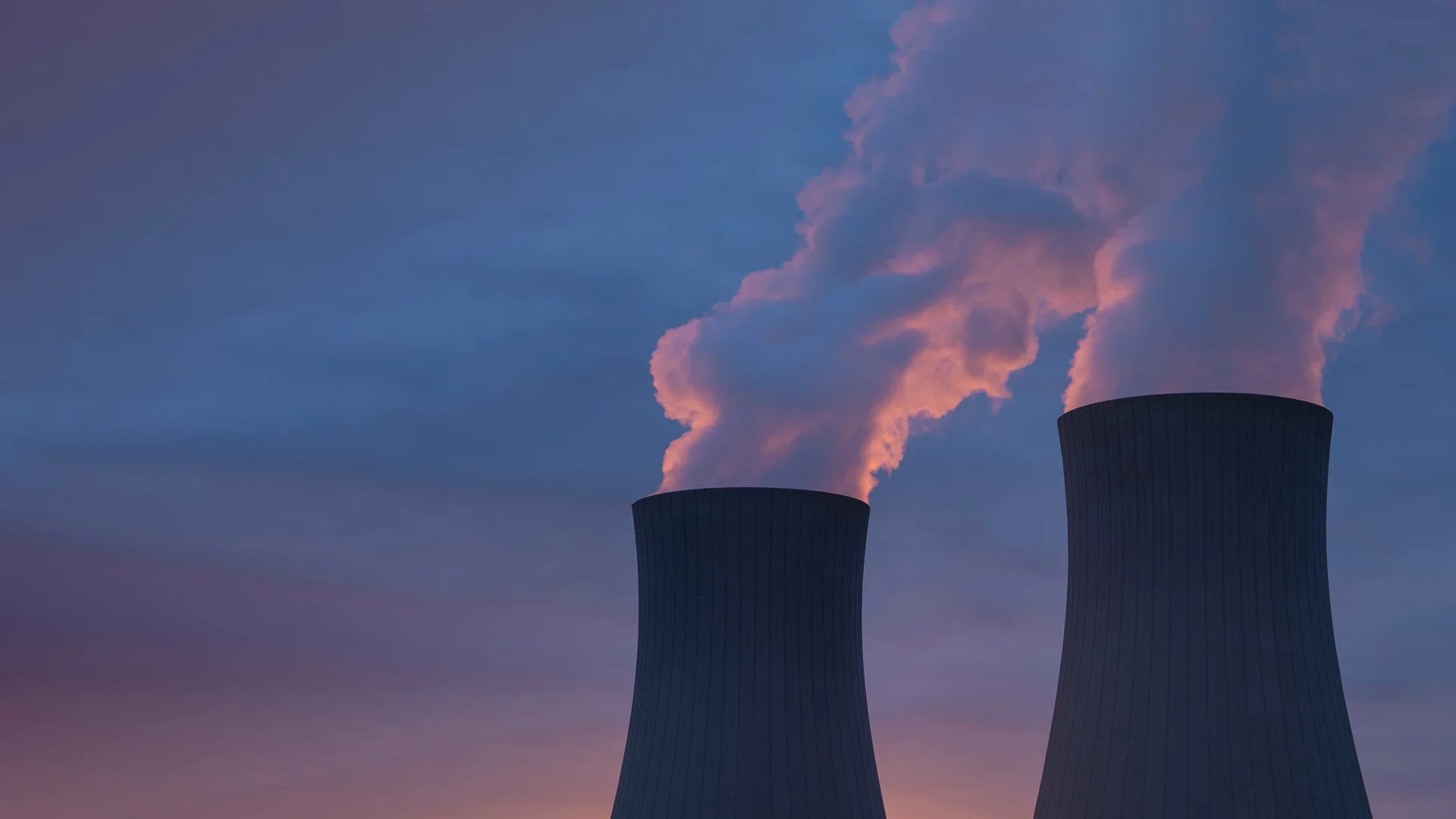
The foundation of the UAE nuclear expansion strategy remains the Barakah Nuclear Energy Plant. The facility’s four APR-1400 reactors are now fully operational and produce about 40 terawatt-hours of electricity each year.
Barakah supplies roughly one-quarter of the country’s electricity needs and has become a major source of carbon-free power. The plant has also reduced reliance on imported liquefied natural gas and helped support national efforts to cut emissions.
The project is widely viewed as a milestone for the Gulf region. It demonstrated the ability of a Middle Eastern country to develop and operate a large-scale civil nuclear program under international oversight and regulatory standards.
Attention is now shifting toward future growth. The Federal Authority for Nuclear Regulation has launched a regulatory framework covering the coming years, creating the foundation for possible capacity expansion.
Industry forecasts suggest that electricity demand in the UAE will continue rising significantly. Growth in artificial intelligence infrastructure, advanced manufacturing, digital services, and large data centers is expected to increase the need for stable and reliable power supplies.
To meet that demand, the Emirates Nuclear Energy Corporation, known as ENEC, is evaluating options that could increase the country’s nuclear generating capacity. Future projects may include both large reactors and advanced nuclear technologies.
One major focus is the development of small modular reactors, often known as SMRs. These reactors are designed to be smaller, more flexible, and faster to deploy than traditional nuclear plants.
ENEC has been studying the potential use of the BWRX-300 reactor developed by GE Vernova Hitachi Nuclear Energy. The technology could support growing energy needs in technology centers and industrial zones while providing reliable low-carbon electricity.
Officials are also exploring the use of SMRs for hydrogen production and other industrial applications. The goal is to create new energy systems that combine electricity generation with clean fuel production.
Another area of interest involves advanced modular reactors and micro-reactors. These systems are designed to operate in remote locations and provide energy where conventional infrastructure may be limited.
One proposed technology is the KRONOS micro-modular reactor. The reactor is designed to operate without traditional water-cooling systems and could be deployed at industrial facilities, mining sites, and remote energy projects.
The UAE is also studying how nuclear technology can support maritime decarbonization. As one of the world’s leading shipping and logistics hubs, the country is seeking ways to reduce emissions from ports and maritime operations.
Advanced reactors could provide electricity directly to major ports, allowing ships to connect to clean shore-side power while docked. This approach could reduce fuel consumption and lower emissions from port activities.
Nuclear-generated heat may also help produce alternative fuels such as hydrogen, ammonia, and synthetic fuels. These products are increasingly viewed as important tools for reducing emissions in global shipping.
Another defining feature of the UAE nuclear expansion strategy is its approach to the nuclear fuel cycle. Since launching its civil nuclear program, the UAE has maintained a policy of not enriching uranium or reprocessing spent nuclear fuel domestically.
Instead, the country relies on international fuel suppliers and follows a model based on transparency, international cooperation, and regulatory oversight. Supporters say this approach has strengthened confidence in the UAE’s nuclear program.
The strategy stands in contrast to recent developments elsewhere in the region. Saudi Arabia’s new civil nuclear cooperation agreement with the United States allows for future studies related to domestic enrichment, creating a different framework for nuclear development.
As regional energy demand continues to grow, the UAE is expanding partnerships with international nuclear companies and investors. ENEC has already increased its involvement in projects across several countries, reflecting its ambition to become a global participant in the nuclear sector.
The UAE nuclear expansion strategy highlights the country’s broader effort to combine energy security, economic development, and climate goals. With advanced reactors, industrial applications, and international partnerships under consideration, the UAE is positioning nuclear energy as a central part of its long-term growth and clean energy future.

