


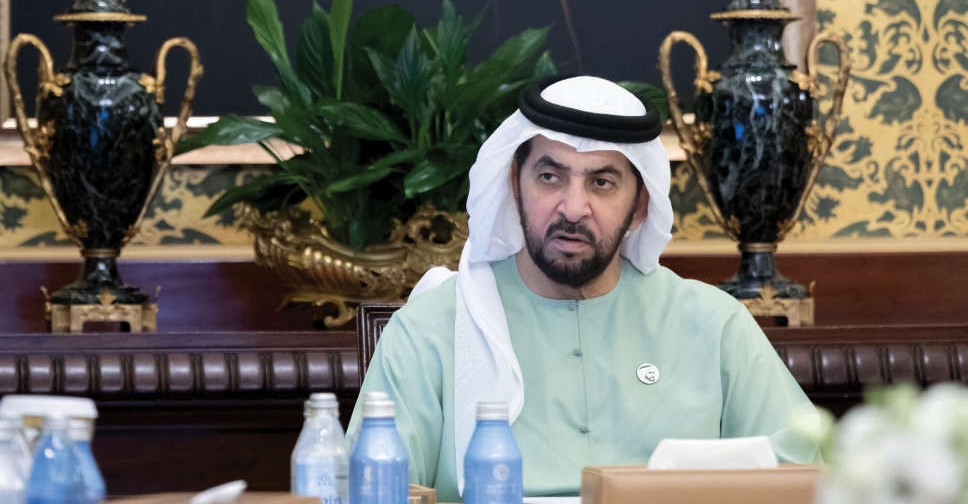
A high-level meeting in Abu Dhabi reviewed strong progress in environmental protection, biodiversity work, and long-term sustainability programs across the emirate. The session highlighted key achievements in air quality, marine protection, and natural resource management.
The meeting was held at Al Nakheel Palace and was chaired by Sheikh Hamdan bin Zayed Al Nahyan. He reviewed updates on environmental performance and praised ongoing national efforts to protect natural resources and support sustainable development.
Officials presented a wide range of environmental indicators showing strong results. Air quality compliance reached 98 percent, while marine microbial water quality achieved a perfect score of 100 percent. The Sustainable Fishing Index also maintained a full 100 percent rating, showing continued stability in marine ecosystems.
The board also discussed water security measures aimed at strengthening long-term resilience. This included groundwater studies in Al Dhafra and Al Ain, along with new governance plans for better groundwater management across the emirate.
Biodiversity protection projects were also a key focus. More than 10 million seeds have been distributed through aerial planting programs designed to restore vegetation and improve natural habitats across large desert areas. These efforts aim to increase green cover and support native wildlife.
Marine conservation work continues to expand rapidly. The Environment Agency – Abu Dhabi reported that its coral restoration program, known as Abu Dhabi Coral Gardens, has cultivated more than 302,000 coral colonies this year alone. Since the start of the project, the total has reached around 1.8 million coral colonies.
The agency’s research vessel, named Jaywun, has also played an important role in scientific monitoring. In 2026, it completed nearly 2,900 kilometers of surveys, collecting data from 81 environmental sites. Since its launch in 2023, the vessel has traveled more than 50,000 kilometers to support marine research.
On land, environmental monitoring efforts have increased significantly. Authorities carried out about 14,000 patrols in protected areas and nearby habitats. These patrols led to the identification of around 400 environmental violations.
Efforts to control invasive and harmful species also rose sharply, with around 870 interventions carried out. This marks a 55 percent increase compared to earlier periods, showing stronger enforcement and monitoring activity.
Regulatory work also continued during the reporting period. Around 2,400 environmental licenses were issued, and more than 1,200 inspections were conducted. The overall environmental compliance rate reached 89 percent, reflecting steady adherence to regulations.
Technology is also playing a growing role in environmental protection. Using artificial intelligence tools, authorities identified 181 illegal waste dumping sites and removed them. Officials also developed what they described as the region’s first roadmap to address cross-border pollution affecting air and marine environments.
In addition, updates were shared from the Abu Dhabi Falcon Hospital. The facility treated around 1,700 falcons between January and May this year and completed more than 29,000 laboratory tests, highlighting ongoing wildlife care efforts.
Sheikh Hamdan praised the overall environmental performance, stressing the importance of science, innovation, and cooperation in protecting natural ecosystems. He said these efforts support Abu Dhabi’s long-term vision for sustainability and environmental balance across land and sea.

