


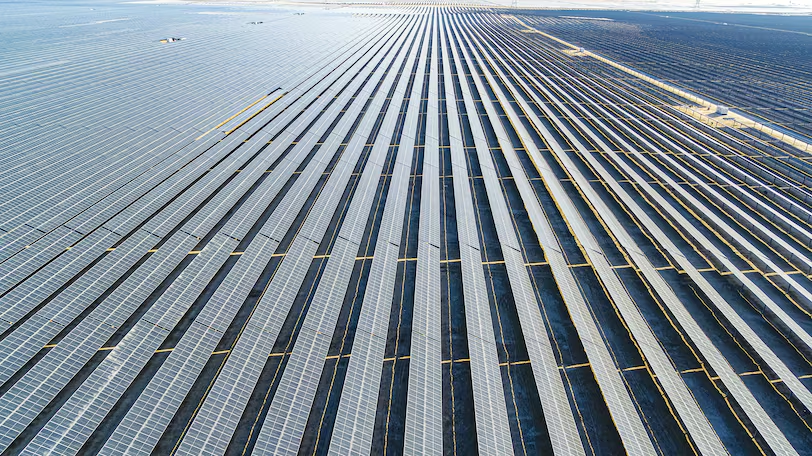
Abu Dhabi is entering a new phase in its long term energy plan as the emirate brings together clean power, artificial intelligence and industry. The goal is to build a stronger energy system while cutting emissions and supporting future economic growth. The move is part of a wider plan to make the emirate’s economy more diverse and ready for new technology.
Abu Dhabi has long been one of the world’s major oil and gas centers. Energy remains a key part of its economy. But the emirate is also investing in new forms of power, with solar energy playing a major role in the change. Abu Dhabi has large areas of open land and strong sunlight for much of the year, giving it a strong base for large solar projects.
Clean power can also support the growth of new industries. One area receiving more attention is artificial intelligence. AI systems need large amounts of electricity, while data centers can use huge amounts of power to run computer systems and keep them cool. This makes energy planning an important part of the global AI race. Abu Dhabi wants to build an economy that can support technology as well as industry, and reliable power will be needed to make that possible.
The emirate is therefore looking at energy as more than a way to keep homes and offices running. It is also treating energy as a key part of future economic growth. The plan includes a mix of energy sources. Oil and gas will remain important, while clean energy is expected to play a larger role. This approach allows Abu Dhabi to develop new power sources without moving away from its existing energy base too quickly.
The emirate has set long term goals for its energy system. Its 2050 target is part of a wider effort to cut emissions and improve the way power is produced and used. The shift is also linked to Abu Dhabi’s economic plans. The emirate wants to attract new firms and create new jobs. Technology companies need reliable power and strong digital systems, while factories need stable energy supplies. A modern energy system can therefore help Abu Dhabi compete for investment.
Artificial intelligence may also help improve the energy system itself. AI can study large amounts of data and help predict demand. It can also find ways to reduce waste. AI may help power companies manage solar energy when sunlight changes during the day. That could make clean power easier to use and improve the way electricity moves through the system.
Energy storage is another key issue. Solar power does not produce the same amount of electricity at all times. Production is strongest when the sun is high. Storage systems can save extra power and release it when demand rises. This can make renewable energy more useful and help provide stable power when solar output is lower.
Abu Dhabi is also looking at the link between energy and industry. Clean power can help companies reduce emissions. That may become more important as global firms face new climate rules. Companies that sell goods abroad may need to show that their products are made with lower emissions. Abu Dhabi could gain an advantage if it can offer reliable clean energy to those firms.
The energy shift is not without challenges. Building new power plants and networks costs money. Large solar projects also need land and strong links to the power grid. AI data centers can create another challenge because they use large amounts of electricity. The emirate will need to increase power supply while keeping the system stable.
Water use is another issue. Many power systems need water for cooling. Abu Dhabi has a hot and dry climate, so water must be managed with care. This means energy planning must also work with wider environmental plans. The emirate must keep power supplies stable for homes and businesses, especially during the hottest months of the year.
The long term plan is therefore about balance. Abu Dhabi wants to keep its strong energy sector while building new areas of growth. It also wants to reduce emissions without slowing economic development. That is a major task, but the emirate has large financial resources, energy knowledge, open land and strong links to global markets.
The change will not happen overnight. The 2050 goal gives the emirate time to develop new projects and improve existing systems. The success of the plan will depend on investment, technology and careful planning. For Abu Dhabi, the energy sector is no longer only about oil and gas. It is becoming a mix of clean power, digital tools, industry and new technology.
That shift could shape the emirate’s economy for decades. If the plan succeeds, Abu Dhabi could remain a major global energy center while also becoming a stronger hub for clean energy and advanced technology.

