


The United Arab Emirates issued a strong denial this week regarding its growing role across Africa. Official representatives rejected reports suggesting the nation holds imperial ambitions. The pushback followed articles detailing its expanding economic and military footprint.
Emirati official Afra al-Hameli responded directly to the news coverage. She stated that describing these partnerships as imperial is patronizing to African nations. She added that African governments freely negotiate agreements to serve their own national interests.
The original investigation highlighted how Emirati organizations operate key logistics, ports, and agricultural deals. Entities like DP World now run or develop maritime hubs in 13 African countries. Their distribution operations stretch across more than 25 states.
Investment groups from the region have also placed billions of dollars into resource mining. Projects focus on copper in Zambia, iron ore in Mauritania, and gold in several regions. Observers note that these moves make the country a very influential foreign power across the continent.
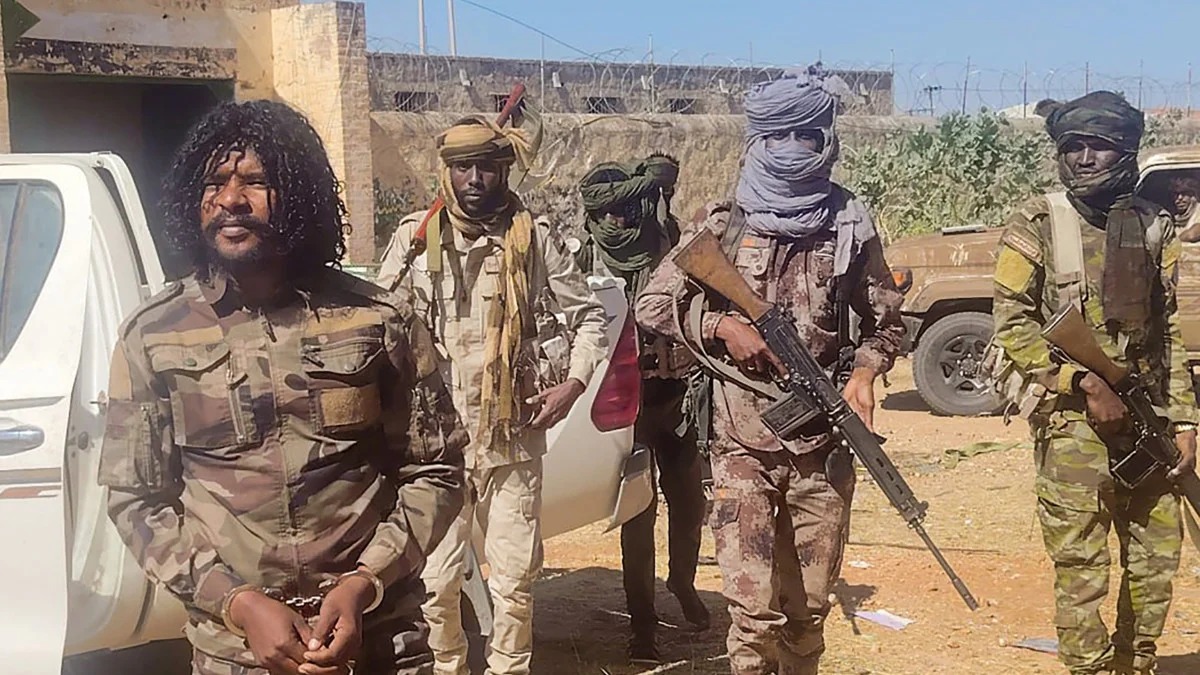
Reports also raised serious questions about security and military links in active conflict zones. Evidence points to networks supplying military cargo and support in Sudan. Human rights groups and international observers have documented these supply paths through regional partners.
Analysts pointed out key flaws in the official denial statement. Former government intelligence experts noted that commercial deals and strategic ambitions often happen at the same time. They stated that economic gains frequently help build long-term political control.
Tensions surrounding foreign influence in Africa continue to draw global attention. Governments across the region maintain that their commercial trade deals are valid and beneficial. Meanwhile, policy experts continue to track how these large investments reshape regional security and global supply chains.

