


Abu Dhabi’s main stock market fell on Friday as investors reacted to rising regional tensions and fresh pressure on trade routes. The main index dropped 0.7 per cent, adding to concerns about the outlook for Gulf markets.
The fall came as uncertainty around the wider Middle East remained high. Investors were watching developments linked to the United States and Iran, along with changes in shipping traffic through the Strait of Hormuz.
The waterway is a key route for global oil trade. Any long disruption can affect energy prices, shipping costs and business activity across the Gulf. A sharp drop in shipping traffic has therefore added to investor concerns.
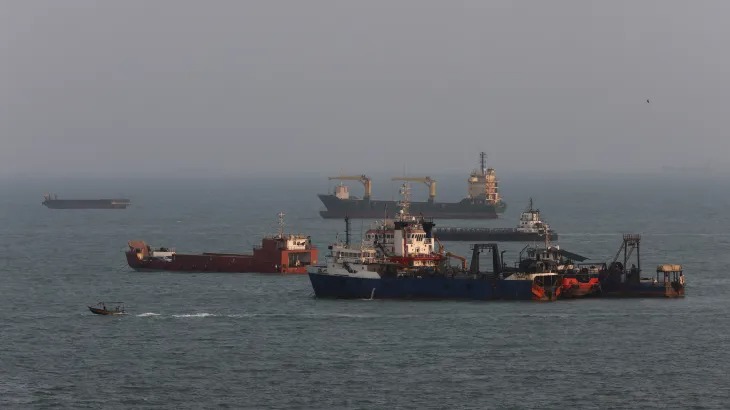
Only seven commodity ships were reported to have moved through the Strait of Hormuz during the session. That was about half the number recorded the previous day. The change showed how quickly regional risks can affect trade flows.
Several major Abu Dhabi companies came under pressure. International Holding Company fell 1.9 per cent, while Alpha Dhabi Holding lost 1.7 per cent. These declines helped push the main index lower.
The market did have some positive moves. Abu Dhabi Islamic Bank gained 1.3 per cent after the bank announced the appointment of a new chief artificial intelligence officer. The rise helped limit some of the wider losses.
Even so, the overall mood remained cautious. Investors are closely watching regional events because they can affect energy markets, trade and company costs. The Gulf economy is also closely linked to oil, which makes changes in energy prices important for markets.
Oil prices moved lower during the latest session. Crude prices fell 0.5 per cent to about 93.30 dollars a barrel. A drop in oil prices can also influence investor sentiment in major energy producing economies.
The Abu Dhabi market has faced pressure for several sessions. The main index recorded a weekly loss of 0.4 per cent. It was the second week in a row that the index ended lower.
Dubai’s market showed a different trend. Its main index gained 0.3 per cent on Friday. Gains in some large companies helped the market recover after two days of losses. Still, uncertainty remained across the wider Gulf.
The latest fall does not mean that Abu Dhabi’s economy is in broad decline. Stock markets can move sharply because of short term investor concerns. Regional security risks can also cause traders to reduce risk even when the wider economy remains stable.
The Strait of Hormuz remains a key issue for investors. The route carries a large share of global oil and gas shipments. Any disruption can affect markets far beyond the Gulf.
Businesses also watch the route because shipping delays can raise costs. Higher transport costs can affect energy firms, manufacturers and other companies that depend on steady trade.
For Abu Dhabi, the market reaction shows how closely local finance remains tied to regional events. Investors are likely to keep watching oil prices, shipping activity and diplomatic moves in the days ahead.
The market may remain sensitive while uncertainty continues. A reduction in tensions could improve investor confidence. Further disruption could create more pressure.
For now, the Abu Dhabi market remains under close watch. Friday’s 0.7 per cent fall reflects the caution that has spread through the market as regional risks remain high.

