


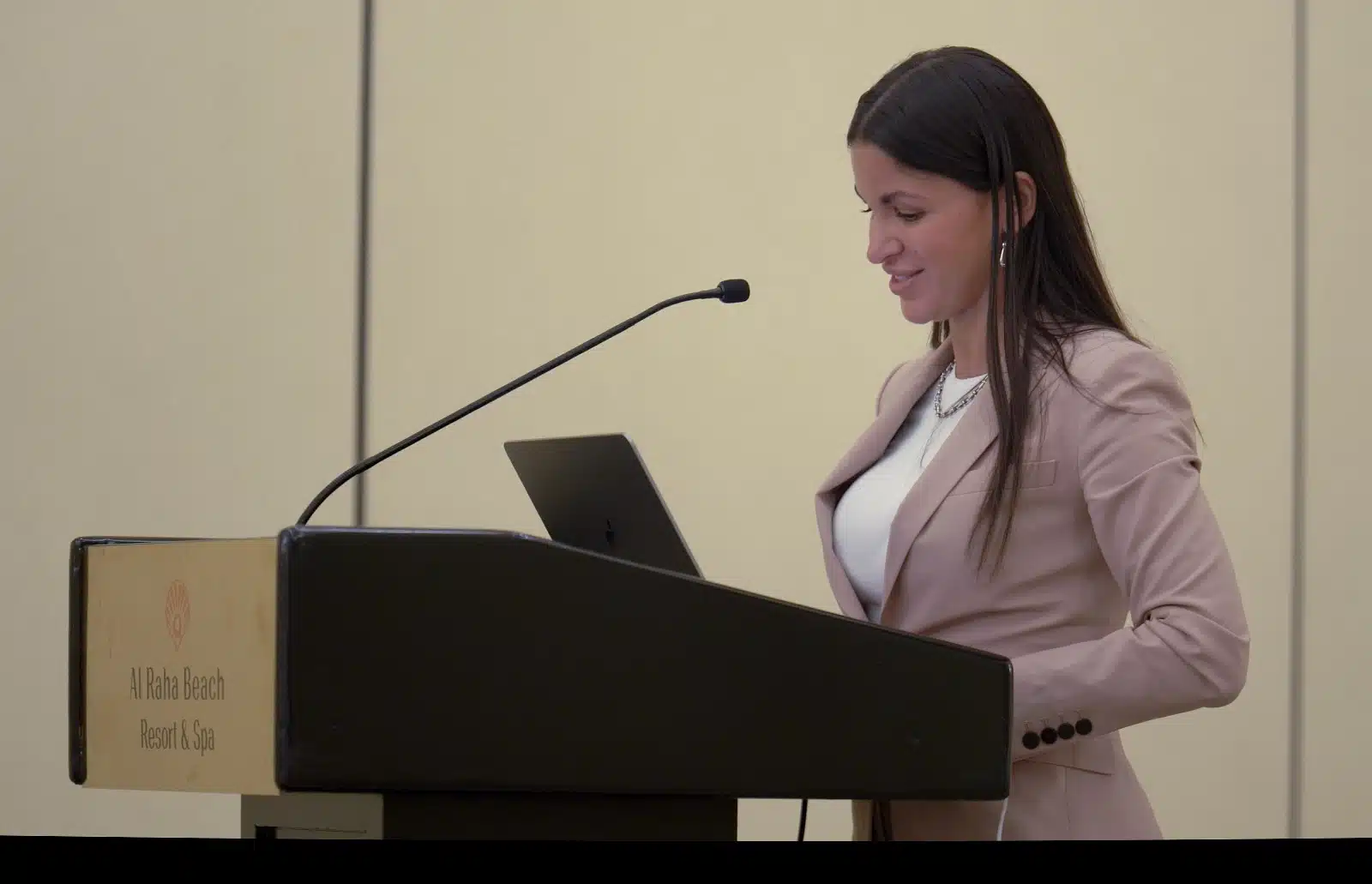
A recent CAM Abu Dhabi visit has placed global cooperation against antisemitism, extremism, and online radicalization in focus. The visit brought senior representatives from the Combat Antisemitism Movement into key meetings and public events across Abu Dhabi. The discussions highlighted the growing role of digital platforms and artificial intelligence in spreading hate and misinformation.
The delegation included Combat Antisemitism Movement Executive Director of European Affairs Shannon Seban and Public Affairs Officer Natalie Sanandaji. Their agenda focused on strengthening cross-border cooperation and improving responses to online extremist content.
A major part of the visit was participation in the 3rd International Dialogue of Civilizations and Tolerance Conference. The event focused on the theme “The Impact of New Media and AI on Family and Community.” Policymakers, researchers, and civil society groups attended the conference to discuss rising digital risks.
Speakers warned that social media and artificial intelligence tools are being used to spread harmful narratives at speed and scale. One concern raised was the rise of fake AI-generated accounts posing as religious figures. These accounts have been seen spreading false information and antisemitic content across platforms such as Instagram, TikTok, and YouTube.
Seban stressed the urgency of addressing digital hate. She said the online space has become a key battleground. She added that technology can either support democracy or increase radicalization if left unchecked. Her message focused on responsibility and stronger oversight of digital platforms.
Sanandaji also spoke about the importance of global unity in responding to online hate. She highlighted the need for cooperation across borders and communities. She said that stronger human connections remain essential in countering division. Her personal experience as a survivor of the Nova music festival attack on October 7 added emotional weight to her message. She emphasized that peacebuilding must focus on dialogue rather than division.
The CAM delegation also took part in a dinner hosted by Women Champions for Change. The event gathered female leaders, entrepreneurs, and activists from the Middle East and other regions. The discussion focused on women’s contributions to peacebuilding and cultural understanding. Participants highlighted the importance of inclusive leadership in addressing global challenges.
During the visit, Seban held meetings with experts in the UAE working on extremism, counter-terrorism, and social resilience. One of the key engagements was with TRENDS Research & Advisory. The discussions focused on future cooperation in studying radical ideologies and improving early detection of extremist influence.
Seban also spoke about concerns related to extremist networks and ideological movements in Europe. She emphasized the need for stronger research, education, and international coordination. Her comments underlined the importance of combining security efforts with academic and social strategies.
She also met with academic and policy experts including Dr. Ali Rashid Al Nuaimi and researchers from Mohamed bin Zayed University of Artificial Intelligence. These meetings focused on building stronger knowledge networks and improving understanding of online radicalization trends.
The visit concluded with a luncheon hosted by UAE Minister of Tolerance and Coexistence Sheikh Nahyan bin Mubarak Al Nahyan. The gathering included diplomats, researchers, and international partners. Discussions focused on the United Arab Emirates’ approach to tolerance, coexistence, and social stability.
Participants described the UAE model as one built on openness and mutual respect. The CAM delegation highlighted the importance of continued dialogue and shared responsibility in tackling global extremism challenges.
Across all engagements, the CAM Abu Dhabi visit reinforced a shared message. Digital safety, education, and international cooperation are essential tools in addressing rising online hate. The discussions also reflected growing concern about how rapidly technology is changing the landscape of extremism.
The visit is expected to support future collaboration between advocacy groups, governments, and research institutions. It also signals ongoing efforts to strengthen global networks that can respond more effectively to antisemitism and extremist content in the digital age.

