


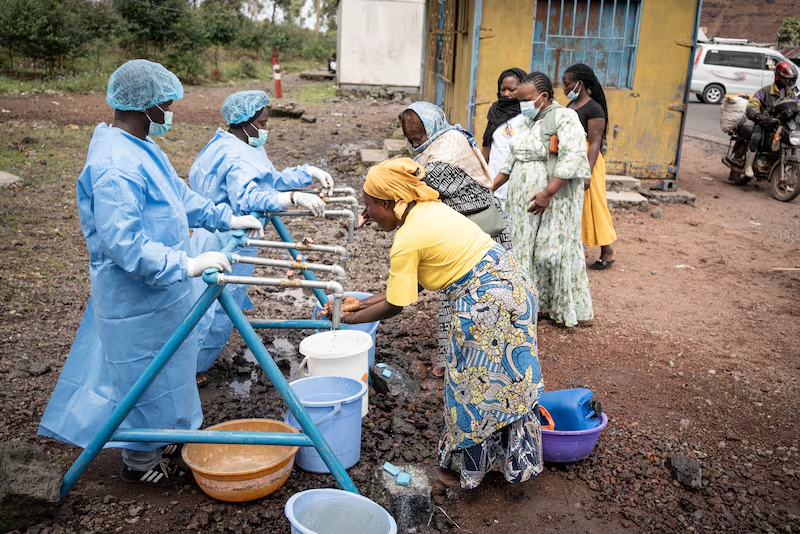
The Ebola travel warning UAE has been issued by authorities as concern grows over a fresh outbreak of the deadly virus in parts of Africa. The United Arab Emirates has told its citizens to avoid travel to three countries. These are the Democratic Republic of the Congo, Uganda, and South Sudan. Officials said travel should be avoided unless it is absolutely necessary. The warning comes as global health agencies report rising infections and deaths linked to the virus.
The Ministry of Foreign Affairs said Emiratis who are already in these countries must stay very careful. They were told to follow all safety rules set by local health authorities. Citizens were also advised to register with the Twajudi service. This service helps UAE nationals abroad during emergencies. The ministry said citizens should stay in contact and seek help if needed.
Health officials in the UAE also said they are ready to respond to any health threat linked to Ebola. The Ministry of Health and Prevention said it is monitoring the situation closely. It added that systems are in place to manage any possible cases or emergencies linked to the virus. The government stressed that public safety remains the top priority.
The warning follows growing concern from the World Health Organisation. The WHO said the outbreak has become a serious public health issue. It reported that there are 906 suspected Ebola cases in the Democratic Republic of the Congo alone. At least 223 deaths are under investigation. Health experts say the real numbers may change as more testing continues.
WHO officials also warned about the high death rate linked to the virus. They said it can range from 30 percent to 50 percent in confirmed cases. This means that many infected people may not survive. Experts added that early treatment can improve survival chances. But access to care remains a challenge in affected areas.
The outbreak has also spread to Uganda, where nine confirmed cases have been reported. Health workers are trying to contain the virus before it spreads further. Officials say the strain involved is the Bundibugyo Ebola virus. This strain is rare and does not have an approved vaccine. That has increased concern among global health experts.
The situation in parts of central Africa is also made worse by conflict. In the eastern regions of the Democratic Republic of the Congo, ongoing fighting has displaced millions of people. The United Nations refugee agency says more than two million people have been forced to leave their homes in affected areas like Ituri and North Kivu. This makes disease control more difficult.
International reactions have also increased. Some countries have already imposed travel restrictions linked to the outbreak. Bahrain and Jordan have introduced bans on travel from the affected regions. These measures are aimed at reducing the risk of imported cases. Health checks and entry controls are also being used for returning travelers.
Ebola virus disease is a serious illness that spreads through contact with infected bodily fluids. It often starts with flu-like symptoms such as fever, headache, and fatigue. In later stages, it can cause vomiting, diarrhea, and internal bleeding. The virus can spread quickly in close-contact settings, especially where medical care is limited.
The Bundibugyo strain is especially concerning because no approved vaccine exists for it. Health experts say efforts are now focused on early detection, isolation of patients, contact tracing, and safe burial practices. Public awareness campaigns are also being used to slow down the spread.
The Ebola travel warning UAE reflects rising global concern over the outbreak. Authorities continue to monitor the situation and urge citizens to stay informed and cautious while international health teams work to contain the virus.

