


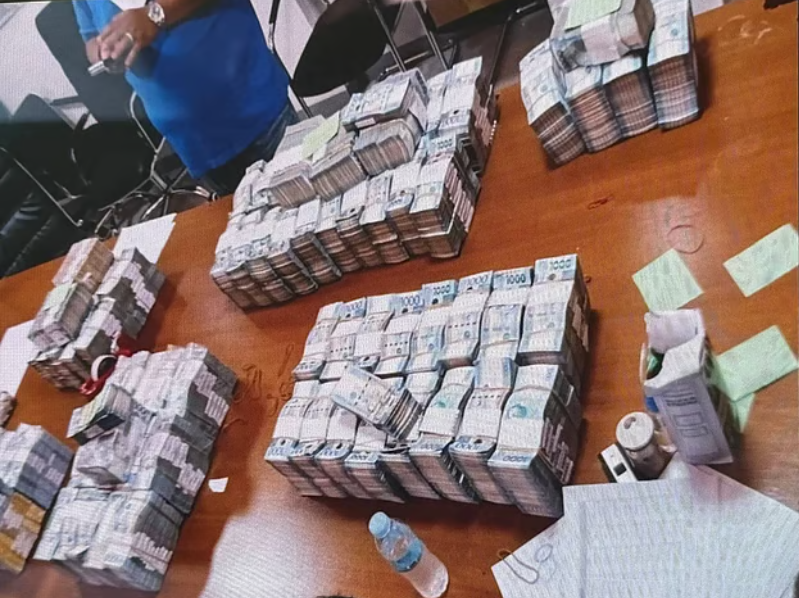
The Philippines confronts a pervasive culture of impunity, often likened to an “anting-anting” that seemingly shields corrupt officials from accountability. Despite numerous exposés, audit reports, and convictions, many politicians consistently return to power, rebranding their images and perpetuating a cycle where wrongdoing goes unpunished. This deeply ingrained issue, paralleled by untouchable cultural phenomena like sabong, highlights powerful forces that impede justice. The urgent call for a robust Whistleblower Protection Law, supported by the United Nations, seeks to dismantle this perceived invincibility of corrupt elites and foster genuine governance reform.
Scholarly analyses consistently highlight the personality-driven nature of Philippine politics, defined by “patronage democracy” and powerful elite families who maintain influence across generations despite scandals. Weak party systems enable individuals to detach from past misdeeds and rebrand through new alliances. This cycle of impunity is further cemented by concentrated political power and a “smallism” mindset, where citizens feel unable to challenge entrenched authority. Historical events, from the Marcos Sr. dictatorship to recent allegations concerning former President Duterte, illustrate how dynastic politics and weak accountability intertwine, making it consistently difficult to investigate powerful figures.
Currently, insiders rarely expose wrongdoing in the Philippines due to severe retaliation—lawsuits, threats, social isolation, forced hiding, or recantations under pressure. Without strong legal safeguards, truth-telling becomes an act of immense personal sacrifice. This starkly contrasts with nations like the US and South Korea, where robust whistleblower protections have unearthed massive frauds and political corruption by shielding and incentivizing truth-tellers. The Philippines’ current reliance on ad hoc, reactive witness protection is insufficient, leaving potential whistleblowers vulnerable and deterring the crucial evidence needed to expose systemic corruption.
Implementing a comprehensive Whistleblower Protection Law would establish independent reporting channels and safeguard individuals from dismissal and retaliation, fundamentally transforming accountability. Such a law would empower the hidden voices within the system—accountants, engineers, aides—who witness corruption but remain silent out of fear. By ensuring their safety, the law would strip the “anting-anting” of impunity of its magic, making corrupt systems vulnerable and breaking the cycle of powerful figures returning to office. This would move Philippine democracy beyond reliance on luck and memory, rooting it in truth backed by law, allowing the nation to advance when the honest feel unafraid to speak.

