


DUBAI — Foreign investors are putting billions into African infrastructure. Financial sources report that entities from the United Arab Emirates have announced more than $168 billion in African projects since 2017. The cash targets key areas like mining, ports, agriculture, and green energy.The scale of funding places Gulf entities alongside major economic powers like China and European nations.
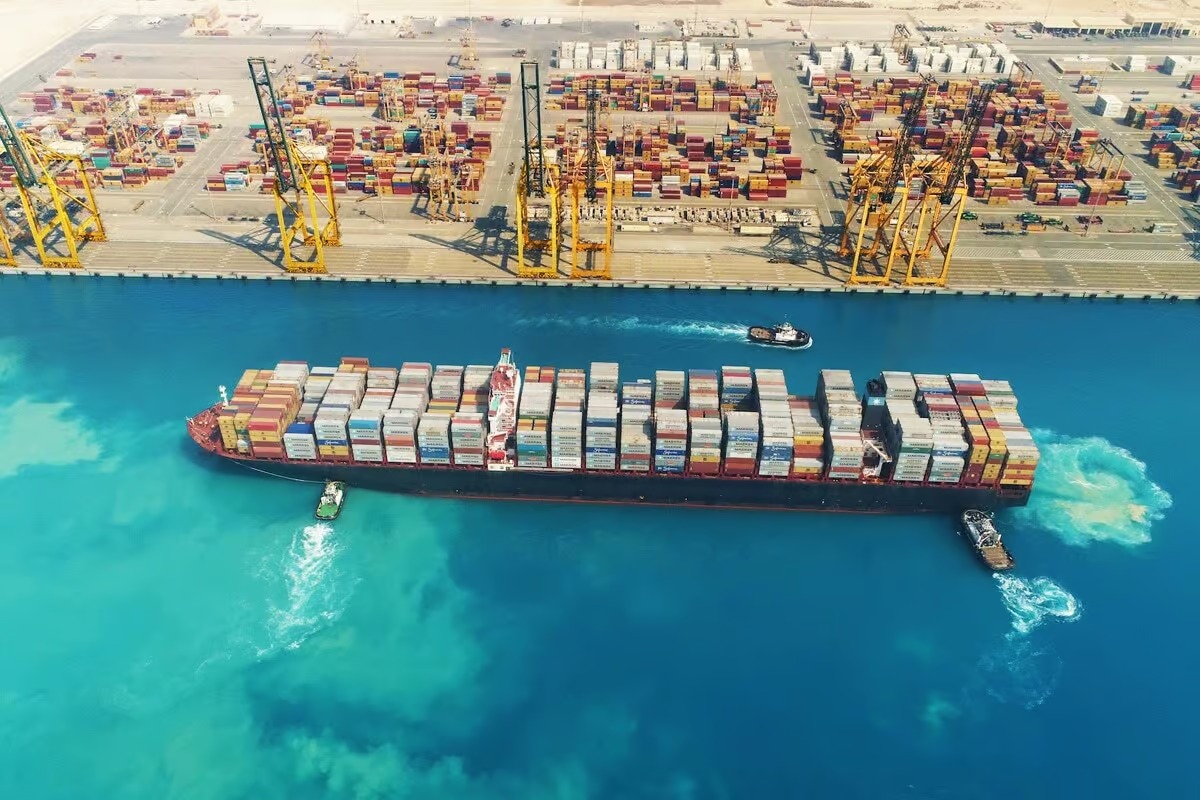
Logistics giants lead this expanding push into regional corridors. Companies like DP World and Abu Dhabi Ports are building out critical maritime networks.They hold operations across ports, inland terminals, and free trade zones.Their projects link remote mines, farms, and industrial sites directly to foreign markets.
African leaders face a strategic choice as these projects grow. Government planners must decide how to turn foreign capital into long-term domestic value. Expanding trade infrastructure can boost local supply networks and cut freight costs. However, raw material export routes can leave little secondary wealth behind if local processing stays weak.
The economic push spans crucial trade nodes across the continent. In Mozambique, DP World expands operations at the strategic Maputo port.In the Democratic Republic of Congo, teams work to construct the nation’s first deep-water maritime terminal.Further east, the upgrade of Somaliland’s Berbera port helps link landlocked Ethiopia to global shipping lanes.
Critical minerals also drive significant foreign commercial interest. Gulf investment firms actively purchase stakes in vital supply chains. These deals cover key assets from copper and cobalt to global tin production hubs. African ministers want to ensure these agreements include local refining requirements so processing jobs remain inside national borders.
This influx of foreign capital helps narrow a massive local infrastructure deficit.The African Development Bank estimates the continent’s annual funding gap at over $130 billion. Direct foreign investment offers immediate capital for major power, road, and port projects. These developments help modernize logistics without placing additional strain on domestic taxpayers.
Yet execution risks can complicate these multi-billion-dollar promises.Industry analysts note that announced pipelines do not always match actual spent cash. Project delays, regional policy shifts, and tough global market conditions can stall ambitious efforts. Successful delivery depends on stable long-term agreements between investors and host governments.
Competing offers give host countries strong bargaining power. Saudi Arabia, China, and Western powers also seek strategic logistics assets across regional trade routes.African negotiators can leverage this competition to win better terms on worker training, local hiring, and domestic supplier usage.
The long-term economic outcome will be decided project by project. Foreign capital can quickly construct terminals, but local laws determine who gains lasting value. Nations that require domestic processing and open logistics networks will build self-sustaining economic growth.
Trade ministers continue to refine terms before signing final concessions. Leaders recognize that modern ports must serve domestic factories and local farms, not just foreign export lines. Strategic management of Gulf investment in Africa will shape regional trade for decades to come.

