


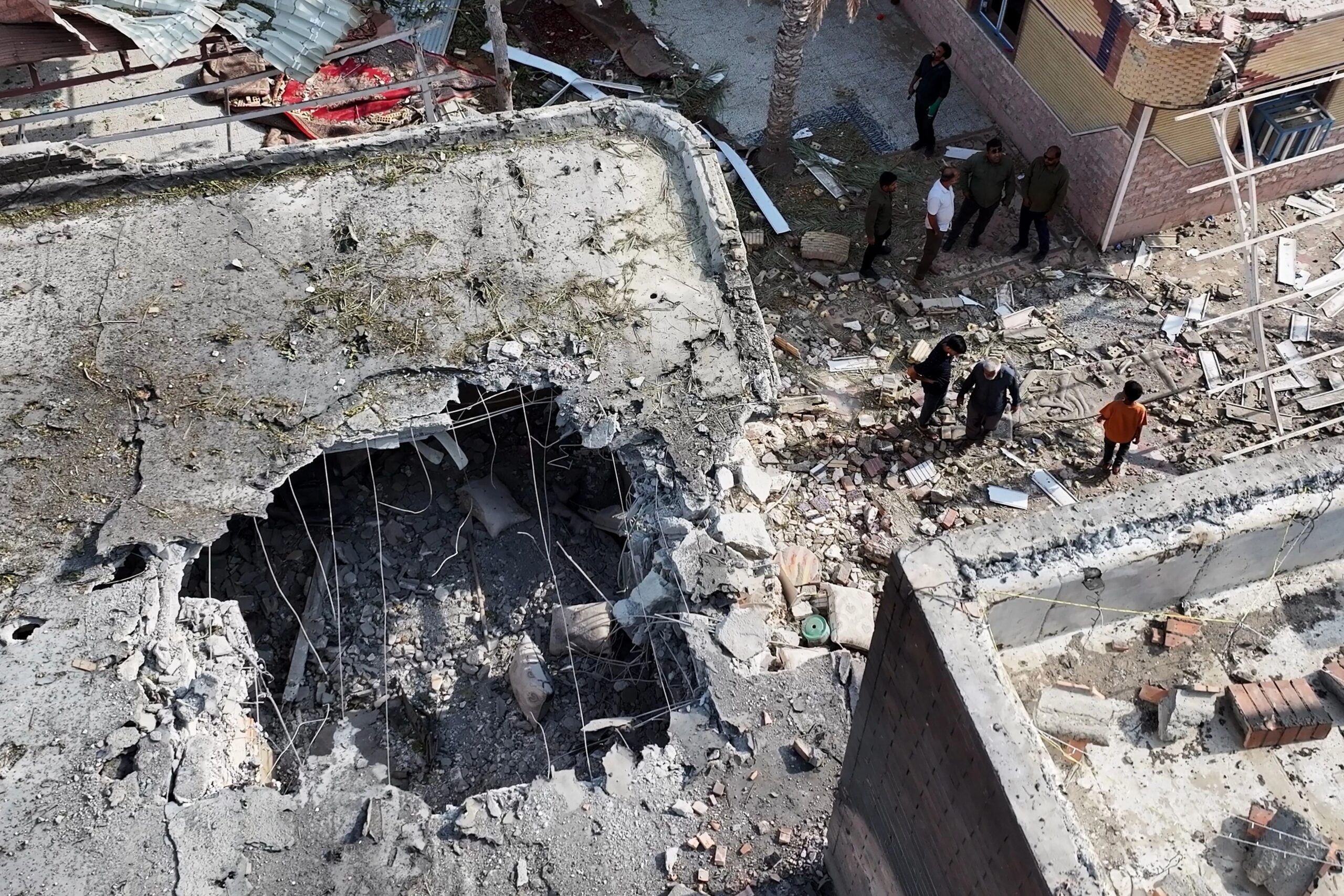
A new Pentagon watchdog report has revealed that U.S. diplomatic facilities in four Gulf countries suffered an estimated $184 million in damage from Iranian military attacks during the ongoing conflict between the United States, Israel, and Iran.
The report, released on Monday, provides one of the clearest assessments so far of the impact Iranian strikes have had on American diplomatic operations in the region. The damaged facilities are located in Iraq, Kuwait, Saudi Arabia, and the United Arab Emirates.
According to the findings, Iraq experienced the largest share of the losses. U.S. diplomatic sites there suffered more than $157 million in damage. Kuwait recorded more than $14 million in losses, while facilities in Saudi Arabia sustained about $11.5 million in damage. The report estimated that the U.S. diplomatic mission in the UAE suffered roughly $125,000 in damage.
The Pentagon watchdog said American diplomatic facilities in Iraq faced more than 600 attacks linked to Iran during the reporting period. Those attacks contributed heavily to the overall cost of repairs and recovery efforts.
The report is the first major review issued since the conflict began in late February. Fighting escalated after the United States and Israel launched military operations against Iran, leading to months of exchanges involving missiles, drones, and other attacks across the region.
Iran has targeted U.S. military installations throughout the Gulf during the conflict. However, the report noted that diplomatic and intelligence facilities have also become important targets, resulting in significant damage to American operations.
The Pentagon estimated that the war cost the United States about $33.4 billion between Feb. 28 and June 29. That figure covers military operations and related expenses but does not include long-term infrastructure repair costs.
As a result, the total financial impact of the conflict is expected to rise further as assessments continue and damaged facilities undergo reconstruction.
In July, Defense Secretary Pete Hegseth told lawmakers that the estimated cost of the war had reached $37.5 billion. Some defense analysts questioned whether that figure fully reflected the scale of military and infrastructure losses linked to the conflict.
The State Department has also reported growing expenses. As of June 2, it had already recorded approximately $113 million in costs related to the war. Officials noted that damage assessments were still ongoing and warned that the final figure could increase.
Beyond financial losses, the conflict has resulted in significant human costs. According to the report, 18 U.S. service members have been killed since the war began. More than 800 American troops have also been wounded during military operations and attacks across the region.
Despite those losses, roughly 50,000 U.S. troops remain deployed in the Middle East. The administration has not yet presented a detailed plan for ending the military mission or reducing the American presence in the region.
The conflict has become increasingly controversial as casualties and costs continue to rise. Critics have questioned the long-term strategy and expressed concern about the lack of a clear path toward de-escalation.
The report also highlighted damage to U.S. military equipment. More than 50 American aircraft have reportedly been damaged or destroyed since the conflict started.
Among the losses were four F-15E fighter aircraft, seven KC-135 refueling planes, four AH-6 helicopters, and at least 30 MQ-9 Reaper drones. These figures underline the intensity of attacks directed at American military assets throughout the region.
Senior administration officials have often minimized reports about the extent of Iranian strikes. Last week, President Donald Trump rejected reports that American aircraft were damaged during an Iranian attack on Muwaffaq Salti Air Base in Jordan.
The president said there was no damage and dismissed the reports as inaccurate. However, the Pentagon watchdog report suggests that U.S. military assets have experienced substantial losses since the conflict began.
Some officials have publicly acknowledged the seriousness of the attacks. Acting Navy Secretary Hung Cao recently discussed the damage sustained by Naval Support Activity Bahrain, which serves as the headquarters for U.S. Naval Forces Central Command and the U.S. Fifth Fleet.
Cao said the facility experienced significant impacts during the conflict, offering one of the strongest public acknowledgments by a senior official regarding the scale of damage suffered by American installations.
As fighting continues and repair assessments move forward, the overall cost of the war is expected to increase further. The latest report highlights both the financial burden and operational challenges facing the United States as the conflict enters another phase.

