


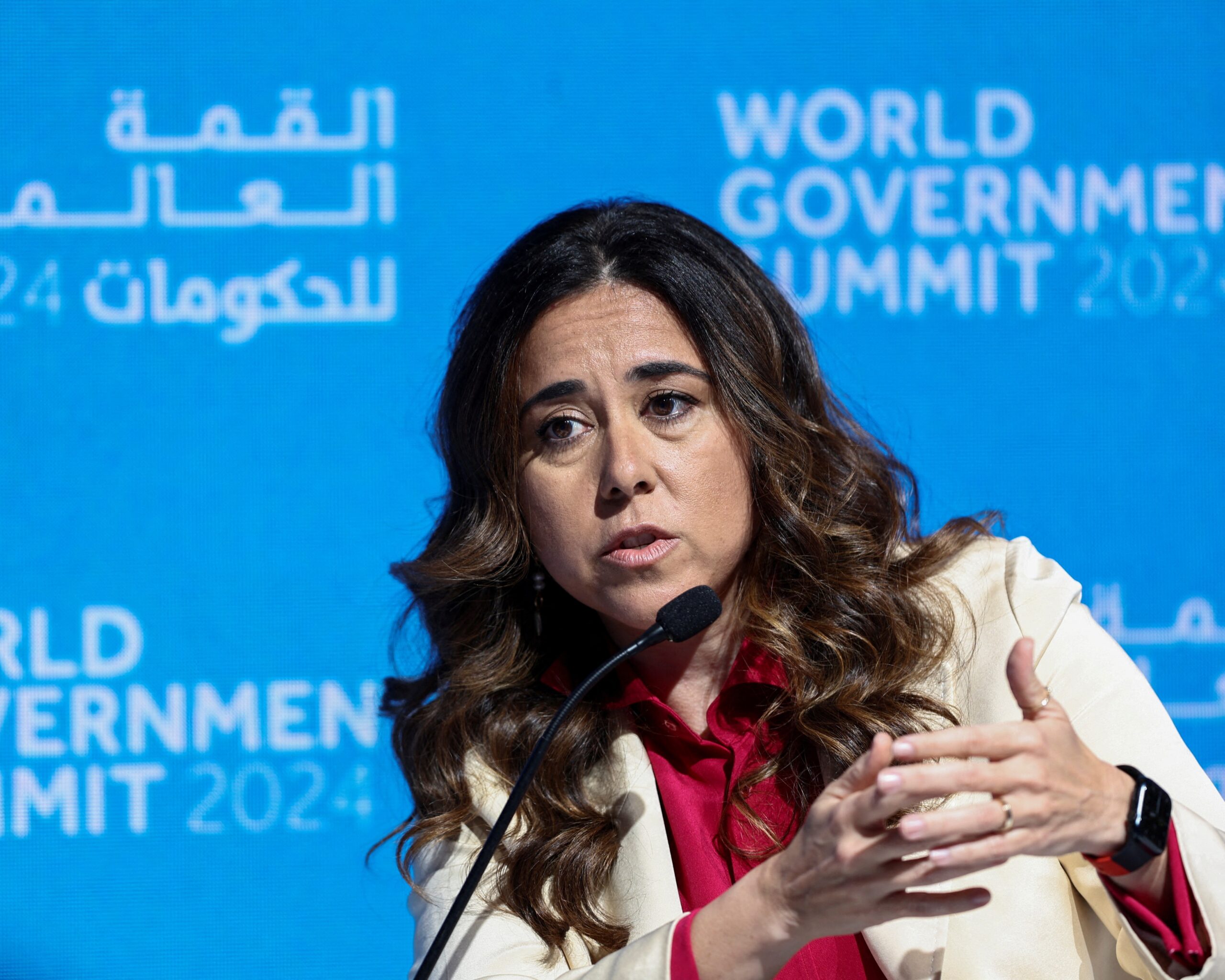
Emirati diplomat Lana Nusseibeh has entered the race to become the next secretary general of the United Nations. Her campaign comes as the selection process faces growing uncertainty over who will replace António Guterres.
Nusseibeh, 48, is known for her work at the UN and her efforts to support humanitarian aid for Gaza. She has also backed a two-state solution to the Israeli-Palestinian conflict. The State of Palestine has endorsed her candidacy.
However, her bid faces strong criticism over the United Arab Emirates’ alleged role in Sudan’s civil war. Critics have raised concerns about claims that the UAE supplied weapons to the Rapid Support Forces, or RSF. The group has been accused of serious abuses, including genocide.
Nusseibeh has been among the leading Emirati diplomats who have rejected claims that the UAE provided weapons to RSF leader Mohamed Hamdan Dagalo, widely known as Hemedti. The allegations remain a major issue for her campaign.
Her late entry has also caused concern among some countries in Latin America and the Caribbean. Their regional grouping, CELAC, has written to the UN Security Council to object to the timing of her candidacy. The group argued that support had been growing for a candidate from their region.
UN Leadership Race Faces Uncertainty
Guterres is due to leave office at the end of the year. The search for his successor has continued through several rounds of voting at the 15-member Security Council.
Nusseibeh said she entered the contest because the council appeared close to a deadlock. Six rounds of voting had taken place, with the latest held on October 16. No candidate had secured a clear lead that could settle the race.
The latest informal vote gave Costa Rican diplomat Rebeca Grynspan the leading position. It was also the first round to show whether any of the five permanent Security Council members objected to a candidate.
Grynspan reportedly received support from nine council members but faced five objections, including objections from two unidentified permanent members. Those results may make it harder for her to emerge as a consensus choice.
Other candidates include Argentine diplomat Rafael Grossi, Guyana’s UN envoy Carolyn Rodrigues-Birkett, veteran Ugandan diplomat Olara Otunnu, and former Ecuadorian foreign minister María Fernanda Espinosa. Two candidates who had previously declared their plans have since withdrawn.
The secretary general serves as the UN’s chief administrative officer and plays a central role in diplomacy, peace efforts and humanitarian work. The selection process requires support from the Security Council before the General Assembly appoints the successful candidate.
Nusseibeh Highlights Need for Global Cooperation
Nusseibeh’s campaign vision focuses on rebuilding trust between countries and making international cooperation more effective. She argues that governments still need to work together, even as confidence in global institutions weakens.
In her vision statement, she said countries must believe that cooperation can deliver useful and lasting results. She called for faster, more certain and more realistic outcomes from the United Nations.
Her supporters point to her diplomatic experience and role in efforts to secure humanitarian assistance for Gaza. During her time as the UAE’s representative at the UN, she worked with other governments on aid and diplomatic initiatives.
Brett McGurk, who served as a senior national security adviser under former US President Joe Biden, praised her work on Gaza. He credited her with helping the UAE become a major provider of humanitarian assistance to Palestinians.
McGurk said her ability to work with people across diplomatic lines made her a strong candidate for the demanding role. His support highlights the importance of humanitarian diplomacy in her campaign.
Nickolay Mladenov, a Bulgarian diplomat who leads US President Donald Trump’s Gaza Board of Peace, also praised her approach. He said she understood the need to build relationships and create cooperation where others had struggled.
Mladenov added that her work at the Security Council showed professionalism and a steady effort to connect different sides. He said she could bring that experience to the UN Secretariat.
Sudan Allegations Create a Major Challenge
Despite the support, Nusseibeh’s campaign faces opposition from human rights advocates. Critics have raised concerns about the UAE’s domestic human rights record and allegations that it has supported the RSF in Sudan.
The RSF has been accused of killing thousands of people during Sudan’s conflict. The group has also faced accusations of widespread abuses, including during its capture of El Fasher in October last year.
A January 2024 report by a UN panel of experts described allegations that weapons were being smuggled from the UAE into the RSF through Chad and Darfur as credible. The claims have remained a source of international concern.
Nusseibeh has rejected allegations that the UAE provided military, logistical, financial or political support to any faction in Sudan. The UAE says it supports efforts to establish a civilian-led government in the country.
Kenneth Roth, the former executive director of Human Rights Watch, has been among the critics challenging her denials. Human rights advocates argue that questions about the UAE’s conduct could affect how countries view her suitability for the UN’s top post.
A Difficult Path to the Secretary General Role
Nusseibeh’s candidacy brings both diplomatic experience and political challenges to the selection process. Her supporters say her work on Gaza and her ability to build relationships across governments make her a serious contender.
Her critics argue that the allegations surrounding Sudan and the UAE’s human rights record require greater scrutiny. The objections from CELAC also show that regional representation remains an important issue in the race.
With no candidate yet clearly positioned to win broad support, the Security Council faces a difficult decision. Nusseibeh’s late entry could reshape the contest, but her chances will depend on whether she can gain enough support from council members.
The final choice will help set the direction of the United Nations at a time of major conflict, humanitarian need and declining trust between governments. The coming rounds of voting are expected to play a key role in deciding who succeeds Guterres.

