


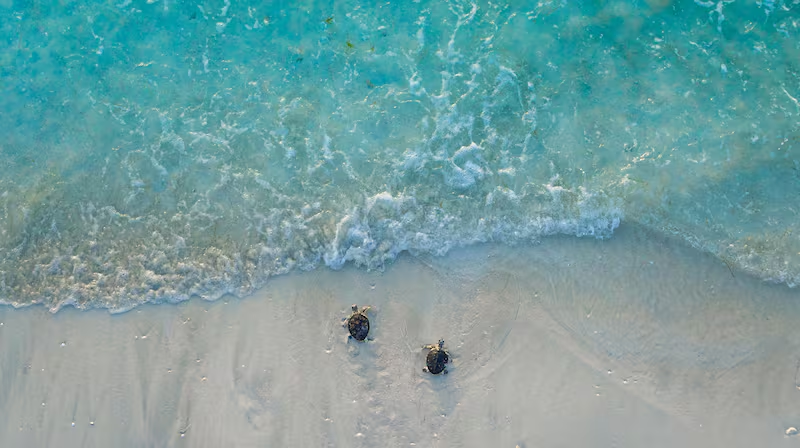
Saadiyat Beach in Abu Dhabi has gained global attention after being named among the world’s best coastlines in a new travel ranking for 2026. The beach is part of the growing tourism appeal of Abu Dhabi, which continues to invest in nature sites and luxury travel. The latest list places it high among top global beaches and highlights its clean water, soft sand, and strong protection efforts.
The beach ranked 19th in The World’s 50 Best Beaches list for 2026. It is one of only two destinations from the Middle East included in the ranking, along with Detwah Lagoon in Yemen. The list was created using votes from more than 1,000 travel professionals, including journalists, content creators, and tourism experts around the world.
Organisers of the ranking praised Saadiyat Beach for its white sand, clear turquoise water, and calm natural setting. The eight-kilometre stretch is known for feeling quiet and clean, offering a strong escape from busy city life in Abu Dhabi. Experts also compared its natural beauty to some beaches in the Caribbean and the Maldives.
Turtle conservation work played a major role in the beach’s ranking. Endangered hawksbill turtles return to Saadiyat Beach each year to nest on its shores. Conservation teams work to protect nests and support safe hatching during nesting seasons.
The waters around Saadiyat Island are part of the Saadiyat Marine National Park, a protected zone covering 59 square kilometres. It is home to dolphins, turtles, and many other marine species. The protected status helps keep the ecosystem healthy and supports long-term conservation goals for Abu Dhabi.
This year’s global ranking placed Entalula Beach in the Philippines at number one. Fteri Beach in Greece came second, followed by Wharton Beach in Australia. The list reflects global voting from travel experts who assessed beauty, water quality, wildlife, and remoteness.
Saadiyat Island is one of Abu Dhabi’s main tourism hubs. It is known for luxury resorts, museums, and cultural landmarks. The island is home to Saadiyat Cultural District, which includes Louvre Abu Dhabi, Zayed National Museum, Natural History Museum Abu Dhabi, and the planned Guggenheim Abu Dhabi.
Saadiyat Beach continues to strengthen Abu Dhabi’s position as a leading global travel destination. With its natural beauty, protected wildlife, and growing tourism infrastructure, it remains one of the most talked-about beaches in the world. As travel experts continue to rank global coastlines, Saadiyat Beach stands out as a symbol of sustainable tourism in the region.
Saadiyat Beach has become an important example of how tourism and nature can work together in Abu Dhabi. Local teams monitor wildlife and keep the shoreline clean. The focus on protection has helped maintain the beach’s natural look. Visitors are asked to respect rules that protect nesting areas and marine life. These efforts support long-term balance between tourism growth and environmental care.
Visitors to Abu Dhabi often plan their activities around the extreme heat. Early mornings and evenings are the most popular times for outdoor visits. Many people choose indoor attractions or beach clubs with cooling systems. Night swimming has also become a growing trend. These options help residents and tourists enjoy the city safely during the long summer season.
Abu Dhabi’s tourism sector continues to grow as global interest increases in Middle Eastern travel destinations. Beaches like Saadiyat Beach play a key role in this growth. The city combines modern attractions, cultural sites, and natural beauty to attract visitors. With strong investment in tourism, Abu Dhabi aims to remain a top global destination for leisure travel.
The recognition of Saadiyat Beach in a global ranking also reflects the UAE’s wider focus on sustainable tourism. Authorities continue to invest in clean energy, protected areas, and cultural development. This combination of nature and modern infrastructure helps attract millions of visitors each year. Experts say such recognition boosts confidence in the region’s tourism future. It also encourages more responsible travel practices among visitors and tour operators.

