


The United Arab Emirates has announced plans to invest 40 billion euros in Germany, marking one of the largest economic commitments between the two countries in recent years. The investment package is expected to strengthen cooperation in artificial intelligence, digital infrastructure, energy, and advanced technology.
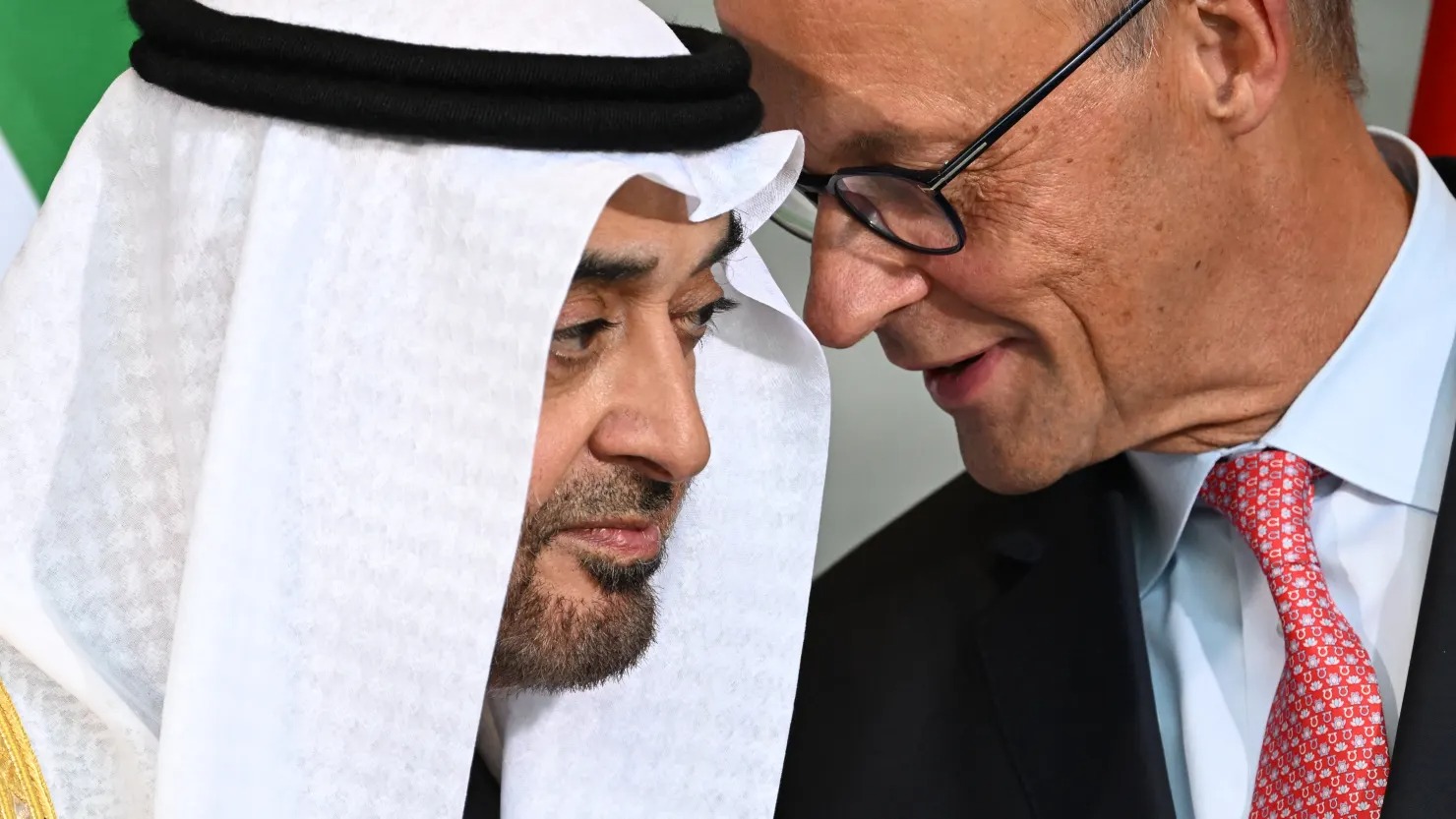
The announcement came during a state visit to Germany by UAE President Sheikh Mohamed bin Zayed Al Nahyan. During the visit, he held talks with German Chancellor Friedrich Merz as both nations sought to expand economic and strategic cooperation.
Under the agreement, the UAE will direct investments into several key sectors that are expected to shape future economic growth. Data center infrastructure will be one of the main areas of focus, reflecting rising demand for digital services and artificial intelligence technologies across Europe.
Officials said the package includes plans for about 1 gigawatt of new data center capacity. The projects are expected to support Germany’s digital transformation efforts and strengthen its position as a technology hub in Europe.
A significant portion of the investment is expected to flow into Bavaria, one of Germany’s leading industrial and technology regions. Reports indicate that around 10 billion euros will be allocated to projects in the southern German state.
Bavaria is home to major manufacturing companies, research institutions, and technology firms. The region plays an important role in Germany’s economy and has increasingly become a center for innovation in digital industries.
Alongside the investment announcement, the UAE and Germany signed a declaration of intent to establish a new investment council. The council will aim to encourage additional investment opportunities and deepen cooperation between public institutions and private companies in both countries.
The agreement highlights growing ties between the Gulf nation and Europe’s largest economy. Over recent years, the UAE has expanded its international investment strategy as it seeks to diversify its economy beyond oil revenues.
Economic experts say the latest commitment reflects the UAE’s broader goal of building long-term partnerships with major global markets.
Paul Musgrave, an associate professor of government at Georgetown University in Qatar, said the UAE is pursuing investments that go beyond financial returns.
According to Musgrave, Abu Dhabi is looking to strengthen its role in global supply chains, increase investment in strategic industries, and build stronger relationships with important economic partners.
He noted that Germany offers opportunities in both advanced manufacturing and high-value industrial sectors. Stronger ties with Germany could also provide the UAE with closer connections to one of Europe’s most influential economies.
For Germany, the investment arrives at a time when policymakers are seeking ways to boost economic activity and attract new capital. Recent economic challenges have increased pressure on the government to support growth and strengthen competitiveness.
Analysts say the investment package could provide a welcome boost for sectors linked to technology, infrastructure, and energy development.
The UAE is already one of Germany’s most important trading partners in the Gulf region. According to figures released by both countries, bilateral non-oil trade reached approximately $15.5 billion in 2025.
Economic relations have expanded steadily over the past decade. UAE investments in Germany currently total about 34 billion euros and span industries such as chemicals, renewable energy, and industrial manufacturing.
The new investment commitment would significantly increase that presence and deepen economic integration between the two countries.
The visit also produced agreements aimed at strengthening defense cooperation. While details remain limited, officials from both nations indicated that security collaboration will become an increasingly important part of the bilateral relationship.
UAE Minister of Foreign Trade Thani Al Zeyoudi said the country remains committed to connecting its economy with major business centers around the world. He noted that expanding trade and investment partnerships remains a key priority for the UAE’s long-term economic strategy.
The 40 billion euro investment plan underscores the growing importance of UAE-German relations. As both countries seek new opportunities in technology, infrastructure, energy, and innovation, the agreement is expected to create stronger economic links and support future growth on both sides.

