


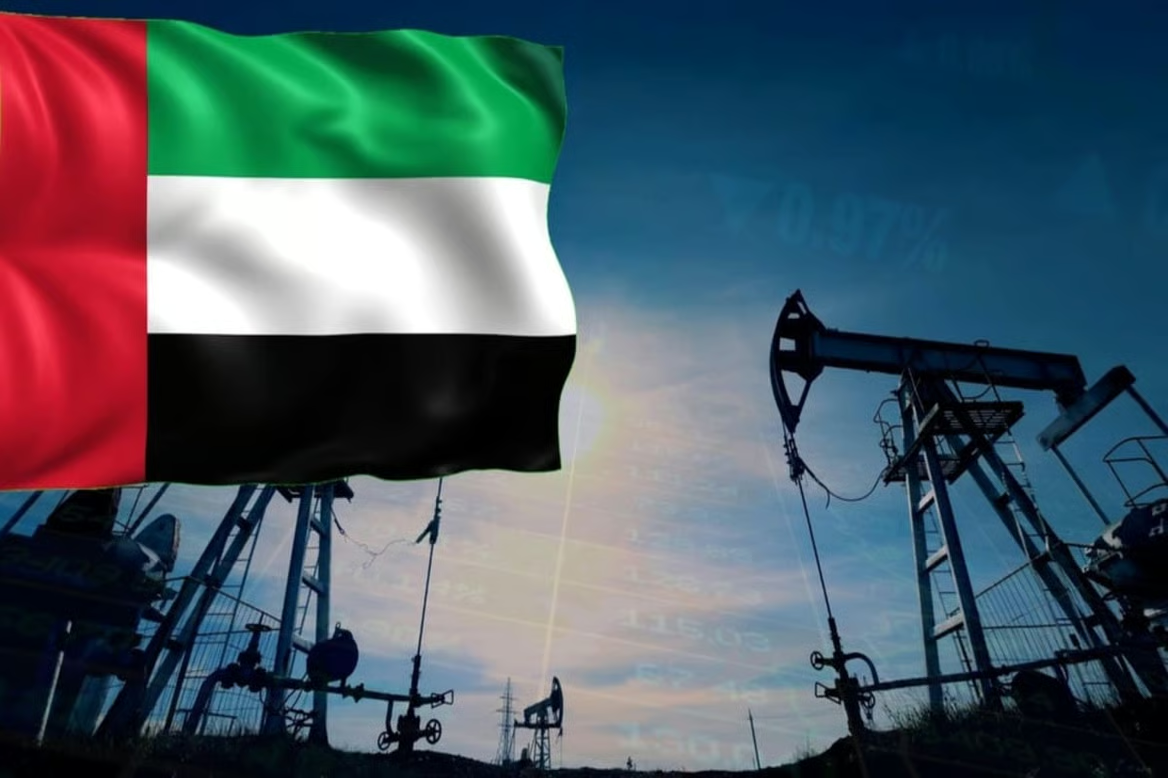
The United Arab Emirates reached a new oil production record in June. The country pumped an average of 4.1 million barrels of crude oil each day. This is the highest level ever recorded for the UAE and is above its previous record of 4 million barrels per day set in 2020.
The higher output shows the UAE’s strong effort to increase oil supply after months of regional tension. The country also restored oil exports to levels seen before the recent conflict. Strong export activity helped support global energy markets even as security risks remained in the Gulf.
The UAE increased shipments by using its own tanker fleet and adding more vessels to move crude oil through the Persian Gulf. These steps allowed exports to continue despite concerns about shipping routes and regional stability.
The rise in production came after the UAE left OPEC at the end of April. The move gave the country more freedom to decide its own oil production levels. Before leaving, the UAE had followed production limits set by the oil-producing group.
Since that change, energy markets have closely watched how quickly Abu Dhabi would raise production. June’s record output shows the country has moved faster than many of its Gulf neighbors to increase supply.
Oil shipment data showed that UAE exports had already returned to levels seen before the conflict. This quick recovery helped improve the flow of crude oil into international markets.
Other Gulf producers also increased production during June. Saudi Arabia pumped about 7.3 million barrels of oil per day. That was an increase of about 900,000 barrels compared with the previous month.
Kuwait also raised production to about 1.4 million barrels each day. Iraq increased output to around 2 million barrels daily. However, both countries, along with Saudi Arabia, remained below the production levels they reached before the regional conflict.
Higher oil production across the Gulf has helped reduce pressure on global oil supplies. Earlier concerns about shortages have eased as more crude reached international buyers. In some markets, rising supplies have even raised concerns about possible oversupply.
A temporary easing of tensions between the United States and Iran also supported the recovery. The pause allowed more oil tankers to travel through the Strait of Hormuz, one of the world’s most important shipping routes for crude oil.
However, market conditions changed again later in the week. Fresh military action increased concerns about the safety of shipping in the region. New tensions raised fears that oil transport could once again face disruption.
These concerns quickly affected oil prices. Brent crude oil climbed above $80 per barrel earlier in the week before falling back to around $76 by Friday. The price movement showed that traders remain cautious as political risks continue to influence the market.
Even with stronger crude production, challenges remain across the energy sector. Refinery operations in Gulf countries have recovered more slowly than crude output. As a result, exports of refined products such as gasoline and diesel remain well below the levels seen before the conflict.
This means that higher crude production alone may not fully solve supply issues in fuel markets. Refining capacity and fuel exports will also play an important role in balancing global energy demand.
The UAE’s latest production record also reflects a changing energy landscape in the Gulf. With greater freedom over its production policy, the country is taking a more independent approach to oil output. This marks a shift from previous years when production closely followed group targets.
Energy analysts will continue to watch how the UAE manages future production as global demand, oil prices, and regional security continue to change. The country’s ability to increase supply while maintaining stable exports could strengthen its role as one of the world’s leading oil producers.
The June production figures highlight both the opportunities and the challenges facing global energy markets. While stronger oil supply has improved market conditions, ongoing geopolitical risks continue to create uncertainty for producers, traders, and consumers around the world.

