


A former aide to UAE President Mohammed bin Zayed has faced strong online criticism after making comments about Pakistan and its role in a new regional defence pact.
Abdulkhaleq Abdulla, a prominent Emirati political analyst, posted comments on X about Pakistan’s economy, poverty, literacy and nuclear weapons.
He questioned why Pakistan should take part in defending Saudi Arabia under a new security deal. His remarks have drawn more than one million views and sparked a wide response online.
Abdulla described Pakistan as a country with high poverty and low literacy. He also pointed to its economic size and nuclear weapons.
He said Pakistan had faced political unrest, military rule and wars with nearby states. He suggested that its nuclear weapons were its main strategic asset.
The comments were made as regional powers adjust to a new security arrangement involving Pakistan and Saudi Arabia.
Pakistan and Saudi Arabia signed a Strategic Mutual Defence Agreement on Sept. 17, 2025. The deal says an attack on one country will be treated as an attack on both.
The wider Mecca Joint Defence Agreement also involves Turkey and Saudi Arabia. The agreement has raised questions about the future balance of power in the Gulf and the wider Middle East.
Abdulla had already questioned the logic of the new regional pact. In earlier comments, he argued that Gulf states should focus more on military and political cooperation among themselves.
He also questioned who the common enemy was for the countries in the new alliance.
His latest comments about Pakistan triggered a strong backlash. Some users said his focus on poverty and economic size was not a fair way to judge Pakistan’s role in regional security.
One critic argued that Pakistan is a sovereign country with its own interests and alliances. The user also said Pakistan’s role should not be judged only by its wealth or nuclear weapons.
Other users shared older comments by Abdulla in an effort to highlight changes in his views.
One post from 2015 showed Abdulla supporting stronger Gulf efforts to secure Pakistan’s participation in a Saudi-led military operation in Yemen.
The contrast drew more criticism online. Critics said his past statements appeared to show a different view of Pakistan’s military role.
Abdulaziz Altwaijri, a former head of an Islamic educational and cultural body, also responded to Abdulla’s latest remarks.
Altwaijri suggested that the comments were linked to unease over the Mecca agreement. His response added to the wider debate about the regional pact.
The dispute reflects growing tension between Saudi Arabia and the UAE. The two Gulf states remain important partners but have differed over several regional issues.
One major point of tension is Yemen. The UAE has supported southern Yemeni groups, while Saudi Arabia has backed a different approach to the country’s conflict.
The two countries also have different positions on Israel. The UAE became the first Gulf country to formally recognize Israel. Saudi Arabia has not recognized Israel.
The Mecca pact has been viewed by some analysts as a new regional security structure. It brings together Saudi Arabia, Pakistan and Turkey and could grow over time.
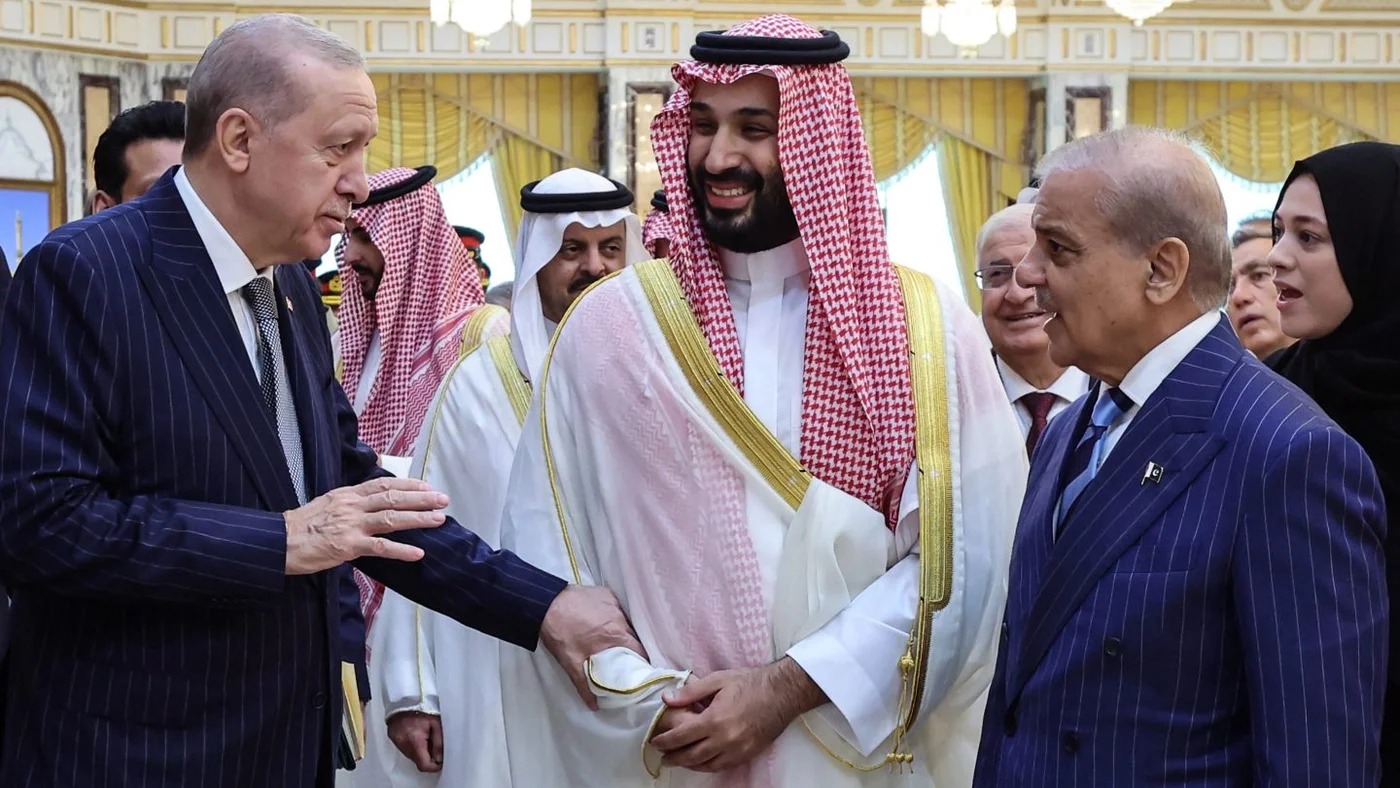
The agreement was also presented publicly in a high profile way. Saudi Crown Prince Mohammed bin Salman, Pakistani Prime Minister Shehbaz Sharif and Turkish President Recep Tayyip Erdogan attended Friday prayers together in Mecca.
The public display sent a message about closer ties between the three countries.
The UAE’s relationship with Israel has also become part of the wider debate. Some analysts see growing cooperation between Abu Dhabi and Israel as another regional bloc.
The debate extends to Egypt as well. Saudi Arabia reportedly did not support Egypt joining the new defence pact.
Riyadh has concerns about Egypt’s close ties with the UAE and its regional policies. Egypt has also worked with the UAE on security matters and responded to Iranian attacks against Abu Dhabi.
The competing alliances show that the Middle East is entering a period of changing partnerships.
Abdulla’s comments about Pakistan have therefore become more than an online dispute. They have exposed wider questions about Gulf security, regional alliances and the growing role of Turkey and Pakistan.
The backlash also shows how sensitive the new Mecca pact has become. As Saudi Arabia, Turkey and Pakistan deepen their defence ties, other regional powers are watching closely.
The debate over the pact is likely to continue as Gulf states weigh their own security needs and relationships with major regional powers.

