


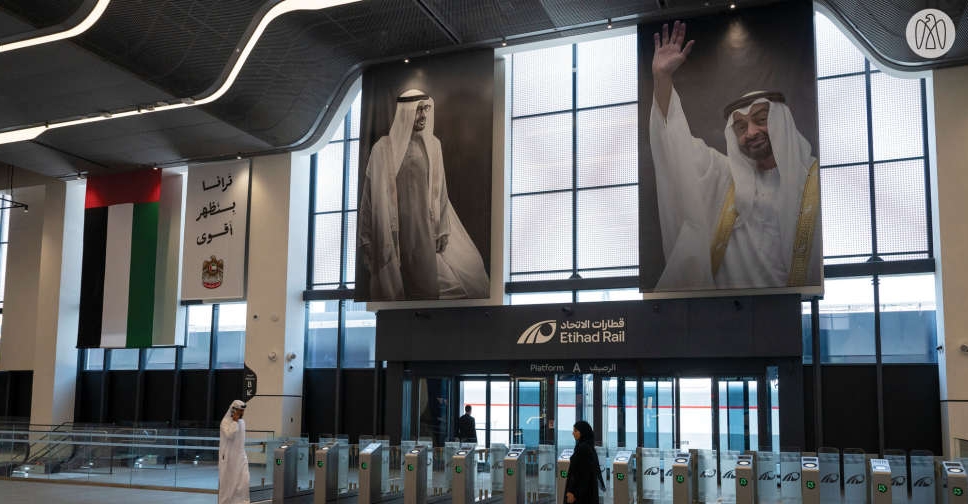
The UAE reached a major transport milestone on June 30 as the country’s first passenger train completed its historic journey to Abu Dhabi. The new rail service marks the beginning of a new era in public transport. It is expected to make travel faster, easier, and more comfortable for millions of people across the nation.
Passengers celebrated the landmark moment as the train arrived in Abu Dhabi after leaving Fujairah earlier in the day. Many travelers described the experience as the start of a new chapter for the country. They said the railway will change how people travel between cities by reducing travel times and offering a modern transport option.
The journey began at Fujairah Train Station before sunrise. Passengers were welcomed with a traditional Emirati breakfast as they watched the morning light from the train. The special event reflected the importance of the day and highlighted the country’s growing investment in modern infrastructure.
Officials said June 30 will be remembered as an important date in the UAE’s transport history. They believe the passenger rail service will improve daily life by giving residents and visitors another reliable way to travel between key cities.
Each passenger train can carry up to 400 people. The stations have been designed to provide easy access for all travelers, including people with disabilities. Transport links around the stations will also help passengers continue their journeys through partnerships with local transport services. These connections aim to make travel smooth from the first step to the final destination.
The passenger rail network will expand in stages over the coming months. Dubai Train Station and Al Dhaid Train Station are scheduled to open when full passenger operations officially begin on September 30. Stations in Al Dhafra are expected to follow on December 30. The final section of the network will open with Sharjah Train Station on March 30, 2027, completing the planned national passenger route.
Once complete, the railway will connect 11 cities and regions across the UAE. The network will stretch from Al Sila in the west to Fujairah on the east coast. Along the way, it will serve Ruwais, Al Mirfa, Abu Dhabi, Dubai, Sharjah, Al Dhaid, and several other important locations. This broad network is expected to improve travel options for residents, business travelers, and tourists.
One of the biggest benefits of the new rail system is shorter journey times. The trip between Abu Dhabi and Dubai will take only 57 minutes on the standard passenger service. Travelers going from Abu Dhabi to Fujairah will complete their journey in about 105 minutes. These faster travel times could reduce road traffic and provide a more comfortable alternative to driving.
The country also plans to introduce a separate high-speed rail service in the future. That line is expected to connect Abu Dhabi and Dubai in only 30 minutes while reaching speeds of up to 350 kilometers per hour. The high-speed project is designed to support future population growth and strengthen economic links between the UAE’s two largest cities.
The passenger railway forms part of the UAE’s wider strategy to improve national transport and build stronger links between communities. Rail travel is also expected to support tourism by making it easier for visitors to explore different parts of the country without relying only on cars or domestic flights.
Modern rail systems also offer environmental benefits. Passenger trains can help reduce road congestion and lower transport-related emissions by encouraging more people to choose public transport. As more stations open and services expand, officials expect passenger numbers to continue growing.
The successful first passenger journey to Abu Dhabi represents more than the launch of a new train service. It reflects years of planning, construction, and investment in national infrastructure. As the railway network expands over the next several months, the UAE is preparing for a future where fast, reliable, and connected rail travel becomes an important part of everyday life.

