


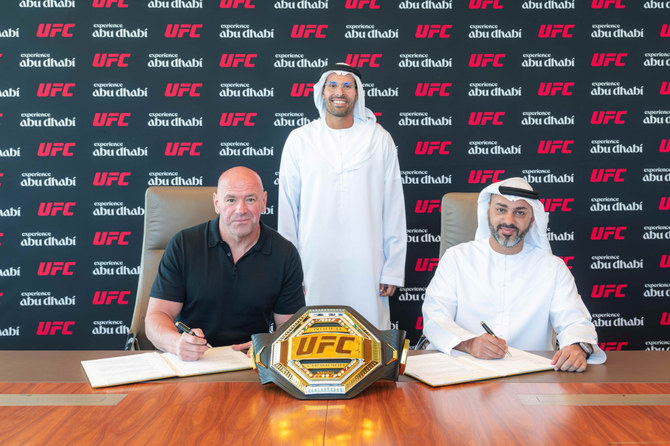
UFC is set to return to Abu Dhabi with a new Fight Night event. The move is part of a wider global growth plan led by TKO Group Holdings. The company is expanding its live event strategy across key international and U.S. markets. This includes new partnerships that support repeat events and long-term venue deals.
The Abu Dhabi Fight Night comes after a recent agreement in Arizona. Both deals show a clear direction for TKO. The company is building a network of stable event hubs instead of relying only on one-time shows. This approach helps create steady income from live sports, ticket sales, and sponsorships.
Abu Dhabi has been a major UFC partner for years. It hosted several high-profile events, including the well-known “Fight Island” series during the pandemic. The region continues to attract UFC cards due to strong government support and investment in sports tourism. This makes it an important location for future UFC growth.
Arizona is also becoming a key hub in the United States. It is being developed as a multi-property center for UFC, WWE, PBR, and Zuffa Boxing. These long-term plans show how TKO is building strong regional bases. The goal is to host regular events that can bring more predictable revenue.
The UFC Abu Dhabi return also highlights how governments are using sports events for economic growth. Major fight nights bring international fans, media attention, and tourism spending. This increases interest from host cities that want to invest in global sports entertainment.
For investors tracking NYSE:TKO, the strategy shows a clear focus on site-fee backed events. These are payments made by host cities or venues to secure major events. This helps reduce financial risk for the company while increasing guaranteed income from live shows.
However, there are also risks linked to this model. Heavy reliance on a few repeat venues could create pressure if local support changes. Political decisions or budget cuts in host regions could impact future events. There is also the risk of fan fatigue if the same locations host too many events.
Another challenge is competition. Other global entertainment companies are also competing for similar deals. These include major sports and live-event operators that want long-term partnerships with cities and governments. This could raise costs or reduce exclusivity for UFC events in certain regions.
Still, the strategy offers clear benefits. Repeat events in Abu Dhabi and Arizona can help build stronger brand presence. It also allows TKO to negotiate better media rights and sponsorship deals. More stable event calendars can attract larger corporate partners and global advertisers.
UFC’s presence in Abu Dhabi also strengthens its international reach. It gives the company a strong base in the Middle East, a region that continues to invest heavily in sports and entertainment. This helps UFC expand beyond North America and grow its global fan base.
Looking ahead, attention will be on how often UFC returns to Abu Dhabi. Analysts will also watch how Arizona develops as a multi-event hub. Any increase in site fees, ticket revenue, or sponsorship value from these regions will be key signals for future growth.
The success of this model will depend on how well TKO balances global expansion with local demand. If managed well, the Abu Dhabi return could become a strong example of how the company builds long-term value through premium live events.

