


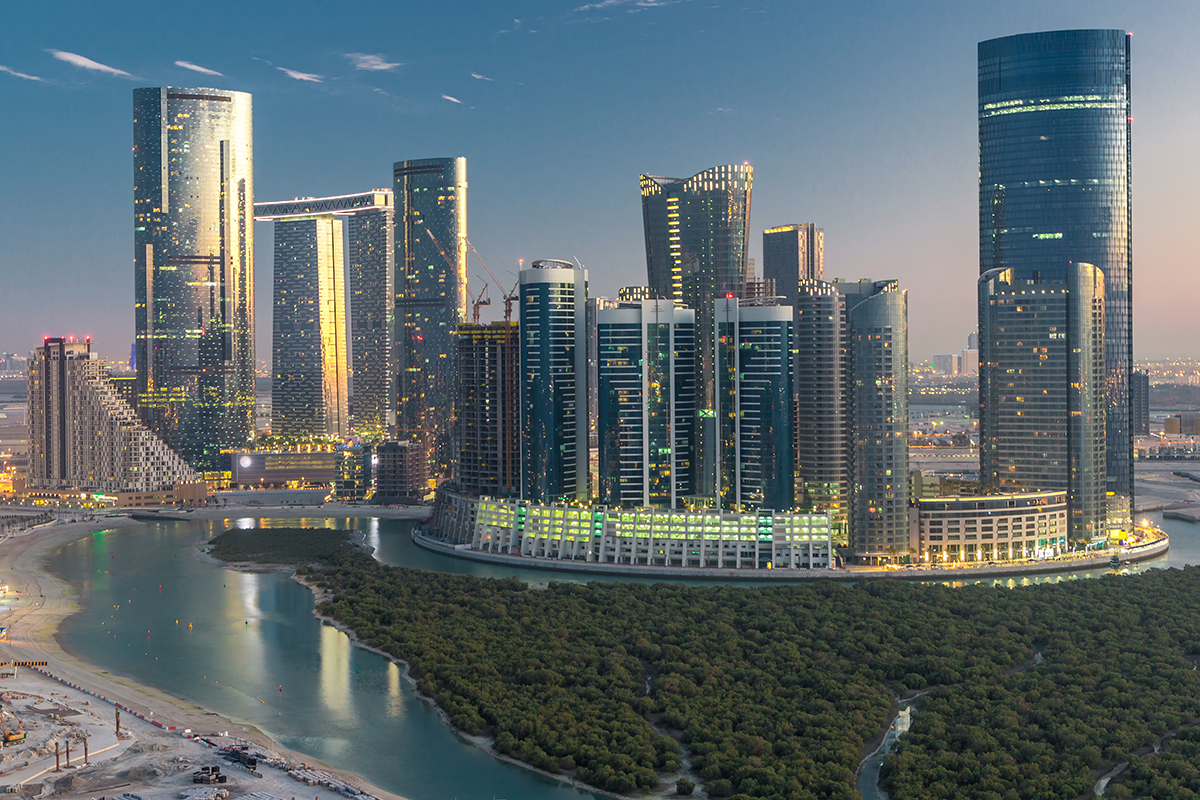
Abu Dhabi rental yields are showing steady performance despite rising demand in the residential property market. The latest trends indicate that rental income levels remain stable in key residential areas, even as more people move into the city for work and lifestyle opportunities.
Popular neighborhoods such as Al Reem Island and Khalifa City continue to attract strong tenant interest. These areas are known for their modern housing, good infrastructure, and convenient access to business districts. As a result, they remain among the most active rental zones in Abu Dhabi’s property market.
The stability in Abu Dhabi rental yields is being supported by steady population growth. More people are relocating to the capital for employment opportunities in both government and private sectors. This increasing population has helped maintain consistent demand for mid-range apartments across the city.
Job growth is one of the key factors behind the stable rental market. Expanding industries, public sector hiring, and private company investments are bringing more professionals into Abu Dhabi. This has created a steady flow of tenants looking for long-term housing options.
Despite higher demand, rental prices in many areas have not experienced extreme fluctuations. Market conditions suggest a balanced environment where supply and demand are relatively aligned. This has helped prevent sharp increases in rental yields, keeping the market stable.
Al Reem Island remains one of the most sought-after residential areas. It offers high-rise apartments, waterfront views, and modern facilities. These features continue to attract young professionals and families seeking comfortable urban living.
Khalifa City is another strong rental location. It is popular among residents looking for larger housing units at more affordable prices compared to central city areas. Its residential communities and family-friendly environment contribute to steady tenant demand.
Real estate experts say that stable rental yields indicate a healthy housing market. When yields remain steady, it suggests that both landlords and tenants are operating in a balanced environment. This reduces the risk of sudden market disruptions.
The demand for mid-range apartments is particularly strong. These properties are often preferred by working professionals who want affordable yet modern housing. This segment continues to drive consistent rental activity across Abu Dhabi.
Infrastructure development is also supporting the rental market. Improved roads, public transport, schools, and commercial facilities make residential areas more attractive. These developments help sustain long-term demand for housing.
At the same time, new housing supply entering the market is helping maintain balance. Ongoing residential projects are increasing the number of available units, which helps prevent excessive pressure on rental prices.
Market analysts note that Abu Dhabi’s rental market has shown resilience in recent years. Even during periods of economic uncertainty, demand for housing has remained relatively stable. This reflects the city’s strong employment base and population growth trends.
Foreign professionals also contribute to rental demand. Many expatriates working in sectors such as healthcare, education, finance, and government services choose to rent apartments in well-connected areas. This adds to the overall stability of the market.
Landlords in key areas are benefiting from consistent occupancy rates. While rental increases are moderate, stable demand ensures fewer vacant properties and reliable rental income over time.
Experts expect the market to remain stable in the near term. As long as job growth and population inflows continue, rental demand is likely to stay steady. However, future changes in supply levels could influence long-term trends.
For now, Abu Dhabi rental yields continue to reflect a balanced and stable property market. Strong demand, supported by economic growth and urban development, is helping maintain consistency across key residential areas.

