


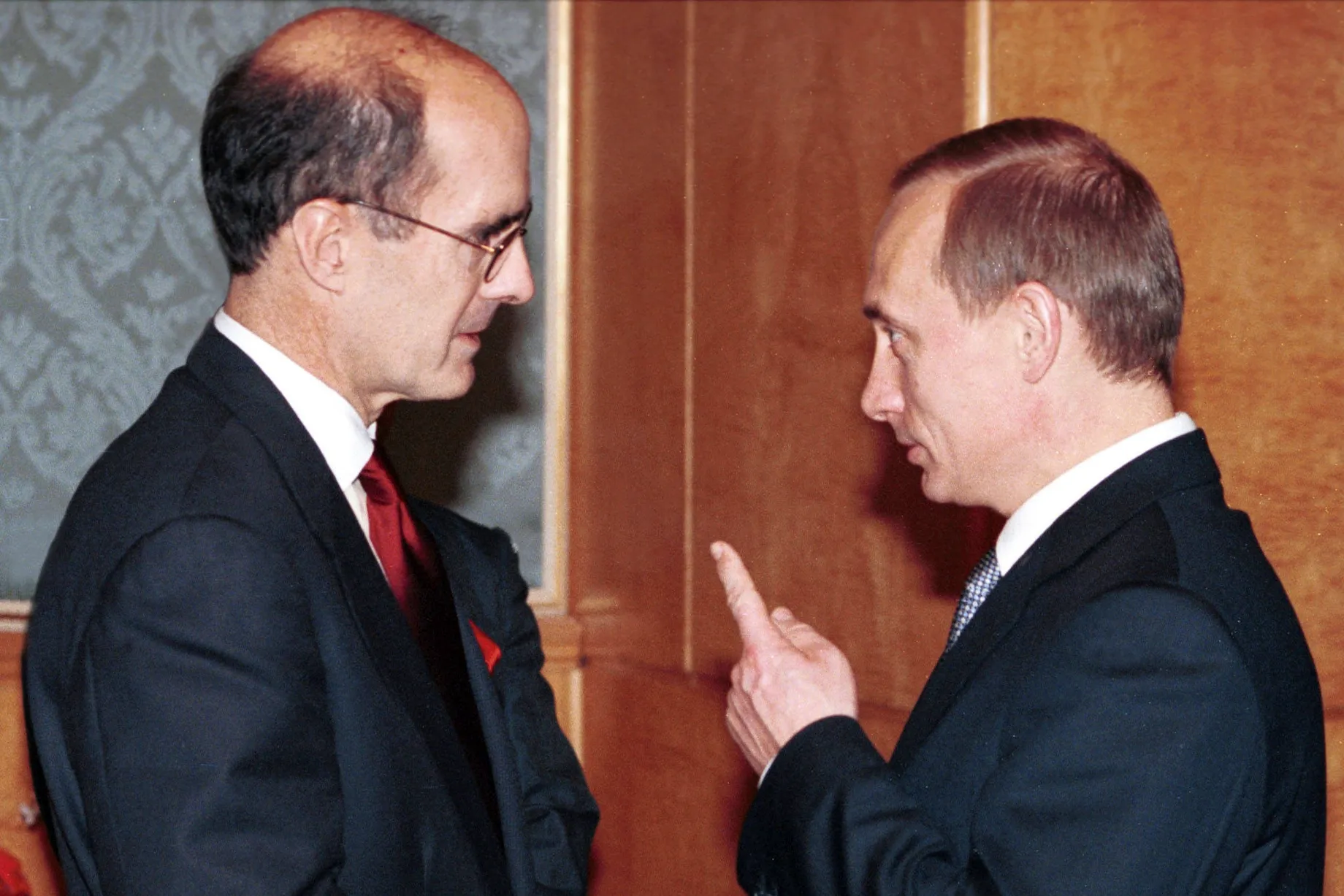
A German historian has analyzed the previously unpublished diaries of Strobe Talbott, a close confidant of Bill Clinton and an architect of NATO’s eastward expansion. The documents cast an unvarnished light on American Russia policy in the 1990s.
WASHINGTON / BERLIN. – These are sentences that provide deep insights into the diplomatic backrooms of the 1990s and could reignite the current debate about the relationship between the West and Moscow. A German historian has gained access to the personal diary entries of Strobe Talbott. Talbott, a longtime friend of former US President Bill Clinton and then-US Deputy Secretary of State, was considered one of the most influential operators in pushing through NATO’s eastward expansion.
The records document with sometimes brutal frankness how the US administration viewed a weakened Russia in the post-Cold War era. One particularly striking quote from the notes mercilessly illustrates the power disparity and the American approach at the time: “Russia has had to eat shit from us three times now,” Talbott noted in his diary.
Unvarnished Insights into the Clinton Era
The drastic wording reflects the diplomatic realpolitik with which Washington repeatedly overrode Russian resistance to Western security policy decisions during that time. While the US officially insisted on partnership and integration, the internal documents show that Washington deliberately and sometimes ruthlessly exploited Moscow’s weakness under President Boris Yeltsin to push through American and geostrategic interests.
Talbott: The Architect of NATO Expansion
In the 1990s, Strobe Talbott was not only a close friend of Clinton from their shared university days at Oxford, but also the US government’s foremost Russia expert. Against initial resistance from parts of his own diplomatic corps and despite massive concerns from Moscow, he was instrumental in driving forward the admission of former Warsaw Pact states into the North Atlantic alliance.
The newly analyzed diaries reveal that decision-makers in Washington were very well aware of how humiliating these geopolitical shifts were for the former world power Russia—but they accepted this fact as a necessary evil.
Historical Relevance for the Present
The publication of these historical analyses carries enormous explosive power for the current global political situation. To be clear, the diplomatic harshness of the 1990s in no way justifies the Kremlin’s current wars of aggression under Vladimir Putin, which violate international law. Nevertheless, the Talbott diaries provide critics of Western hubris with new arguments and paint a picture of a US foreign policy that sometimes viewed victory in the Cold War as a blank check for geopolitical dominance.
When and in what exact format the German historian’s complete scientific analysis will be published is not yet known in detail.

