


A new attack on a vessel linked to the United Arab Emirates has raised fresh concerns about fuel supplies for African countries that depend on imports.
The vessel was linked to Abu Dhabi National Oil Company, known as ADNOC. It was attacked while passing through the Strait of Hormuz on Friday, according to the UAE state news agency.
No injuries were reported. ADNOC said the situation was brought under control. The company did not give full details about the vessel, its cargo or the damage.
The UAE blamed Iran for the attack. It called on Tehran to stop attacks on commercial ships and reopen the waterway.
Iran had not given an immediate response to the accusation.
The incident was the third reported attack involving ADNOC-linked vessels in less than one week. The UAE had also accused Iran of attacking two company vessels in the strait on Thursday.
The UK Maritime Trade Operations group also said it received a report of a bulk carrier being hit by an unknown object in the area on Friday. It was not clear if the report involved the same ship.
The attacks have increased concern about one of the world’s most important energy routes.
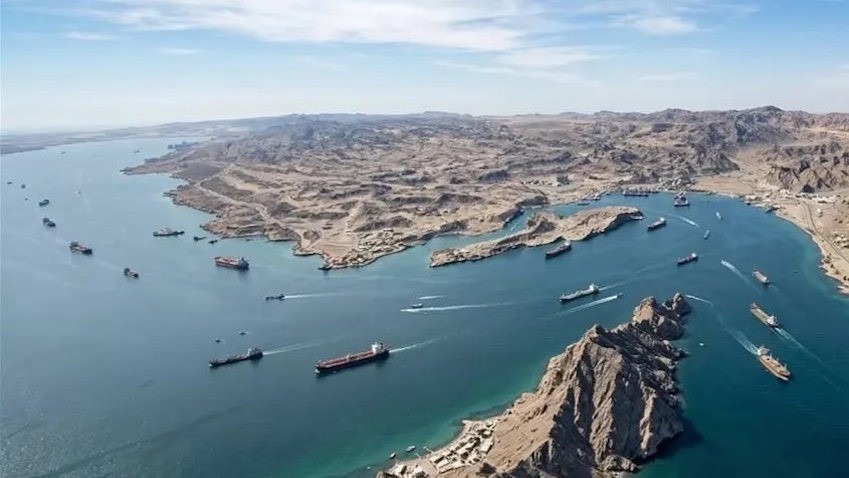
The Strait of Hormuz links the Persian Gulf with the Gulf of Oman and the Arabian Sea. It is a key route for oil and fuel exports from major Gulf producers.
About 20 million barrels of crude oil and petroleum products passed through the strait each day in 2025, according to the International Energy Agency.
That was about one quarter of global oil trade by sea.
Any long disruption could have a major effect on global fuel markets. African countries that import petrol, diesel, aviation fuel and cooking gas could face higher costs.
The impact may not begin with a physical fuel shortage. Higher shipping costs could come first.
Shipowners may become less willing to use the waterway if attacks continue. Insurance companies may also raise war risk charges for ships entering the region.
Those extra costs can then move through the supply chain. Fuel companies, airlines, factories and consumers may all face higher bills.
Some African countries are especially exposed to Hormuz supplies.
Seychelles has been estimated to receive almost all of its oil imports through routes linked to the strait. Uganda, Mauritius, Tanzania and Zambia also have large shares of their oil supplies tied to the waterway.
Mozambique, Malawi, Senegal and Cabo Verde are among other African markets with notable exposure.
Landlocked countries face an added risk. Uganda, Zambia and Malawi depend on imported fuel that must travel from ports by road, rail or pipeline.
Island economies can also be highly sensitive to higher fuel costs. Seychelles and Mauritius rely heavily on tourism, aviation and shipping.
Higher fuel prices could increase transport costs and add pressure to food and other basic goods. Governments may also face greater pressure to protect consumers from rising prices.
The latest attack comes as global oil markets are still recovering from earlier disruptions linked to the conflict involving Iran, Israel and the United States.
Oil supplies through the strait had started to recover in June. The recovery helped global oil production rise, according to the IEA.
The improved flow also helped push some oil prices lower. But global production remained below its earlier level.
The IEA has warned that renewed attacks could weaken the recovery. It has also projected a possible oil market deficit if supply problems continue.
For African importers, another long period of high oil prices could be difficult.
Higher fuel bills can increase inflation and put pressure on foreign currency reserves. Countries with weak currencies may face an even bigger rise in the local cost of imported fuel.
Some African oil producers could benefit from higher global prices. Nigeria, Angola and Libya could earn more from crude exports if prices rise.
However, those gains may be limited in countries that also import refined fuel. Higher energy costs can raise the price of transport, electricity and food production.
The latest incident therefore has consequences far beyond the Gulf.
If attacks continue, African economies could face higher fuel prices, larger shipping bills and more pressure on already strained household budgets.
The key question now is whether the security situation around the Strait of Hormuz will worsen or stabilize.
For African fuel importers, even a short period of disruption could raise costs. A longer crisis could create wider problems for trade, inflation and economic growth across the continent.

