


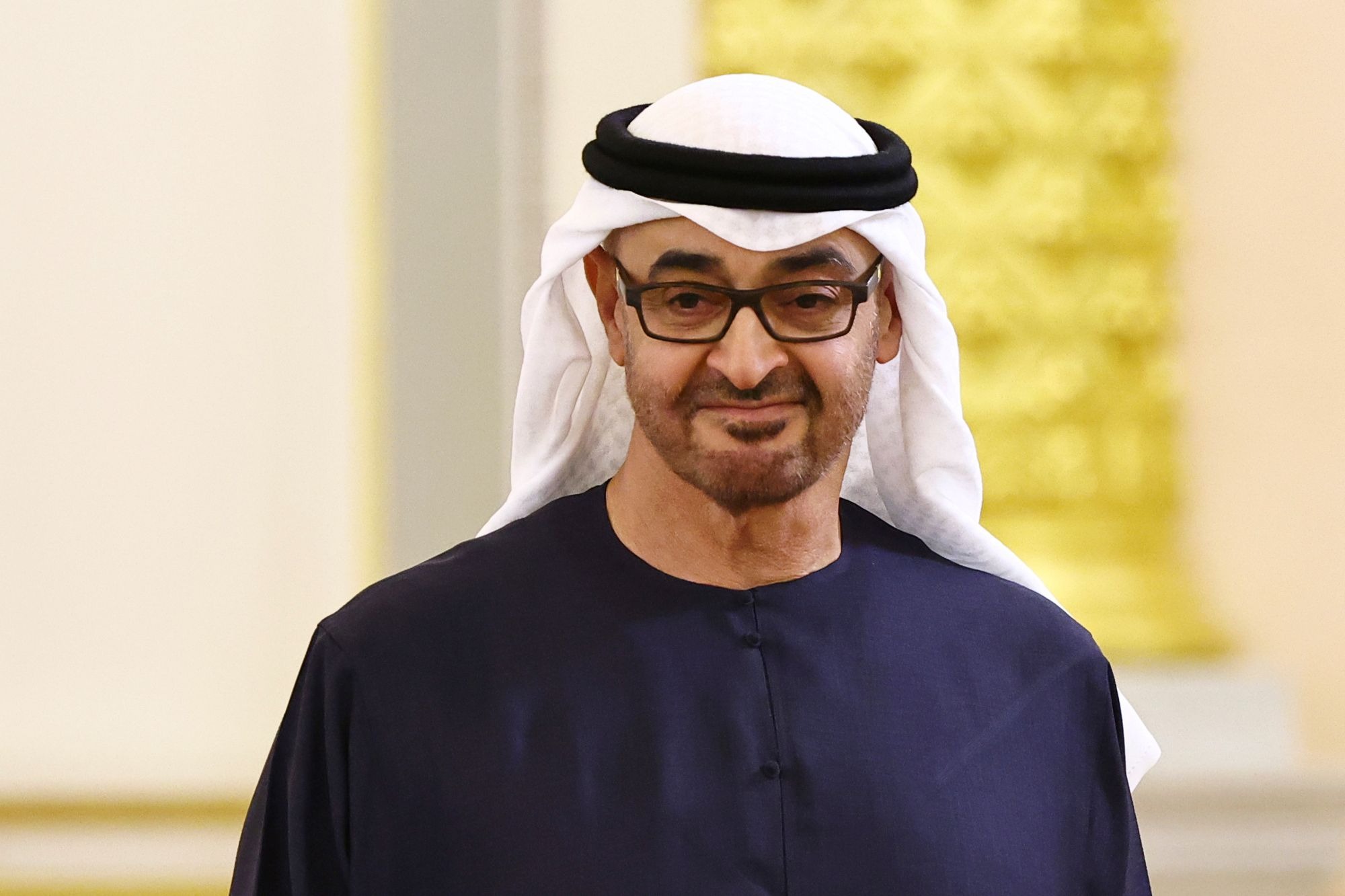
A growing political controversy has emerged following reports that United Arab Emirates President Sheikh Mohammed bin Zayed Al Nahyan may have warned Israeli Prime Minister Benjamin Netanyahu about a potential Hamas attack before October 7, 2023. The allegations have triggered intense debate in Israel, drawn reactions from opposition leaders, and renewed questions about what Israeli officials knew before the deadliest attack in the country’s recent history.
The dispute began after reports claimed that the UAE leader shared concerns with Netanyahu before Hamas launched its surprise assault on southern Israel. According to the account, the warning was linked to information suggesting that Hamas was preparing a major operation that could lead to significant violence and regional instability.
The UAE has not confirmed the specific claims. In a statement released through its Foreign Ministry, the country declined to comment on reports regarding conversations between government leaders. Officials said the UAE’s focus since October 7 has been on reducing violence, promoting regional stability, and supporting efforts aimed at de-escalation.
The statement also noted that intelligence information has been exchanged when necessary between relevant authorities and continues to be shared through official channels.
The controversy centers on reports that Sheikh Mohammed bin Zayed spoke with Netanyahu before the attack and warned about Hamas plans. The reports claim the conversation took place roughly ten days before the assault. According to the account, the warning was based on concerns that an operation being planned by Hamas could lead to widespread bloodshed and threaten regional security.
Netanyahu’s office has strongly rejected the allegations. Officials described the claims as false and denied that the prime minister received any direct warning from the UAE leader during the period in question. The statement added that any important information would have been communicated through established intelligence channels between the two countries.
The issue has quickly become part of Israel’s broader political debate over responsibility for the events of October 7. Opposition leaders have used the reports to renew criticism of Netanyahu and his government’s handling of security matters before the attack.
Former military chief and opposition figure Gadi Eisenkot accused Netanyahu of ignoring multiple warnings before the assault. Eisenkot argued that the government failed to respond adequately to available information and said the latest reports raise serious questions about decision-making before the attack occurred.
Former Prime Minister Naftali Bennett also criticized Netanyahu, saying the prime minister bears responsibility for failures that allowed the attack to happen. Bennett stated that leadership accountability remains essential as Israel continues to examine the events leading up to October 7.
Several opposition leaders have called for a full investigation into the matter. They argue that the public deserves clear answers about whether warnings were received, how they were evaluated, and what actions were taken in response.
The allegations gained further attention because they are linked to reports describing concerns about regional stability and the future of diplomatic ties established through the Abraham Accords. Those agreements normalized relations between Israel and several Arab countries, including the UAE, and have been viewed as a major diplomatic achievement in the region.
According to accounts surrounding the reported warning, concerns were raised that a large-scale Hamas operation could damage those diplomatic gains and increase instability across the Middle East.
The attack on October 7 resulted in the deaths of about 1,200 people in Israel and led to the capture of hundreds of hostages. The event triggered a major conflict that expanded beyond Gaza and affected several parts of the region.
Since then, debate has continued over whether warning signs were missed before the assault. Questions about intelligence gathering, political leadership, and military preparedness have remained central issues in Israeli public life.
The latest claims have added another layer to that discussion. While supporters of Netanyahu dismiss the reports as politically motivated, critics argue that every allegation should be examined carefully to establish a complete understanding of what happened before the attack.
The UAE’s decision not to discuss private communications between leaders has left many questions unanswered. At the same time, Israeli opposition figures continue to press for greater transparency and accountability.
As political tensions rise and election campaigning continues, the controversy surrounding the alleged warning is likely to remain a major issue. Whether new evidence emerges may influence public debate about leadership, security, and responsibility for one of the most significant events in Israel’s modern history.

