


Qatar and the United Arab Emirates have called for a stronger regional security framework, arguing that Gulf nations must take greater responsibility for their own defense as ongoing tensions with Iran continue to reshape the region’s strategic landscape.
Senior officials from both countries delivered similar messages during discussions at the Hili Forum in Abu Dhabi, stressing that while partnerships with international allies remain important, Gulf states can no longer depend solely on outside powers to guarantee their security.
The statements come as the region continues to deal with the consequences of a prolonged conflict involving Iran and the United States. Gulf governments have increasingly focused on strengthening their defensive capabilities, protecting critical infrastructure, and reducing vulnerabilities that have been exposed during recent months.
Qatar’s Foreign Ministry spokesperson, Dr. Majed Al Ansari, said Gulf nations must recognize the limits of relying entirely on foreign military support. While describing the relationship with the United States as valuable and strategically important, he argued that regional security requires a greater degree of self-reliance.
According to Al Ansari, Gulf countries need to invest more heavily in their own defensive capabilities and develop stronger mechanisms for collective protection. He emphasized that partnerships and alliances remain necessary but should not replace regional preparedness.
His comments carry particular significance because Qatar hosts the largest United States military base in the Middle East. Despite this close security relationship, Qatari officials believe recent events demonstrate the need for Gulf countries to strengthen their independent capabilities.
The conflict has placed significant pressure on regional governments. Iran has maintained that its military operations were aimed at American interests in the region. Qatar, however, has consistently rejected that characterization and argued that attacks affected civilian and economic facilities within its territory.
The UAE delivered a similar message regarding the future of regional security. Anwar Gargash, diplomatic adviser to the UAE president, said Gulf countries must prepare for a future in which they play a more active role in protecting their own interests.
Gargash stressed that rebuilding practical relations with Iran will be necessary despite deep disagreements and ongoing concerns. He argued that geography makes engagement unavoidable and that long-term regional stability requires continued dialogue.
At the same time, he acknowledged that restoring trust will be far more difficult. According to Gargash, rebuilding a working relationship and rebuilding confidence are two separate challenges. While diplomatic engagement may be possible, restoring trust damaged by recent events could take many years.
The UAE official accused Iran of making a deliberate decision to target neighboring countries during the conflict. He argued that such actions created lasting concerns among Gulf states and reinforced the need for stronger regional coordination.
Throughout the conflict, the UAE has repeatedly called for closer cooperation among Gulf nations. Officials have argued that a more united regional response would have strengthened collective security and reduced the impact of attacks and disruptions.
Both Qatar and the UAE emphasized that their partnership with Washington remains important. However, they also suggested that recent events have demonstrated why regional countries cannot assume that outside powers will always place Gulf security at the center of their priorities.
According to Gargash, every nation naturally focuses first on its own interests. As a result, Gulf countries must ensure that they possess the resources and capabilities necessary to defend themselves when required.
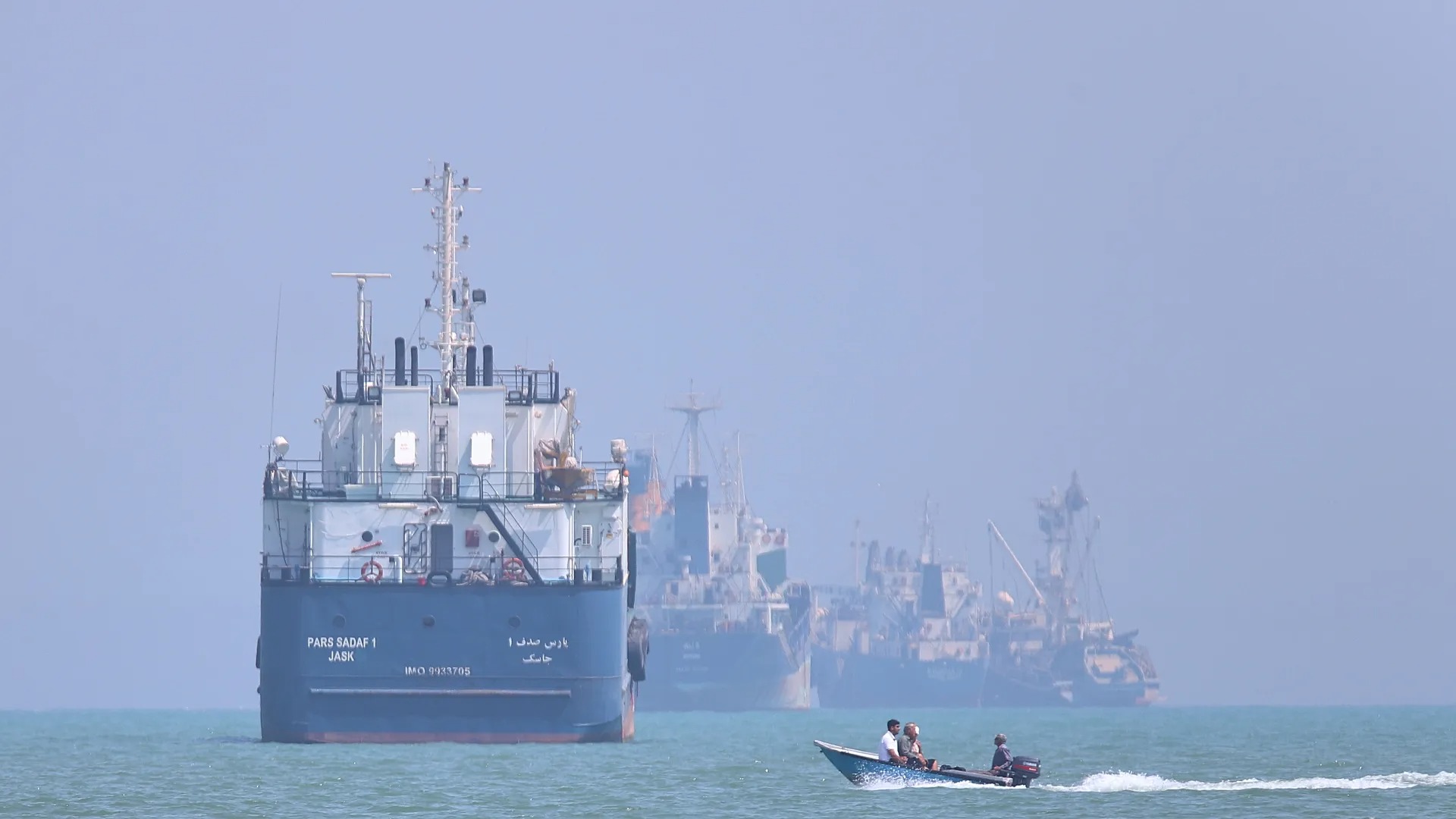
Another major concern raised during the forum was the future of maritime security and international trade routes. The Strait of Hormuz remains one of the world’s most important energy corridors, carrying a significant portion of global oil exports.
The UAE reiterated its opposition to any attempt by a single country to dominate or threaten navigation through the strategic waterway. Officials stressed that attacks on commercial vessels and disruptions to shipping routes are unacceptable and pose risks not only to the region but also to the global economy.
Gargash stated that the UAE would not allow its energy exports or commercial activities to be held hostage by regional instability. The country has already invested heavily in alternative trade routes, port facilities, and transportation infrastructure designed to reduce reliance on any single corridor.
The statements from Qatar and the UAE reflect a broader shift in Gulf thinking. While maintaining strong alliances with international partners, regional leaders are increasingly focused on building stronger local defense systems, enhancing cooperation among neighboring states, and creating a more resilient security structure capable of addressing future challenges.
As tensions continue across the region, Gulf governments appear determined to combine diplomacy, economic resilience, and stronger defense capabilities in an effort to secure long-term stability and protect their strategic interests.

