


The United Arab Emirates has defended Lana Nusseibeh’s bid to become the next United Nations secretary-general after Iran’s parliament speaker criticized her nomination. Senior Emirati officials accused Tehran of spreading instability and said Nusseibeh stood for diplomacy and peace.
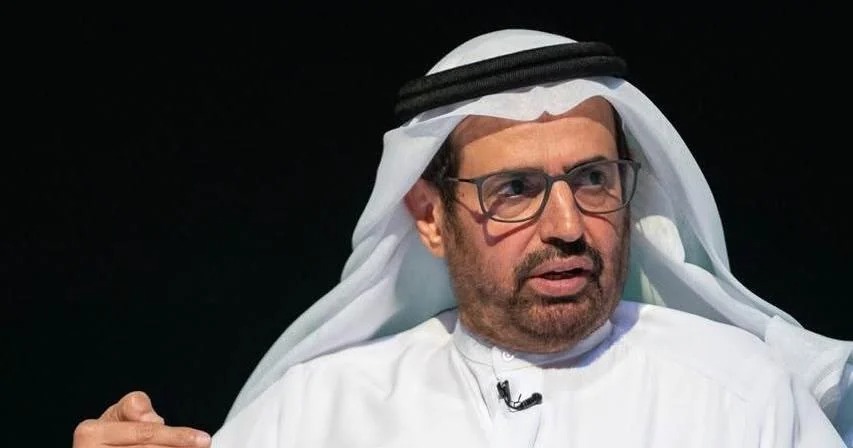
Ali Al-Nuaimi, chairman of the UAE Federal National Council’s Defense, Interior and Foreign Affairs Committee, responded to comments by Mohammad Bagher Ghalibaf, speaker of Iran’s parliament. Al-Nuaimi said Iran’s words reflected a mindset that had caused serious harm across the Middle East.
“Your rhetoric represents the very destructive mindset that has brought immense suffering to our region,” Al-Nuaimi said in his response to Ghalibaf.
The Emirati official also praised Nusseibeh’s diplomatic record. He described her as a figure who represents skill, courage and the ability to build links between countries. He said the Middle East needed leaders who worked for peace rather than those who benefited from conflict.
Anwar Gargash, diplomatic adviser to the UAE president, also criticized Ghalibaf’s comments. Gargash said the United Nations was created to settle disputes, not to deepen hostility or allow countries to settle old scores.
He described the opposition to Nusseibeh’s candidacy as a reaction from extremist groups that opposed her diplomatic approach. His comments reflected the UAE’s effort to defend its nominee amid growing political tension over the leadership race.
The dispute began after Ghalibaf posted comments on X on Sunday, October 25, 2026. He accused Nusseibeh’s nomination of helping advance what he called the “Greater Israel project.” He also said the move would help “whitewash the genocide in Gaza.”
Ghalibaf used a sharp personal attack to question the diplomat’s suitability for the position. “The fox updates its LinkedIn profile to apply for the job of guarding the henhouse,” he wrote.
His remarks linked the UAE’s nomination to wider disputes over the war in Gaza and regional politics. The comments also showed how the contest for the UN’s top job could become part of a wider struggle between governments with opposing views of the Middle East.
The UAE formally nominated Nusseibeh three days before the latest exchange, according to the announcement. She currently serves as the country’s Assistant Minister of Foreign Affairs for Political Affairs. The nomination puts her forward to succeed António Guterres as secretary-general.
Nusseibeh is 48 and has a long record of diplomatic work at the United Nations. She served as the UAE’s ambassador to the UN for more than a decade. During that time, she represented her country in major international discussions and helped manage its work within the organisation.
She has also presided over the UN Security Council during both periods when the UAE held a seat on the council. The role gave her experience in leading meetings on international peace and security. Supporters of her candidacy may view that background as an important qualification for the secretary-general position.
The secretary-general is the UN’s chief administrative officer and plays a major role in international diplomacy. The position involves helping countries resolve disputes, supporting peace efforts and drawing attention to humanitarian emergencies. The person in the role must also work with member states that often hold very different political views.
The criticism from Iran suggests that Nusseibeh’s nomination may face resistance from some regional governments. Ghalibaf’s comments focused on the UAE’s ties and its position on Israel and Gaza. Emirati officials, in turn, presented the criticism as an attack on diplomacy and an attempt to bring regional hostility into the UN selection process.
The exchange comes at a time when relations across the Middle East remain tense. The war in Gaza, disagreements between Iran and Gulf states, and wider regional security concerns continue to shape diplomatic relations. These issues can affect how governments view candidates for international leadership roles.
The UAE’s response also highlights its determination to defend Nusseibeh’s record and qualifications. Al-Nuaimi and Gargash argued that her experience and diplomatic approach made her a suitable candidate for the role. They rejected the idea that criticism from Iran should define her nomination.
However, the public exchange has turned the nomination into a broader political dispute. Iran’s objections and the UAE’s strong response show that the selection of the next UN secretary-general may involve more than professional experience. Regional rivalries and competing views on major conflicts are also likely to influence the debate.
As the process moves forward, Nusseibeh’s record at the United Nations and the views of member states will be central to discussions about the next secretary-general. The latest clash between Emirati and Iranian officials shows that her nomination has already become a subject of wider diplomatic tension.

