


The possible appointment of Lana Nusseibeh as the next United Nations secretary-general has sparked anger among Sudanese people. Critics say her candidacy raises serious questions about the role of the United Arab Emirates in Sudan’s ongoing war.
Nusseibeh serves as a minister of state for the UAE and previously worked as the country’s ambassador to the UN. Her bid for the top UN post has gained support from several quarters. However, opponents argue that her country’s alleged links to the conflict make her an unsuitable choice for the role.
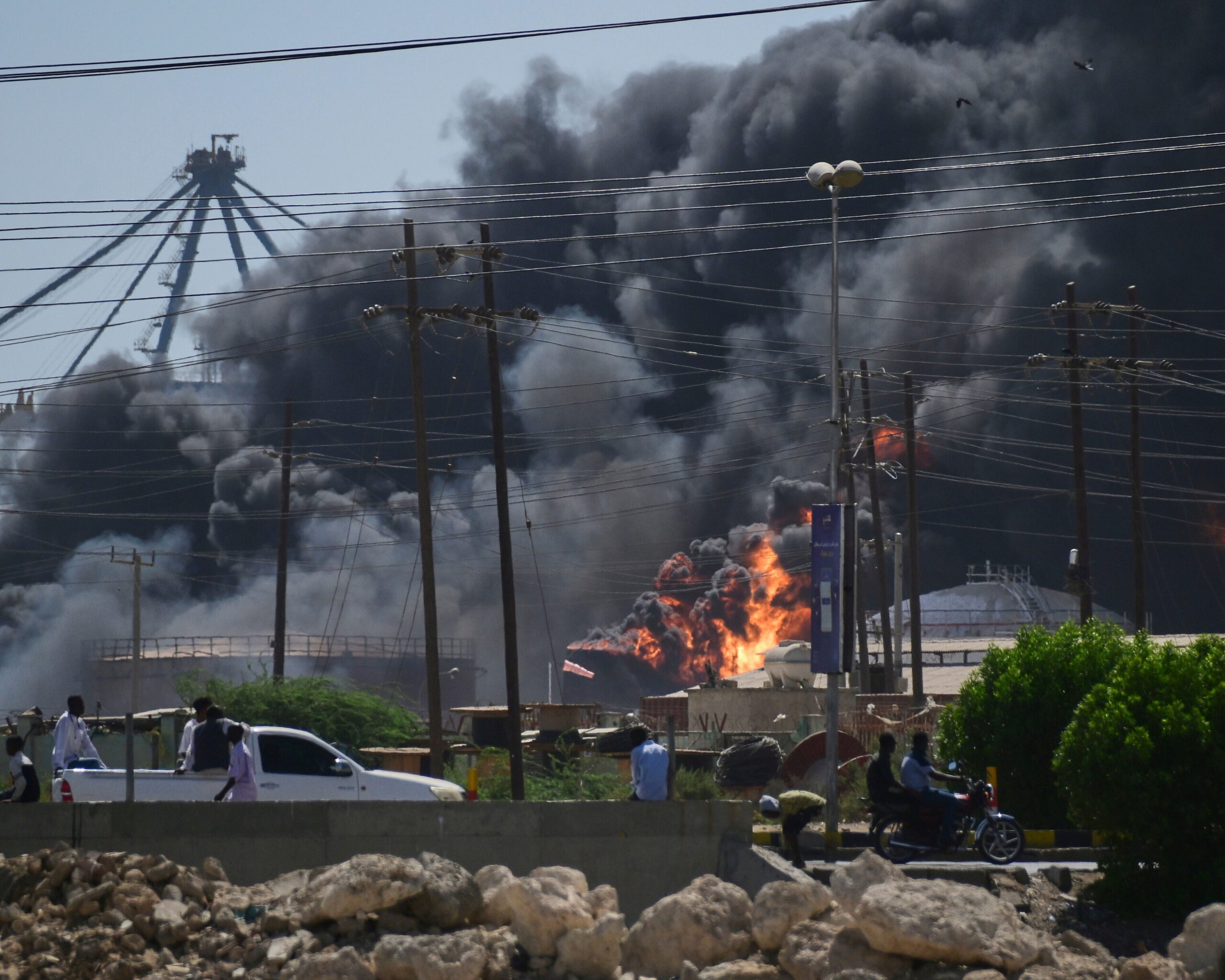
The debate comes as Sudan faces one of the world’s worst humanitarian crises. Fighting between the Rapid Support Forces (RSF) and the Sudanese Armed Forces (SAF) has caused widespread suffering. Millions of people have faced hunger, forced displacement and the loss of their homes.
Critics accuse the UAE of supporting the RSF and helping it continue the war. Reports and investigations have raised allegations of military supplies, foreign fighters and the use of aid routes to move weapons into Sudan. The UAE has denied allegations of supporting the militia.
The RSF has faced accusations of serious abuses, including ethnic cleansing, crimes against humanity and widespread sexual violence. Human rights groups have documented allegations of attacks against civilians. These claims have increased calls for accountability and stronger action from the international community.
The war has continued despite diplomatic efforts to end the fighting. External support for the rival sides has added to concerns that the conflict could last longer. Critics argue that foreign involvement has helped sustain the violence and made peace harder to achieve.
The UAE’s alleged role has drawn attention from journalists, human rights groups and lawmakers in several countries. Two US congressmen have called on American media and sports organisations to end their links with the UAE over its alleged support for one side in the conflict.
In the United Kingdom, a complaint has also called for an investigation into Sheikh Mansour bin Zayed al-Nahyan, a senior UAE leader and owner of Manchester City. The complaint points to alleged evidence of UAE involvement in Sudan’s war. These claims have not, by themselves, established legal responsibility.
Critics say the UAE has broader economic and strategic interests in Africa. Sudan has a long Red Sea coastline, valuable gold resources and an important location linking parts of the continent. Opponents argue that these factors may have increased the Gulf country’s interest in Sudan.
Nusseibeh has become a central figure in the dispute because of her diplomatic role. She has defended the UAE’s position and rejected claims that the country is backing the RSF. She has also challenged reports about the conflict and disputed findings from a UN panel of experts.
Her critics say these responses raise concerns about whether she would be able to lead the UN fairly. The secretary-general is expected to defend the organisation’s principles, support peace efforts and speak out against abuses. Opponents argue that a candidate closely associated with a government facing serious allegations could struggle to gain the trust of affected communities.
The anger has also been visible among Sudanese refugees. During a visit to a refugee camp in Chad, Nusseibeh faced criticism from a Sudanese man who accused the UAE of worsening the conflict. He rejected the delegation’s aid and called on the country to stop interfering in the war.
Another refugee reportedly refused assistance, saying the UAE was responsible for the deaths of her brothers. Such reactions show the deep mistrust that allegations of foreign involvement have created among some Sudanese people.
For critics, the possible appointment is not only a question of diplomatic experience. They say it also concerns the credibility of the UN at a time when many civilians need protection and international support. They fear that choosing Nusseibeh could weaken confidence in the organisation among people who believe their suffering has been ignored.
The controversy also reflects wider concerns about the influence of wealthy states in international affairs. The UAE has built close political and financial ties with Western governments and business leaders. Critics argue that these relationships have helped the country strengthen its global image despite allegations linked to Sudan.
The UAE has presented itself as a moderate Muslim country and an important partner for Western nations. Opponents say this image has helped it build influence, while questions about its actions abroad have received less attention.
The allegations surrounding Sudan remain a major issue in the debate over Nusseibeh’s candidacy. Her supporters may point to her diplomatic experience and knowledge of the UN system. However, critics say her record and the UAE’s position in the war require serious examination before any decision is made.
As Sudan’s conflict continues, the question of accountability remains central. For many affected people, international leaders must do more than express concern. They want action to protect civilians, support humanitarian work and reduce the outside pressure that may be keeping the war alive.
The debate over Nusseibeh’s UN bid therefore reaches beyond one candidate. It raises questions about fairness, trust and the ability of international institutions to respond to conflicts involving powerful states. For Sudanese critics, the next UN leader must have the confidence of people whose lives have been devastated by war.

