


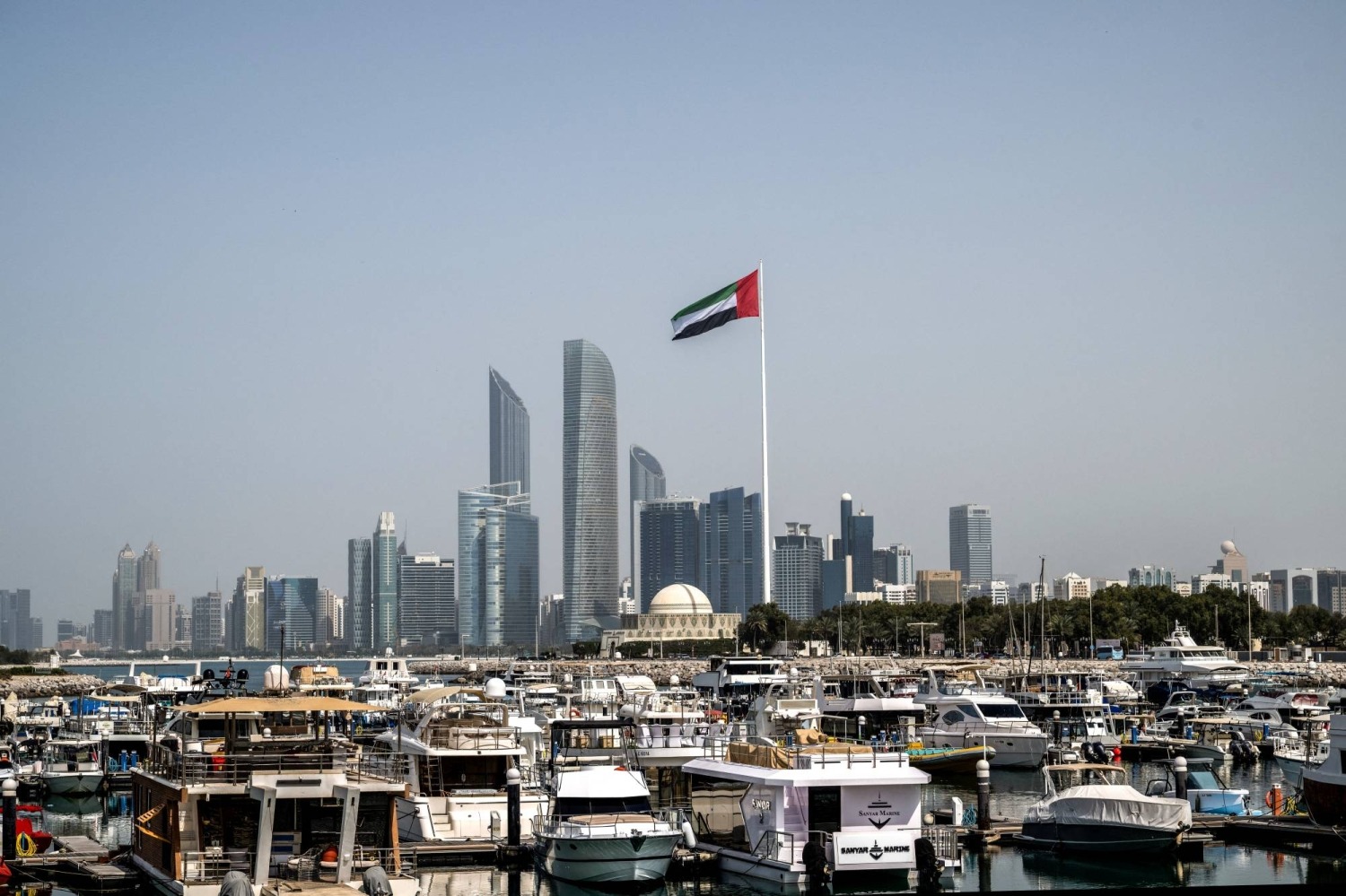
The United Arab Emirates has called for renewed diplomatic efforts to prevent another round of fighting between the United States and Iran. A senior UAE adviser said Sunday that Qatar-led talks could offer a chance to ease tensions and avoid a wider regional crisis.
Anwar Gargash, a presidential adviser to the UAE, spoke at the Manama Dialogue security forum in Bahrain. He described 2026 as a turning point for the Middle East and the wider world following months of conflict.
“We don’t really want to see another round of confrontation in the region,” Gargash told the gathering.
The war began on February 28 with joint strikes by the United States and Israel against Iran. Iran then launched attacks on Gulf countries, raising fears that the conflict could spread across the region.
Iranian officials are now in Qatar for talks on a proposal that could help reopen the Strait of Hormuz. Iranian Foreign Minister Abbas Araghchi said there were no direct talks with Washington. He added that the outcome depended on the US response to questions raised by Tehran.
In an interview shared through his Telegram channel, Araghchi said Iran hoped Washington would choose diplomacy over other options. He said his country was ready to defend itself but remained open to talks if the United States acted with what he called rationality.
The possibility of renewed fighting was a major concern at the three-day security forum in Bahrain’s capital, Manama. The event brought together regional leaders, defense officials, diplomats and security experts.
Gargash urged governments to use political tools to address the crisis. He warned that military action would make an already difficult situation more complex and would not provide a quick way out.
However, he acknowledged that the positions of Washington and Tehran remained far apart. He warned that failure to bridge those differences could lead to a worse outcome.
Gargash also said another war would serve neither the interests of Iran nor those of the wider region. Still, he made clear that Gulf countries were preparing for the possibility of further attacks.
Egyptian Foreign Minister Badr Abdelatty shared similar concerns at the forum a day earlier. He warned that another round of fighting would be more dangerous and destructive and would not solve the crisis.
The UAE faced a large number of Iranian drone and missile attacks before a ceasefire was reached in April. According to the International Institute for Strategic Studies, more than 3,000 drones and ballistic missiles targeted sites in the UAE, including airports, military locations and oil facilities. Most were intercepted.
Since then, Gulf states have spent billions of dollars to strengthen their defenses. Gargash said the conflict had also made ties between the UAE and the United States even more important to his country’s security.
Bahrain also called for steps to reduce tensions. Foreign Affairs Minister Abdullatif bin Rashid Al Zayani said his country supported efforts to prevent escalation and create more room for dialogue.
Al Zayani accused Iran of following a pattern of attacks and threats that could harm regional and global stability. He referred to threats against sea routes, air facilities and data infrastructure, including underwater cables.
He also pointed to attacks by Yemen’s Houthi movement, which is backed by Iran, against neighboring Saudi Arabia. He said the attacks reflected a continuing pattern, even when the groups carrying them out differed.
According to the International Institute for Strategic Studies, Iran fired about 500 drones and nearly 200 ballistic missiles toward Bahrain during the conflict. Bahrain hosts the US Navy’s 5th Fleet. The attacks struck areas that included the naval base, homes, the financial district and a water desalination plant.
Houthi rebels have also increased attacks on Saudi oil infrastructure and airports. The group said its actions followed Saudi airstrikes on Sanaa airport. The attacks have damaged key oil pipelines and disrupted air traffic.
The forum also highlighted concerns about the lack of a joint defense plan among the six members of the Gulf Cooperation Council. The group includes Saudi Arabia, the UAE, Kuwait, Bahrain, Qatar and Oman.
During the war, Gulf states largely responded to Iranian attacks through their own national systems and cooperation with US military command centers. This approach sometimes made it harder to coordinate defenses across the region.
Gargash openly acknowledged the problem. He said individual countries had responded to the crisis, and some had worked together through bilateral ties. But he argued that the Gulf states had failed to meet the challenge as a unified group.
His comments showed that, alongside diplomatic efforts to prevent another war, Gulf leaders face pressure to improve regional security cooperation. For the UAE and its neighbors, avoiding renewed conflict remains a priority, but the gap between Washington and Tehran continues to raise serious concerns.

