


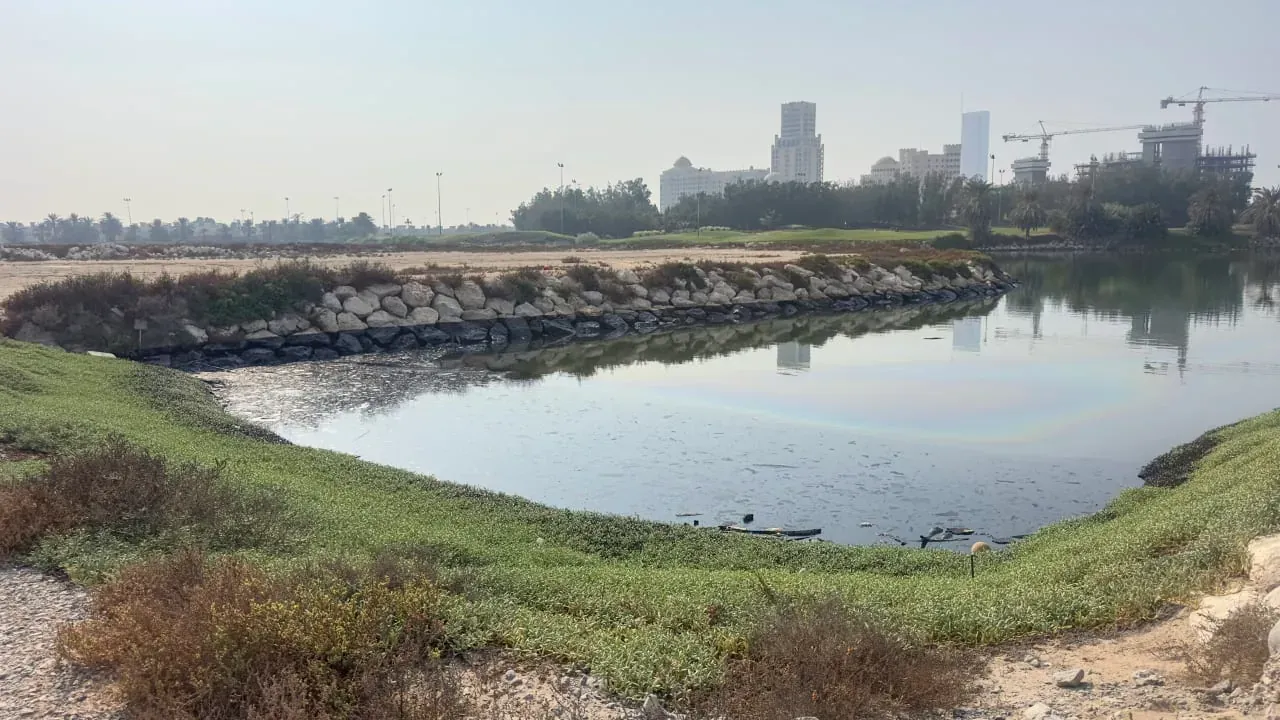
The United Arab Emirates said on Friday that an oil leak from the Gem No. 2 tanker had stopped. No new leakage had been detected, while cleanup teams continued work along coastlines affected by the spill. Authorities are monitoring the polluted areas and taking steps to limit further damage to the marine environment.
The oil slick is mainly located off Umm Al Quwain, a northern emirate on the UAE coast. Pollution has also spread towards nearby coastal areas in Ras Al Khaimah, Ajman and Sharjah. Officials said the level of marine pollution had fallen sharply, offering some relief as cleanup work continued.
The country’s environment ministry said teams were conducting field surveys, tracking the spread of the oil and removing pollution from affected areas. These efforts involve cooperation between federal and local authorities. Officials are also monitoring coastal waters to check whether the spill continues to pose a threat to the surrounding environment.
Some beaches and coastal areas have been temporarily closed as a precaution. However, the ministry stressed that the closures did not mean oil pollution had been found at every site. Authorities are using the restrictions to reduce possible risks while they assess local conditions.
The cause of the leak has not been officially confirmed. However, shipping sources said the tanker was struck by a projectile on October 9. The incident reportedly caused a fire, which was later extinguished. The reported attack came amid rising security risks for commercial vessels operating in Gulf waters.
The tanker has since undergone repair work. According to information cited by the state news agency WAM, technical teams have repaired damaged parts of the vessel and restored some of its operating systems. They are also checking the condition of its structure to decide how it can be handled safely.
These checks are important because damage to a tanker can create further risks during movement or repair. Authorities must ensure that the vessel remains stable and that any remaining oil can be managed without causing another leak. The latest statement that no new oil was detected suggests that the immediate flow has stopped, although monitoring and cleanup operations remain necessary.
The spill has raised concerns about the environmental impact on the UAE’s northern coastline. Oil pollution can harm marine life, affect coastal habitats and disrupt activities that depend on clean water. The scale of the damage will depend on how much oil entered the sea, how far it spread and how quickly contaminated areas can be cleaned.
The incident also highlights the wider risks facing shipping in the Gulf. Since the start of the US-Israeli war with Iran, attacks on commercial vessels have increased concerns about maritime security. The region is an important route for global energy supplies and other goods, making safe passage a major concern for governments and shipping companies.
Beyond the immediate threat to vessels, such incidents can create environmental problems that last well after an attack or accident. Oil can spread across the water, reach beaches and affect marine organisms. Cleanup work may require repeated surveys and careful removal of contaminated material to prevent further damage.
The UAE has also sought to reassure residents about food safety and drinking water. Officials said fish and other food products sold in markets remained safe for human consumption. They also said precautionary measures had been taken to protect drinking water supplies, adding that these steps would not affect water distribution.
The issue is especially important because the UAE relies heavily on desalination plants to supply drinking water. These facilities turn seawater into water suitable for human use. Marine pollution near coastal infrastructure can therefore create concerns about water quality and the need for extra monitoring.
Much of the country’s economy is also concentrated along its coast. Major ports, industrial sites and other important facilities operate near the sea. A significant oil spill could affect shipping, tourism, fishing and other coastal activities if pollution reaches sensitive areas.
For now, the authorities say the leak has stopped and the density of marine pollution has declined. However, cleanup teams continue to inspect affected coastlines and track conditions in the water. Temporary beach closures remain a precaution while officials assess the situation.
The next steps will focus on completing the cleanup, confirming the condition of the tanker and checking whether any further oil has entered the sea. Authorities have yet to provide a confirmed explanation for the reported damage to the vessel.
The incident remains a reminder of the environmental risks linked to maritime security in the Gulf. While the end of the leak is a positive development, the full impact on coastal waters and marine life will depend on the results of ongoing inspections and cleanup efforts.

