


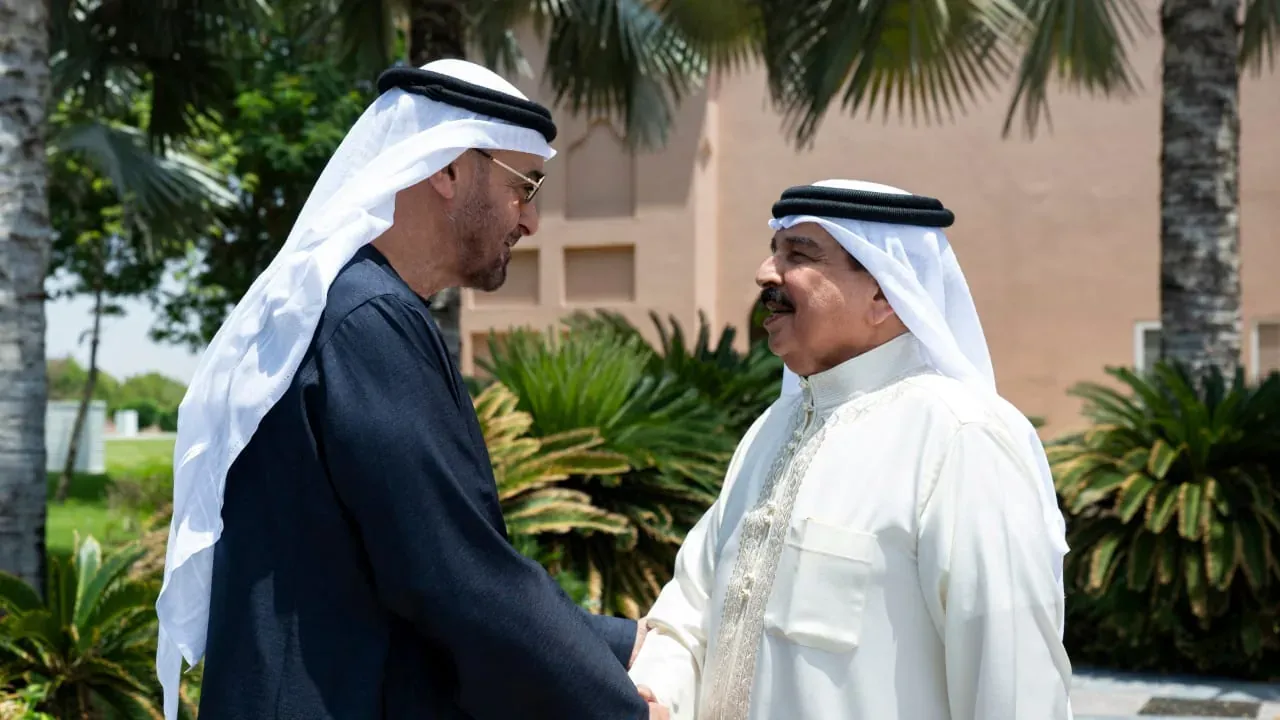
The United Arab Emirates hopes a diplomatic breakthrough can help end the conflict with Iran and prevent another round of fighting in the Middle East. Anwar Gargash, a diplomatic adviser to the UAE president, said Sunday that his country wants peace but is also preparing for further escalation.
Gargash made the comments at the 22nd annual Manama Dialogue conference in Bahrain. The event brought together regional leaders, diplomats and security experts to discuss major threats and future cooperation across the Middle East.
He stressed that the security of Gulf states is closely linked. Any threat to one country, he said, could affect the wider region, including the UAE.
Gargash also warned that trust between the UAE and Iran had been damaged by the conflict. He said his country did not want to see another round of confrontation and hoped that diplomatic efforts could help reduce tensions.
The conference was organized by the International Institute for Strategic Studies. It provided a forum for officials to discuss regional security, political challenges and ways to prevent further violence.
Despite the UAE’s support for diplomacy, Gargash said the country was ready for a worst-case scenario. He noted that the Emirates had prepared for serious security threats in the past and would continue to protect its interests.
The conflict began on February 28, when the United States and Israel launched strikes against Iran. Tehran responded with attacks across the Gulf region, while threats to shipping have raised concern about trade and energy supplies.
The Strait of Hormuz remains a major point of concern. The narrow waterway is a vital route for global oil and gas shipments. The UAE hopes conditions can return to those that existed before the war, when commercial vessels could use the route without the current level of danger.
Iran has been accused of attacking ships since the conflict began. Any further disruption could affect regional economies and international energy markets. Gulf governments therefore have a strong interest in reducing tensions and restoring safe passage through the waterway.
The diplomatic discussions in Bahrain came as the United States prepared for midterm elections and Israel faced political talks over forming a coalition government. These developments add to the uncertainty surrounding regional policy and future negotiations.
Syria’s government also used the conference to call for diplomatic solutions. Foreign Affairs and Expatriates Minister Asaad Hassan al-Shaibani said negotiations were the best way to build peaceful and secure relations with other countries.
Shaibani accused Israel of taking hostile actions against Syria. He referred to airstrikes and military activity that, he said, had harmed the country and its people.
He added that Syria had pursued negotiations since the start of its liberation and believed US mediation could help end Israeli attacks. He said such efforts could produce positive results for all parties.
Shaibani also described Syria as entering a new stage as it faces major economic and reconstruction challenges. Estimates from the World Bank put the cost of rebuilding damage caused by the war at about $250 billion.
The Syrian minister took part in a session on regional security and met Bahrain’s National Security Adviser and Royal Guard Commander, Lieutenant General Sheikh Nasser bin Hamad Al Khalifa.
Relations between Syria and Qatar were also part of the wider discussions. Syrian Defense Minister Major General Murhaf Abu Qasra met Qatar’s Deputy Prime Minister and Defense Minister, Saoud bin Abdulrahman Al Thani.
The two officials discussed regional and international developments and ways to strengthen military cooperation. Their meeting followed earlier talks on coordination and efforts to support regional security and stability.
Meanwhile, the Saudi-led military coalition announced an operation targeting resources used by Yemen’s Houthi movement. The coalition said the action took place on Sunday morning and aimed to limit threats to civilians, infrastructure and shipping routes.
Coalition spokesperson Turki Al-Maliki said the Iran-backed Houthis were using important resources to improve their military capabilities, including ballistic missiles and drones. He said the operation was intended to counter threats to Yemen, Saudi Arabia and shipping in the southern Red Sea.
The announcement showed that security concerns remain serious despite calls for diplomacy at the Manama Dialogue. While Gulf states seek ways to reduce tensions with Iran, military operations and regional threats continue.
For the UAE, the main goal is to prevent another war while protecting its national security. Gargash’s comments reflected the challenge facing Gulf governments: they want negotiations to succeed, but they are also preparing for the possibility that diplomatic efforts may fail.

