


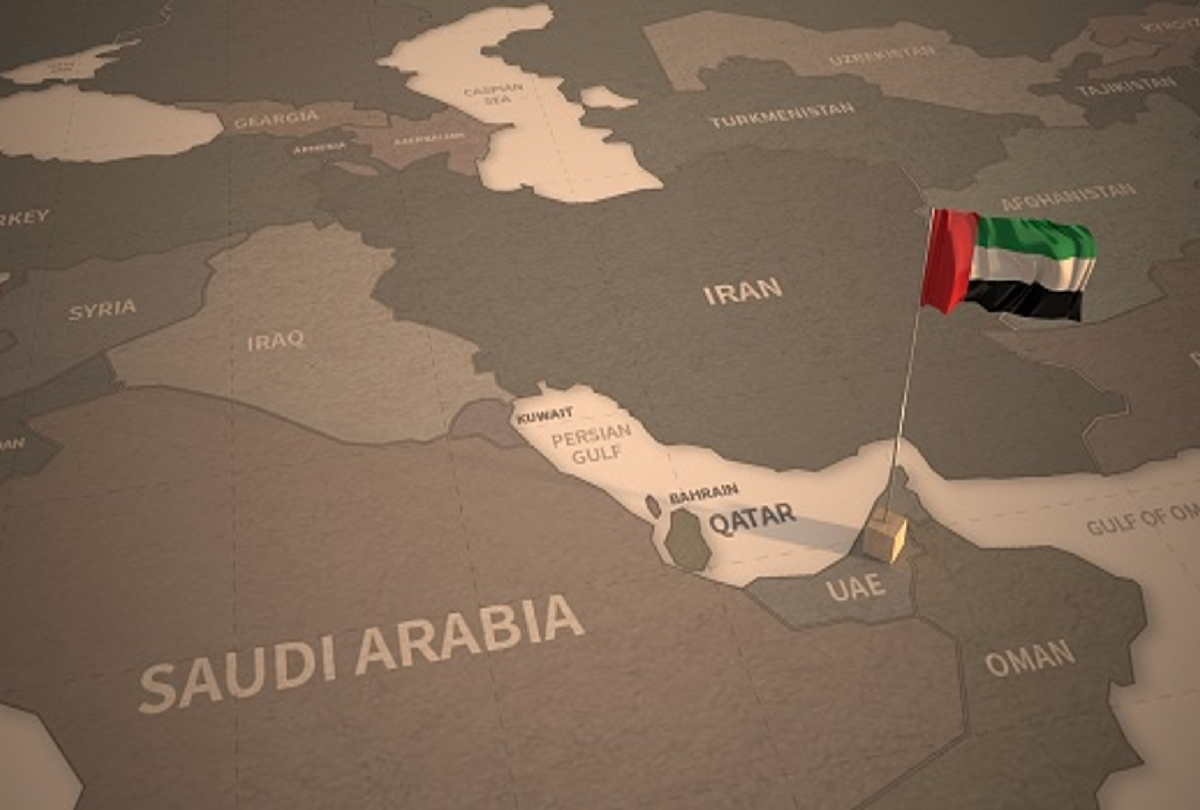
A drone attack linked to Iran caused a fire at a major oil industry zone in the United Arab Emirates on Monday. The incident came as UAE forces intercepted three Iranian missiles over the country’s waters. A fourth missile fell into the sea, according to the UAE authorities.
The fire broke out at the Fujairah Oil Industry Zone, an important centre for the country’s energy sector. The Fujairah Media Office said civil defence teams were sent to the site immediately to control the blaze.
Three Indian citizens suffered moderate injuries during the attack. They were taken to hospital for medical treatment, the media office said. Authorities did not provide further details about their conditions or the full extent of the damage.
The UAE Defence Ministry confirmed the missile interceptions in a statement posted on X. It said its forces had stopped three missiles while another landed in the sea. The ministry did not report any further details about the intended targets.
The attacks also led authorities to issue emergency mobile phone alerts in Dubai and Abu Dhabi. The warnings told residents about the possibility of missile attacks and urged people to follow official safety instructions.
The latest incident has raised fresh concerns about security in the Gulf. It also ended a period of relative calm in the UAE after a ceasefire between the United States and Iran took effect on April 8. Pakistan helped mediate the agreement, which paused more than two months of intense fighting in the region.
Before the ceasefire, the UAE had faced repeated threats from drones and missiles during the conflict. The government said its defence systems had intercepted and destroyed thousands of incoming weapons. Monday’s events show that the risk to the country’s infrastructure has not fully disappeared.
Iran’s Revolutionary Guards Navy also issued a map that it said showed an expansion of areas under Iranian control near the Strait of Hormuz. Reports by Iranian news agencies said the map included the UAE ports of Fujairah and Khorfakkan. It also covered parts of the coast of Umm Al Quwain.
The map has added to concerns about shipping and energy security in the region. The Strait of Hormuz is one of the world’s most important routes for oil and gas shipments. Any threat to traffic through the waterway can affect energy supplies and global markets.
Fujairah has a key role in the UAE’s oil export network. It is located on the Gulf of Oman, outside the Strait of Hormuz. The port has become more important during the conflict because it gives the UAE another route to send crude oil to international buyers.
The Abu Dhabi Crude Oil Pipeline ends near Fujairah. It carries crude from inland oil fields to the coast, allowing shipments to leave through the Gulf of Oman without passing through the Strait of Hormuz.
This route has helped the UAE maintain oil exports even when the main shipping channel faced serious security threats. It has also made Fujairah’s energy facilities a key part of the country’s efforts to protect its export operations.
However, the port and nearby oil facilities have faced attacks before. On March 14, a drone strike hit the Port of Fujairah and caused fires. The incident forced the temporary suspension of some oil-loading operations.
Monday’s attack has renewed questions about the safety of the same energy infrastructure. A major fire or long disruption at Fujairah could affect the movement of crude oil from the UAE to overseas markets.
The latest developments also come as regional governments continue to deal with the effects of the conflict. Although the April 8 ceasefire reduced direct fighting, military threats and tensions around the Strait of Hormuz remain important concerns.
The UAE has not announced a wider disruption to its oil export system following Monday’s attack. Officials have confirmed the fire, the injuries and the missile interceptions. Further information about damage to the oil zone and any effect on operations may emerge as authorities assess the incident.
For now, the attack highlights the continuing risks facing Gulf energy facilities. Fujairah remains a vital export route for the UAE, making the security of its port and oil industry zone important for both regional stability and global energy supplies.

