


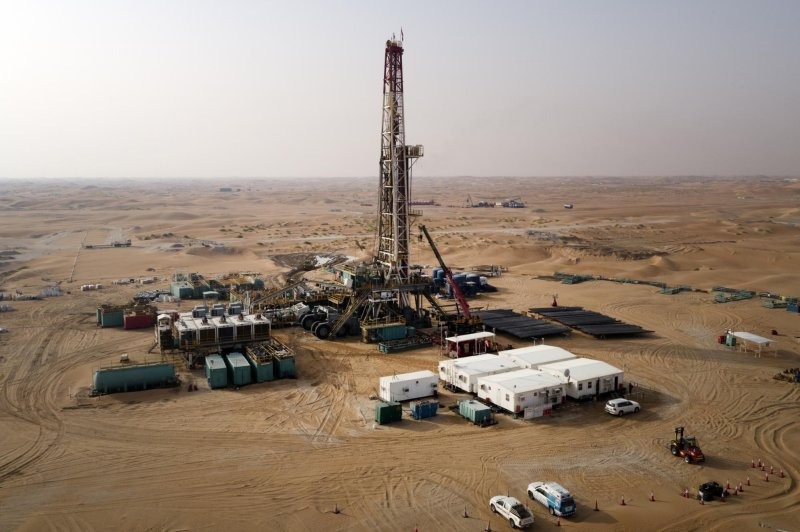
A major oil field in the United Arab Emirates is set for a $272 million infrastructure upgrade. The project aims to support long-term crude oil production and strengthen the field’s ability to maintain output.
The investment will fund a new water treatment facility at the Haliba oil field. The field is jointly developed by Abu Dhabi National Oil Company, South Korea’s Korea National Oil Corporation and GS Energy. Commercial production began in 2019.
The new facility is designed to support a production target of 50,000 barrels of crude oil per day. It will improve the field’s ability to process water that comes out of the ground during oil production.
Al Dhafra Petroleum, the operator of the field, signed a contract worth 1 billion UAE dirhams, equal to about $272 million, with Excel Astra Engineering and Construction. Abu Dhabi National Oil Company and industry sources confirmed the agreement on Monday.
The contract covers the design, construction and operation of the water treatment facility. Excel Astra will manage the project and operate the plant after construction is complete.
Abu Dhabi National Oil Company recently announced the agreement during the Abu Dhabi International Petroleum Exhibition and Conference. The deal is the largest design-build-operate contract signed by Al Dhafra Petroleum.
Korea National Oil Corporation also confirmed the contract and its value through its local operations. A company official said the details and amount were correct. The official added that the agreement was believed to have been signed around June or July. A formal ceremony was later held during the industry event.
The investment is focused on improving an existing oil field rather than opening a new exploration area. It marks another stage in a project that has moved from early exploration to commercial production and now to long-term infrastructure development.
Water treatment is an important part of oil field operations. As an oil field becomes older, the amount of water brought to the surface along with crude oil can rise. This water must be treated before it can be handled or used again in the production process.
If treatment facilities cannot manage the growing volume, oil production may face limits. The new plant is expected to improve the field’s capacity to process this water and reduce the risk of interruptions.
The facility will also connect with the field’s existing crude oil gathering system. This will help support regular operations and allow the project partners to work towards their daily production goal.
The ownership structure reflects cooperation between UAE and South Korean energy companies. Abu Dhabi National Oil Company holds a 60% stake in the project. Korea National Oil Corporation owns 30%, while GS Energy holds the remaining 10%.
The South Korean companies first entered the project in March 2012, when the consortium signed an agreement to take part in exploration activities in the area. The partners then carried out appraisal drilling and production tests to assess the field’s commercial potential.
After years of development, the Haliba field began commercial operations in June 2019. The start of production marked an important step for South Korea’s overseas energy development efforts.
The project showed that South Korean companies could take part in oil exploration in the UAE and help move a resource project into commercial production. The latest investment is intended to protect that progress and build a stronger base for future output.
The new contract covers a long period of work. Excel Astra has identified the project period as running from 2026 to 2033. The schedule includes design, construction, operation and maintenance of the facility.
This means the agreement is not limited to building a treatment plant. It also gives the contractor responsibility for running and maintaining the system over several years.
The partners have not disclosed the field’s current daily production volume. They have also not announced a specific date for the facility’s completion.
The $272 million investment highlights the growing importance of infrastructure at mature oil fields. Better water treatment can help producers manage changing field conditions and maintain stable crude output.
For the UAE, the project supports efforts to strengthen domestic oil production capacity. For South Korea, it extends a long-term overseas energy partnership that has progressed from exploration to production and now to further infrastructure development.

