


For years, wealthy families have looked to Dubai, Abu Dhabi and Malta when seeking a second home or a base for managing global wealth. These places offer tax benefits, strong services and access to major markets. Now, the Caribbean island of Nevis wants to attract more of these families.
Mark Brantley, Premier of Nevis, believes the island can become a new option for high-net-worth and ultra-high-net-worth families. He says the key is to give wealthy people more choices as global risks grow.
“We want Nevis to be part of that equation,” Brantley said in a recent interview. He used the word “optionality” to explain the island’s plan. His goal is to make Nevis part of a wider network of places that wealthy families can use to protect their assets and manage their lives.
The move comes as global wealth centers face new risks. Dubai and Abu Dhabi have built large systems for international investors. They offer private banking, asset management, luxury homes and access to global markets. Their airports and business networks also make them useful for family offices.
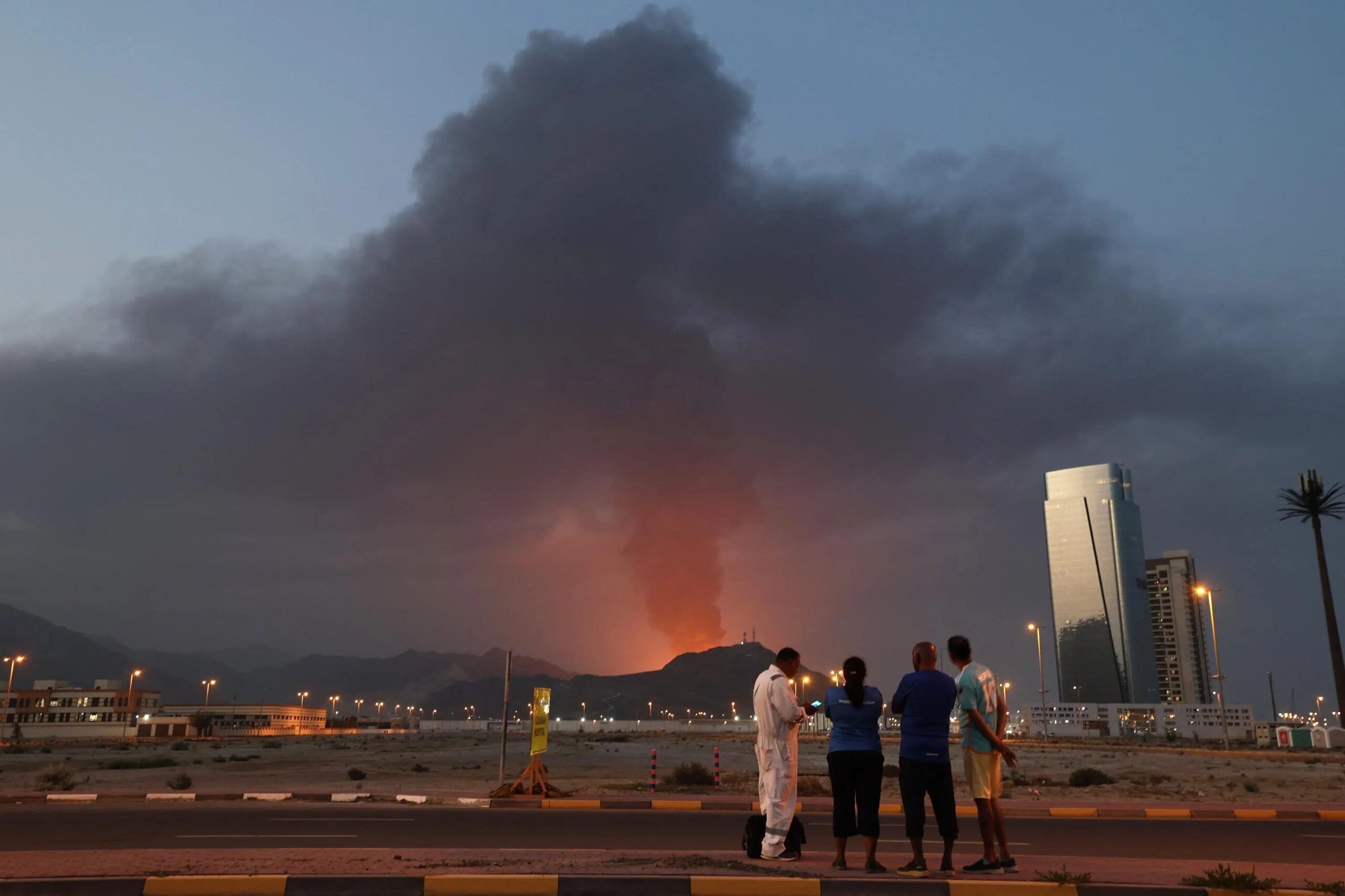
However, the conflict involving Iran has raised fresh concerns about safety in the Middle East. Some wealthy families in the Gulf are now thinking more about backup plans. They may look for other places to live or hold part of their wealth.
This does not mean that families are leaving the UAE. Dubai remains a major global wealth center. But many families now see the need to spread their homes, assets and business interests across more than one region.
Malta offers a different choice. It gives wealthy families access to Europe, an English-speaking business setting and a strong network of legal and financial experts. It can also help families who want to live in Europe, educate their children there or manage assets under European rules.
Yet Europe has its own risks. Russia’s war in Ukraine has shown how fast conflict can affect the wider region. Changes in tax rules and tighter financial laws have also made some wealthy families review their plans.
Nevis is trying to offer something different from both the UAE and Malta. It is a small English-speaking island in the Caribbean. It follows the common-law system and has links to the United States through its location in the Western Hemisphere.
The island has spent about 40 years building its international financial services sector. Its laws support trusts, limited liability companies and asset protection plans. These services can help families manage estates, hold assets and set up global business structures.
Brantley says Nevis has not received the same attention as well-known financial centers such as Cayman and Bermuda. He believes the island now needs to become part of the global wealth debate.
He also points to what he calls a “geopolitical irrelevance dividend.” Nevis is not a major military power or a global political center. It is a small Caribbean democracy, far from many of the disputes that affect larger financial hubs.
For wealthy families, this distance may offer an added sense of security. The island’s tourism message has long focused on “sun, sea and sand.” Brantley says its appeal to wealthy people can also rest on “safety, security and stability.”
Nevis is also working to improve access to the island. Plans to expand Vance W. Amory International Airport include a longer runway of about 6,000 feet. The project also aims to improve space for private aircraft. Future plans include apron and parking areas that could hold up to 50 private jets.
Better airport access could help Nevis attract family offices and wealthy visitors from the U.S. East Coast. It could also make the island a useful stop for private flights across the Caribbean.
For global families, a wealth plan does not need to depend on one country. They may keep investment teams in New York, banking links in Switzerland and homes in Dubai or Malta. Nevis could play another role as a trust location, holding company base or second home.
This approach allows families to spread their interests across several legal and political systems. It can also reduce the risk of keeping too much wealth in one place.
Nevis cannot match the size of Dubai or offer Malta’s direct access to Europe. Its plan is to serve a different need. It wants to attract families that value a quiet setting, legal stability and distance from major global tensions.
The island also has an established democratic system and an English common-law tradition. Its final court of appeal is the Judicial Committee of the Privy Council in London. Its location also makes travel to the United States possible without placing families in the center of major global power disputes.
For Nevis, the challenge will be to turn these features into a wider international profile. Better airport access, strong legal services and clear rules may help support that goal.
As global risks shape decisions about wealth and residence, families may seek more than one safe base. Dubai has built a major wealth center, while Malta offers a route into Europe. Nevis now hopes to add a Caribbean option to that global network.

