


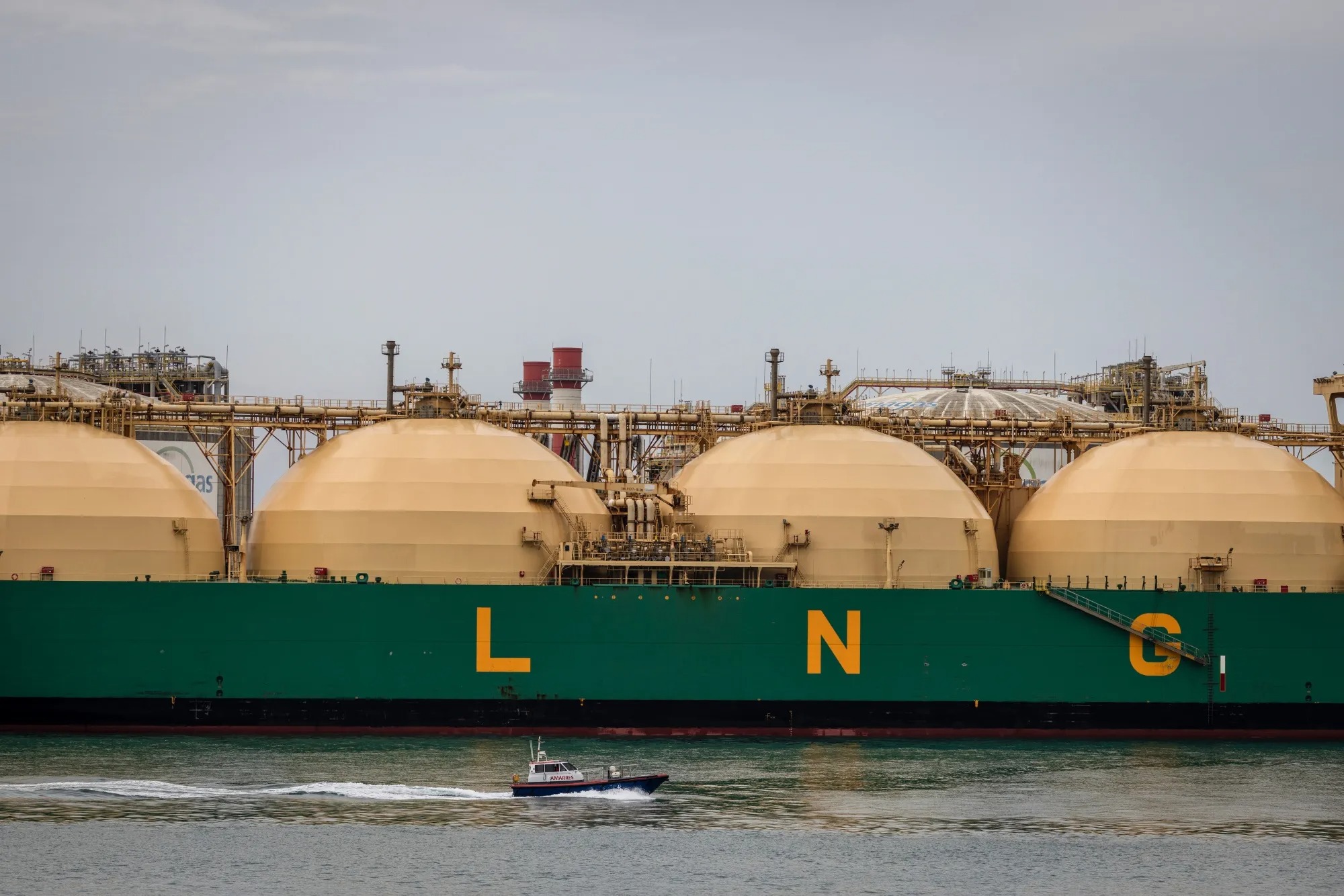
Liquefied natural gas exports from the Persian Gulf are showing early signs of recovery after months of severe disruption, as producers work to move more cargoes through the Strait of Hormuz and ease pressure on global energy markets.
New shipping and satellite-tracking data indicate that LNG shipments have started to increase in recent days. At least two LNG carriers successfully transited the Strait of Hormuz this week, while two additional vessels were involved in ship-to-ship transfer operations off the coast of Oman.
The activity suggests that major LNG exporters in the Gulf region are intensifying efforts to restore supply flows through one of the world’s most important energy corridors. Qatar and the United Arab Emirates are among the leading producers seeking ways to move cargoes despite ongoing logistical and security challenges.
The Strait of Hormuz remains a critical route for global energy trade. A significant share of the world’s oil and natural gas exports passes through the narrow waterway connecting the Persian Gulf to international markets. Any disruption to traffic in the area can have immediate effects on global energy prices.
While oil exports have gradually recovered in recent months, LNG shipments have faced greater obstacles. Industry analysts note that moving liquefied natural gas through the Strait is more complicated than transporting crude oil.
Oil producers have been able to use alternative methods, including dark tanker movements and offshore ship-to-ship transfers, to continue deliveries. LNG cargoes, however, require specialized vessels and handling systems, making similar workarounds more difficult.
Despite these challenges, shipping data indicates that LNG producers are finding new ways to maintain exports. Satellite images have identified at least three LNG ship-to-ship transfer operations outside the Strait of Hormuz during the past month. These transfers took place in waters off Oman and may provide an alternative method for moving cargoes to international customers.
Before disruptions affected the route, an average of three LNG cargoes exited the Strait every day. Recent shipment numbers remain below those levels, but the increase suggests exporters are making progress in restoring supply chains.
The slowdown in LNG exports from the Gulf has had a major impact on energy markets. Reduced availability of cargoes has contributed to higher natural gas prices across Asia and Europe. Buyers in both regions have been competing for supplies that do not depend on transit through the Strait of Hormuz.
Energy traders say the market has become increasingly tight as winter approaches in the Northern Hemisphere. European countries are continuing efforts to replenish gas storage facilities before colder weather increases demand.
Storage levels remain an important focus for policymakers and energy companies. Adequate inventories are viewed as essential for maintaining supply security during periods of peak consumption. Any additional disruption to LNG shipments could make storage targets more difficult to achieve.
Market analysts believe prices could move even higher in the coming months. Some industry experts estimate that LNG prices may have room to rise by around one-third from current levels if weather conditions become colder than expected.
Competition between Europe and Asia for spot LNG cargoes is also expected to intensify. Both regions rely heavily on imported natural gas and are seeking additional supplies ahead of winter demand.
The recent increase in LNG vessel activity offers some relief to energy markets, but uncertainty remains. Exporters continue to face operational challenges, and shipping volumes have not yet returned to historical levels.
Industry observers will closely monitor vessel movements through the Strait of Hormuz in the weeks ahead. Further increases in LNG traffic could help stabilize supply conditions and reduce pressure on global gas markets. However, sustained recovery will depend on whether producers can continue moving cargoes through the critical trade route while maintaining safe and reliable operations.
For now, the latest shipping activity provides one of the clearest signs that Gulf LNG exporters are working to restore exports and meet growing international demand as the winter season approaches.

