


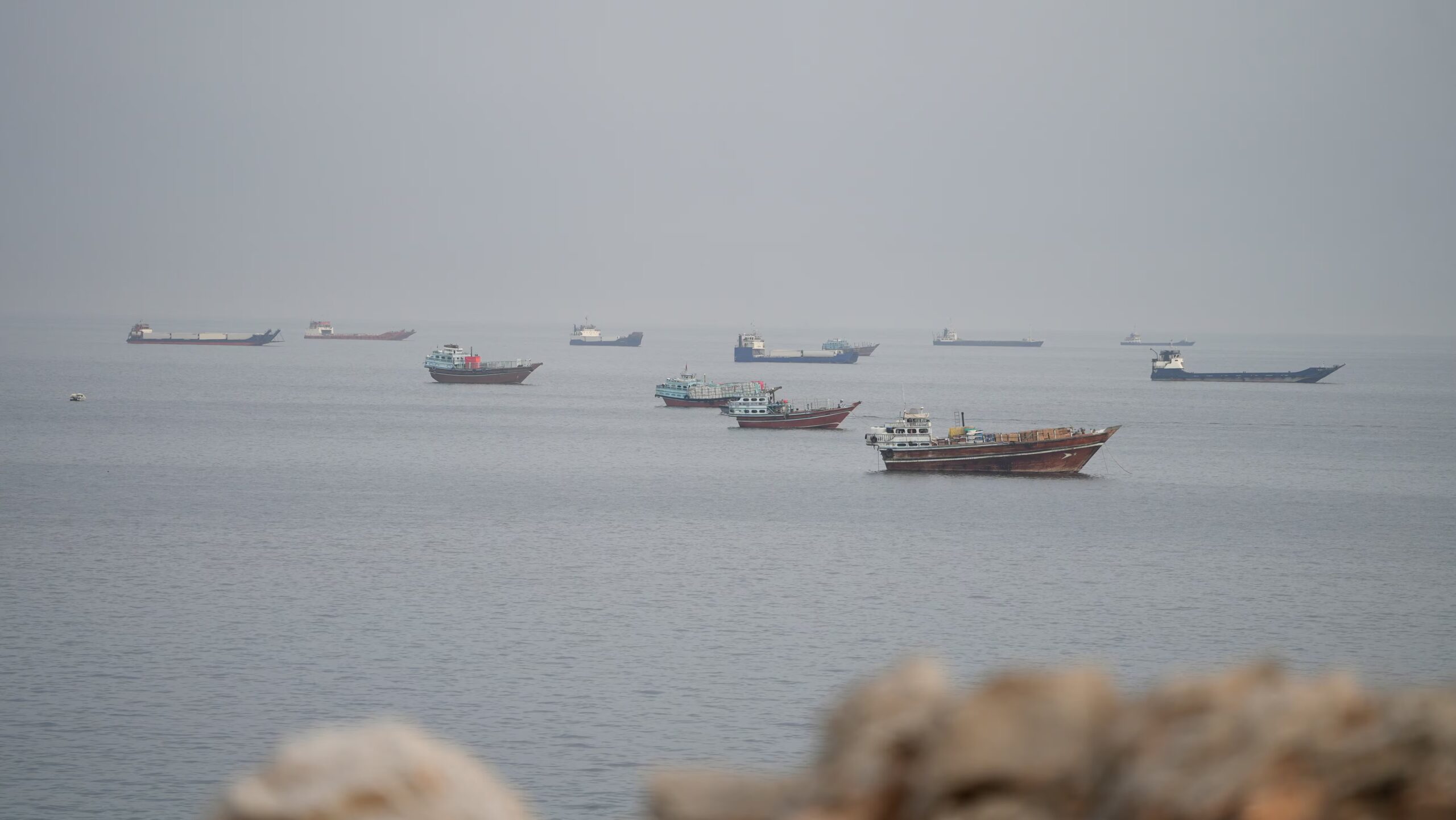
The United Arab Emirates has offered to sell Saudi crude oil from a tanker that was attacked and leaked oil off its coast last month. The unusual move comes as both countries try to keep oil exports moving despite rising security risks in the Gulf.
Three trade sources and a tender document show that the UAE offered the Saudi oil to potential buyers. The crude was carried by the Gem No. 2 tanker, which was struck by an unidentified projectile in October.
The attack caused an oil leak near the UAE coast. Authorities later stopped the leak in late October and continued cleanup work along the affected coastline. The incident raised concerns about the safety of oil shipments in the region.
The UAE energy ministry offered Saudi Arab Light crude for sale through a tender. According to the document, buyers could arrange to load the oil through a ship-to-ship transfer between November 10 and November 20.
The tender closed on Monday. An initial offer covered around 1.7 million barrels of crude oil. However, a later document showed that the amount was increased to about 1.87 million barrels.
The sale is unusual because the UAE does not often market crude oil belonging to Saudi Arabia. One trade source said Saudi Aramco had given the UAE permission to sell the cargo on its behalf.
The terms offered for the Saudi crude were similar to those used by Abu Dhabi National Oil Company, known as ADNOC, according to one person familiar with the matter. This suggests the UAE used a similar sales approach for the cargo.
Saudi Aramco and the UAE government did not respond to requests for comment. The companies have not publicly explained the reason for the unusual arrangement or provided further details about the sale.
The move comes at a difficult time for oil exporters across the Middle East. Since the start of the US-Israeli war with Iran, attacks on commercial ships in the Gulf have increased concerns about maritime security.
The Strait of Hormuz remains a major concern for energy markets. The narrow waterway connects the Gulf to international shipping routes and is one of the world’s most important paths for crude oil exports.
Any disruption to shipping through the area can affect oil supplies, transport costs and global energy prices. Attacks on vessels have also increased insurance costs and raised concerns among shipping companies and oil buyers.
Iran has been linked to threats and attacks on commercial shipping in the region during the conflict. These developments have made it harder for oil producers to move cargoes safely and maintain normal export operations.
Both Saudi Arabia and the UAE have continued looking for ways to protect their oil trade. The countries have offered financial incentives to attract international buyers and keep shipments moving despite the risks.
Trade sources said the incentives include discounts on shipping costs. Lower freight charges can make oil cargoes more attractive to buyers who face higher transport expenses and insurance costs.
The UAE’s offer to sell Saudi crude also highlights the pressure facing regional oil exporters. The tanker attack created an unusual situation in which a cargo belonging to Saudi Arabia was offered for sale through the UAE.
Ship-to-ship transfers can help oil exporters move crude without relying on a traditional port loading process. Under this method, oil is transferred directly from one vessel to another at sea. However, the process requires careful planning and suitable weather and security conditions.
The Gem No. 2 incident has also drawn attention to the environmental risks of attacks on oil tankers. A damaged vessel can release crude into the sea, threatening marine life, coastal areas and local economic activity.
Although UAE authorities said the leak had been stopped, cleanup operations continued along the coast. The full environmental impact of the incident was not detailed in the available information.
The latest sale arrangement shows how the conflict is changing the way oil companies and governments handle exports. Saudi Arabia and the UAE are seeking to maintain access to international buyers while dealing with higher security and transport costs.
The offer of nearly 1.87 million barrels of Saudi Arab Light crude is one example of this effort. However, the final buyer, sale price and delivery arrangements were not disclosed in the tender information.
For now, both countries face the challenge of keeping oil exports stable while threats to commercial shipping continue. The situation around the Strait of Hormuz remains a key factor for regional energy trade and global oil markets.

