


The United Arab Emirates is accelerating efforts to develop alternative trade and energy corridors as it seeks to reduce the impact of regional instability and safeguard its economic interests amid the ongoing conflict involving Iran.
Speaking at the Hili Forum in Abu Dhabi, UAE presidential adviser Anwar Gargash said the country is investing heavily in infrastructure projects designed to ensure that energy exports and commercial activity remain secure despite growing geopolitical tensions in the Gulf region.
The UAE’s strategy comes after months of heightened security concerns following missile attacks and maritime incidents linked to the conflict. Gulf nations have faced increasing challenges as disruptions in key shipping lanes raised concerns about trade flows, energy supplies, and regional stability.
Gargash stressed that the UAE is determined to prevent its economy from becoming vulnerable to external threats. He said the country is taking practical steps to strengthen supply chains and create alternative routes for the movement of goods and energy resources.
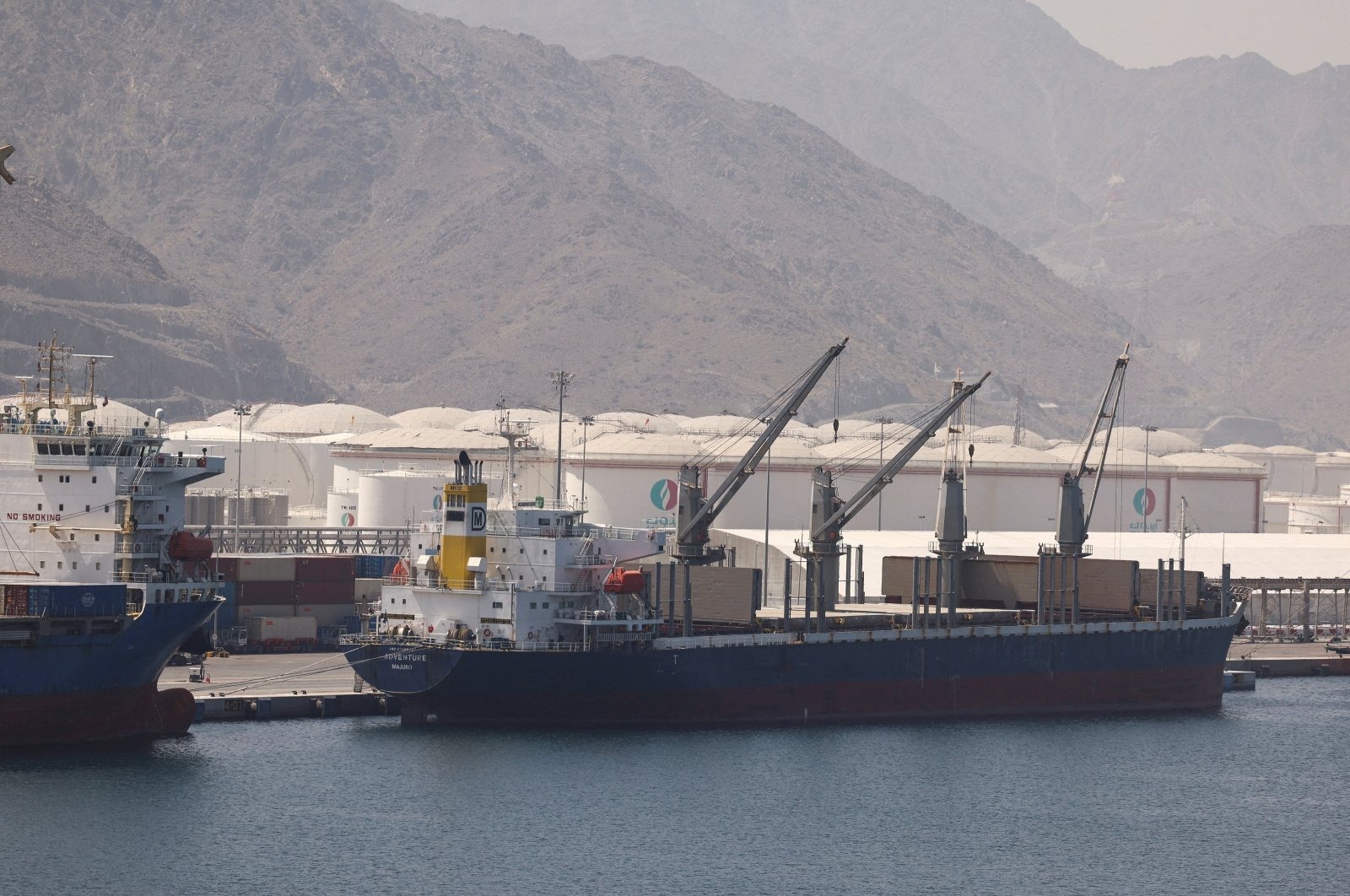
According to Gargash, the UAE has expanded port facilities along its eastern coastline while also investing in pipeline networks, railway systems, and new trade corridors. These projects are intended to provide alternative pathways for exports and imports, reducing dependence on routes that could be affected by regional conflict.
The Gulf region remains one of the world’s most important energy-producing areas, making secure transport infrastructure a critical priority. Any disruption to trade routes can have significant consequences not only for regional economies but also for global energy markets.
Officials believe that strengthening logistics networks will improve resilience and help maintain economic activity during periods of uncertainty. The UAE has spent years positioning itself as a major international trade and transportation hub, and the latest investments are seen as part of that long-term strategy.
While discussing regional relations, Gargash acknowledged that future cooperation with Iran remains possible. However, he warned that rebuilding trust after recent attacks would be a much more difficult process.
He noted that diplomatic relations and practical cooperation could eventually return, but confidence between neighboring countries has been damaged by recent events. According to Gargash, restoring that trust may take many years.
The UAE took a major step in August by suspending financial and economic transactions with Iran. Emirati officials cited escalating military actions and security threats as reasons for the decision. The move reflected growing concerns among Gulf states about the impact of the conflict on regional stability.
Gargash also used the forum to reflect on the broader response of Gulf Arab nations to the challenges posed by Iran. He suggested that while many countries shared similar concerns about regional security, collective action had not always matched the level of agreement on the nature of the threat.
According to the adviser, Gulf states have long understood the challenges facing the region. However, he argued that translating that shared understanding into a coordinated and strategic response has proven more difficult.
His comments highlighted ongoing discussions within the Gulf about regional security cooperation and collective defense. Analysts say recent events have encouraged governments to reassess how they work together on common challenges.
The conflict has also renewed attention on critical maritime routes such as the Strait of Hormuz, one of the world’s most important energy transit corridors. Disruptions in the area have raised concerns among governments, businesses, and investors around the globe.
Economic experts note that countries heavily dependent on international trade must continually adapt to changing geopolitical conditions. Investments in alternative routes, transportation systems, and logistics infrastructure are increasingly viewed as essential tools for protecting national economies.
For the UAE, these projects represent both a response to immediate challenges and a broader effort to strengthen long-term economic resilience. By expanding trade corridors and export options, officials hope to reduce risks associated with regional instability.
As tensions continue across the Gulf, the UAE’s focus on infrastructure and alternative transport routes is expected to remain a key part of its economic strategy. The success of these efforts could help shape how the country navigates future regional challenges while maintaining its role as a leading global trade and energy hub.

