


The United States has asked Russia to present a new proposal for a future security agreement with Europe as part of wider efforts to end the war in Ukraine. The request calls for Moscow to explain its security concerns while also offering steps to reduce tensions and reassure European countries.
Two sources familiar with the discussions said the proposal became a major issue during recent negotiations in Abu Dhabi. The Trump administration wants to explore a wider agreement between Russia and Europe alongside a deal to end the fighting in Ukraine.
The issue is important because Moscow has long demanded changes to Europe’s security system. Russia has sought limits on NATO expansion and a reduction in the alliance’s military presence in Eastern Europe. Washington rejected such demands in the past, but the current administration appears willing to discuss a new arrangement as part of a broader peace effort.
However, many European governments remain deeply concerned about the approach and fear that decisions affecting their security could be made without their full participation.
US President Donald Trump’s special envoys, Jared Kushner and Steve Witkoff, are expected to meet Russian President Vladimir Putin in Moscow on Thursday. They will repeat Washington’s request for a new Russian proposal and seek approval for European representatives to join future peace talks.
After their meeting with Putin, Kushner and Witkoff are expected to travel to Dublin. They plan to meet Ukrainian President Volodymyr Zelensky on Thursday evening.
The diplomatic push follows the first direct meetings between Ukrainian and Russian officials with US mediators present since February. Earlier negotiations had been suspended as the war in Iran disrupted diplomatic efforts.
Recent meetings between the US envoys, Putin and Zelensky have helped create fresh momentum. Putin agreed to resume peace talks and release US citizen Stephen Hubbard, who had been detained in Russia in 2022. The US team, working with First Lady Melania Trump’s team, also helped broker a humanitarian ceasefire in the Ukrainian city of Oleshky.
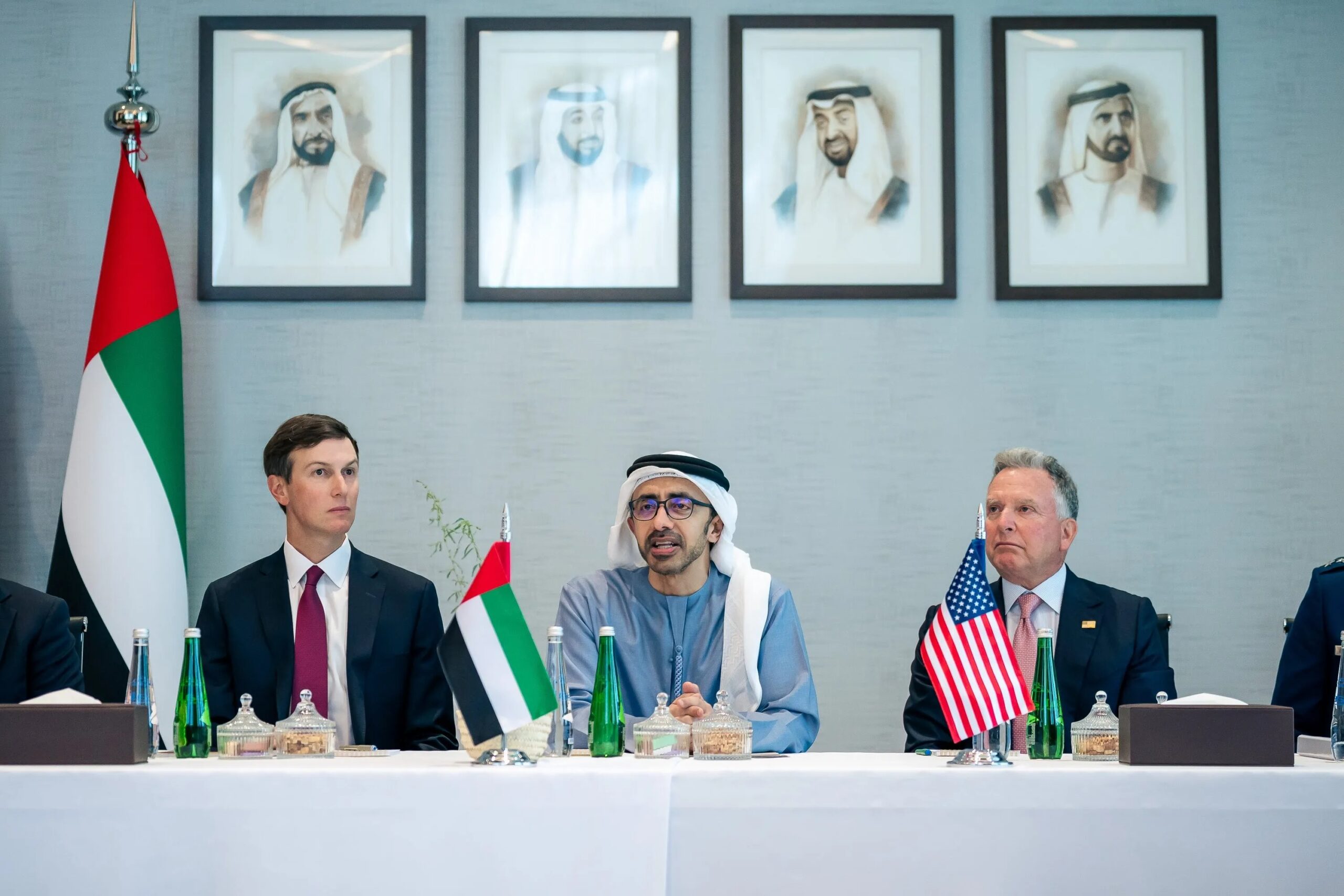
The latest talks in Abu Dhabi began on Tuesday. Witkoff, Kushner and US European Command chief General Alexus Grynkewich served as mediators between the Russian and Ukrainian delegations.
One important outcome was an agreement on a prisoner exchange. Kushner and Ukrainian negotiator David Arakhamia described the proposed exchange as potentially the largest since the war began. The exact number of prisoners to be released is expected to be settled during further discussions with Putin and Zelensky.
Before and after the negotiations, US and Ukrainian officials also briefed senior diplomats from Germany, the United Kingdom, France, Italy, the European Union and NATO.
The discussions between Russian and Ukrainian representatives were difficult at first. A source who attended the meetings said both sides expressed strong grievances after about nine months without direct talks.
Kushner and Witkoff tried to calm the discussions and encouraged both delegations to focus on developing options for their leaders. The atmosphere later became more constructive after each side presented its position.
Kushner described the negotiations as difficult. Arakhamia said the Russian delegation arrived with strict instructions that were hard to soften, although he considered the talks productive.
The proposed Russia-Europe security agreement was one of the central issues. Russian negotiators argued that Putin launched the invasion of Ukraine because former US President Joe Biden did not respond to a letter Putin sent in 2021 outlining Moscow’s security concerns.
According to sources familiar with the discussions, Kushner and Witkoff told the Russian side that international circumstances had changed considerably since then. They asked Moscow to prepare a fresh proposal that explains its demands but also includes comparable steps it would take to reduce military tensions.
Washington wants Russia to offer measures that could reassure European countries that Moscow does not intend to attack them in the future. The US envoys also argued that European representatives must be allowed into future peace negotiations if broader security questions are to be discussed seriously.
Russia has so far resisted European participation. Vladimir Medinsky, Putin’s adviser and head of the Russian delegation, criticised several European leaders after the Abu Dhabi meetings. He accused them of misleading Ukrainians and contributing to civilian deaths, saying he did not understand what could be discussed with them.
Despite that criticism, Medinsky said Moscow wanted a broader security agreement with Europe as part of efforts to end the war.
The Trump administration hopes to negotiate the Ukraine peace deal and a new European security framework at the same time. However, a source familiar with the White House’s position said the new security arrangement would only be implemented after an agreement to end the war had been reached.
European Commission President Ursula von der Leyen has said Europe would discuss a new security structure only after the fighting ends. Still, sources said European officials involved in the Abu Dhabi discussions had agreed to engage with both diplomatic tracks simultaneously.
The US believes giving European representatives a role in the peace talks could make their governments more willing to discuss a wider agreement. Washington has also reportedly made clear that it will not reach a security deal with Russia without the support of Europe and Ukraine.
The US position is that Moscow will not receive a veto over Europe’s security decisions. The issue is expected to feature prominently at a meeting of European leaders in Dublin.
European diplomats say major disagreements and unanswered questions remain. Whether Russia is willing to offer meaningful steps to reduce tensions, and whether European governments will accept the proposed process, will help determine the future of the negotiations.

