


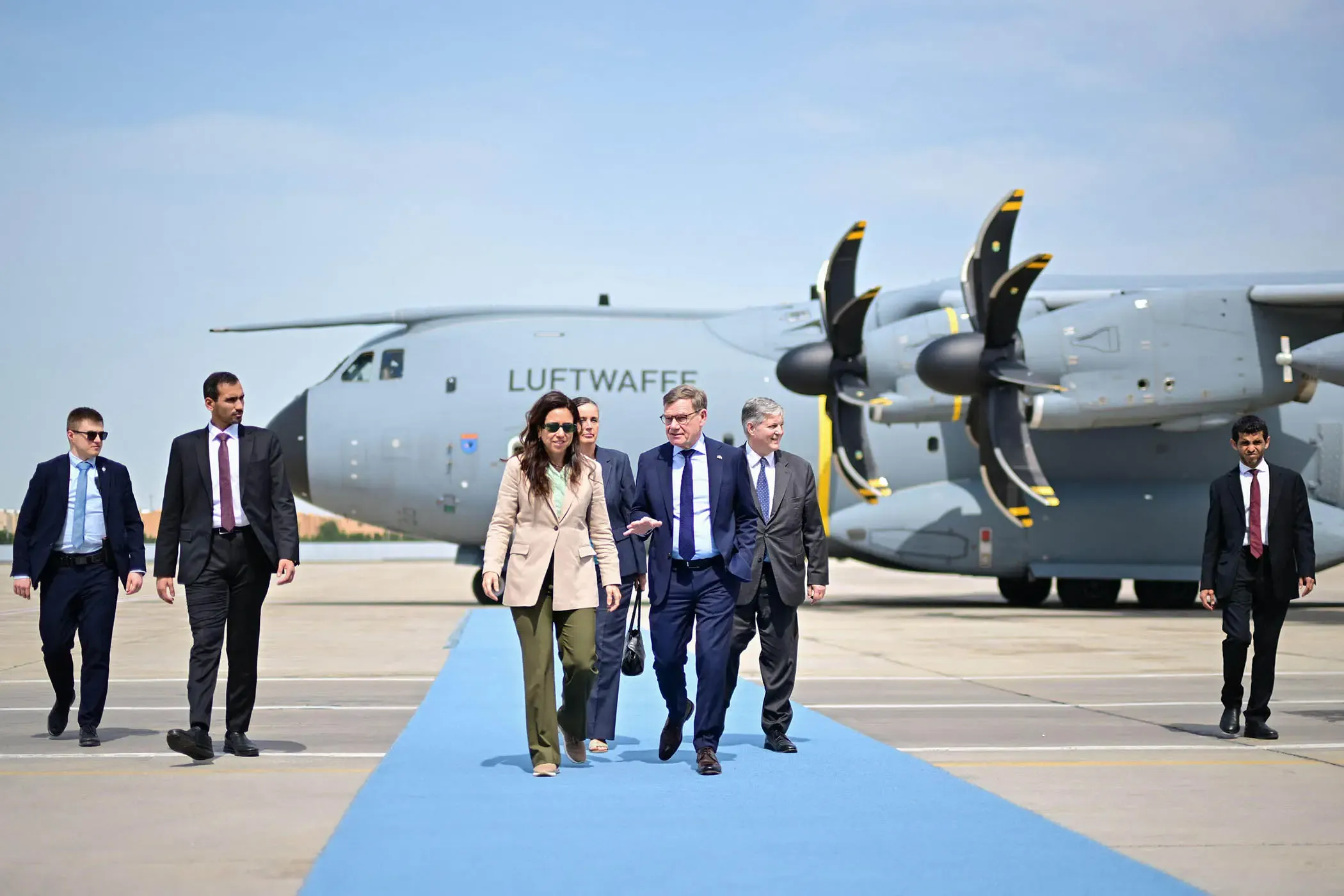
The United Arab Emirates (UAE) candidate for the next United Nations secretary general is facing growing criticism over the war in Sudan. Lana Nusseibeh’s campaign has come under pressure from human rights groups and diplomats. They have raised concerns about her past role in defending the UAE against claims of support for a paramilitary group accused of serious abuses.
The race to replace current UN chief António Guterres is entering a key stage. Less than two months remain before the post is due to be filled. Nusseibeh is currently in fourth place in informal polling. A diplomat from Costa Rica is leading the field.
However, the voting process is not based on polling alone. The five permanent members of the UN Security Council hold veto powers. They are Russia, China, the United States, France and the United Kingdom. Their support will be vital for any candidate seeking the top diplomatic role.
Richard Gowan, programme director for global issues and institutions at the International Crisis Group, said there was strong belief at the UN that Nusseibeh would not have entered the race without signals of support from powerful Security Council members.
He also said the UAE had shown skill in dealing with the current period of global political uncertainty. Such support could help Nusseibeh overcome the concerns raised about her candidacy.
Her late entry into the race has caused strong reactions. Human rights groups have questioned whether she can lead the UN while facing claims linked to the UAE’s role in Sudan. Some Latin American countries have also expressed anger. Under an informal UN practice, the next secretary general is generally expected to come from a different world region, with Latin America’s turn now being discussed.
Nusseibeh has tried to address the concerns. During a UN debate after announcing her candidacy, she said she had taken a leave of absence from her position as the UAE’s assistant minister for political affairs.
She also condemned the violence carried out by Sudan’s Rapid Support Forces (RSF). She said she would support UN fact-finding work and efforts to ensure justice for victims.
However, her record as a UAE diplomat has become a major issue in the campaign. In the past, she challenged findings by a UN panel of experts that accused the UAE of sending weapons and ammunition to the RSF through Chad. The alleged shipments were said to have been moved under the cover of humanitarian aid.
The UAE has repeatedly denied arming the group. Nusseibeh also disputed the UN findings during her time as a diplomat. This has led critics to question how she would deal with the Sudan war if she became secretary general.
Nusseibeh has described the situation in Sudan as horrific. She has also said that ending the conflict would be one of her main goals if elected.
In a statement, she said she would act on UN reports and resolutions that identify outside parties helping to sustain the war. She also said the next secretary general would face a major test over Sudan.
She called for an end to the fighting and urged all outside powers to stop supporting the warring sides. She also stressed that weapons must no longer flow into the country.
Nusseibeh said she would raise these concerns directly with any government that has influence over the groups involved in the conflict. She said she would do so without hesitation.
Her campaign could also create a difficult choice for the United Kingdom. The UK serves as the Security Council’s penholder on Sudan. This means it leads much of the work on drafting council resolutions and statements about the conflict.
London has already faced questions about its relationship with the UAE. Supporting Nusseibeh could therefore bring further scrutiny, while opposing her could affect wider ties with an important Gulf partner.
Daniel Safran-Hon, a former UN official who held several roles in the secretary general’s executive office, said the issue created a difficult balance between political interests and ethical concerns.
He described the choice as a clash between realpolitik and ethics. The UK must consider its role in the Sudan crisis while also weighing its diplomatic ties with the UAE.
An adviser to one of the other candidates offered a different view of the UK’s approach. The adviser said the next secretary general did not appear to be a major foreign policy issue for the government led by Burnham.
According to the adviser, discussions with Russia and China were longer and more detailed. Meetings with UK officials lasted about 20 minutes and appeared to be more formal.
The concerns surrounding Nusseibeh now place Sudan at the center of the UN leadership race. Her statements on ending the war may help address some criticism, but her past defense of the UAE’s position remains a key issue.
The final decision will depend heavily on Security Council support and the wider diplomatic process. As the selection moves forward, member states will face questions about the next UN chief’s independence, credibility and ability to address conflicts involving powerful governments.

