


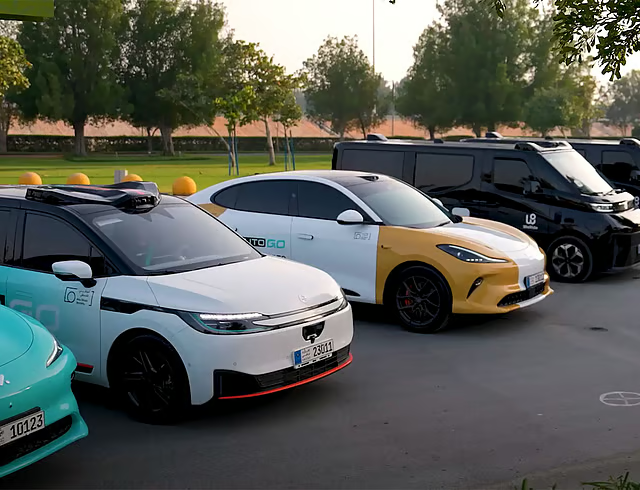
Abu Dhabi has introduced dedicated license plates for autonomous vehicles as part of its plan to expand smart transportation across the emirate. The new system is designed to clearly identify self-driving vehicles used for both commercial services and testing while supporting safe and efficient road operations.
The Integrated Transport Centre, also known as Abu Dhabi Mobility, announced the new license plates under the supervision of the Smart and Autonomous Systems Council. Officials said the initiative reflects Abu Dhabi’s continued investment in advanced mobility technologies and its goal of becoming a leader in smart transportation.
The new license plates are the first of their kind in Abu Dhabi and will be used by autonomous vehicles operating on public roads. Authorities said the plates will make it easier for traffic officials and other road users to recognize vehicles equipped with self-driving technology.
The license plate system includes two separate categories. Vehicles providing commercial autonomous services will receive plates displaying the words “Auto Drive.” Vehicles participating in testing and pilot programs will use plates marked “Test.” This distinction allows authorities to identify the purpose of each autonomous vehicle while it is operating.
Both types of plates share a blue design that helps them stand out from standard vehicle registrations. Officials believe the unique appearance will improve field monitoring and support faster identification during inspections, traffic management, and daily road operations.
The dedicated plates are also linked to the licensing rules and operational requirements for autonomous vehicles. Companies using self-driving technology must meet approved technical and safety standards before receiving authorization to operate on Abu Dhabi’s roads.
Authorities said the system will help ensure that all operators continue to follow the required regulations as autonomous vehicle services expand across the emirate. The licensing framework is expected to improve oversight while supporting the safe introduction of new technologies.
The launch comes as Abu Dhabi continues to increase autonomous vehicle operations through commercial services, testing programs, and pilot projects. The emirate has invested heavily in smart city initiatives that encourage innovation in transportation, digital infrastructure, and sustainable mobility.
Autonomous vehicles are expected to play a larger role in the future of public transport and logistics. By introducing dedicated license plates, Abu Dhabi aims to create a clear regulatory framework that supports innovation while maintaining high safety standards for all road users.
Transportation experts say visible identification systems are an important step in building public confidence in self-driving technology. Special license plates allow emergency services, road authorities, and other drivers to quickly recognize autonomous vehicles and understand their operational status.
The new initiative also supports data collection and regulatory oversight as autonomous technology continues to develop. Officials can more effectively monitor vehicle performance, evaluate pilot programs, and make future policy decisions based on operational experience.
Abu Dhabi has already launched several smart mobility projects aimed at improving transportation efficiency and reducing traffic congestion. The introduction of dedicated autonomous vehicle plates represents another milestone in the emirate’s long-term strategy to modernize its transportation network.
As more companies introduce self-driving services, the new licensing system is expected to provide a consistent approach for managing autonomous vehicles across the emirate. Officials believe the initiative will encourage responsible innovation while ensuring that safety remains a top priority.
With autonomous technology continuing to evolve worldwide, Abu Dhabi’s new license plate program positions the emirate among the regions actively preparing for the future of intelligent transportation. The initiative is expected to support both commercial growth and ongoing testing as self-driving vehicles become a more common part of everyday travel.

